State-of-the-Art Facility
Clients receive care in a boutique setting with thoughtfully designed spaces, wellness amenities, chef-prepared meals, discreet support, and an atmosphere created to support recovery.

There is hope when you or a loved one is struggling with alcohol or drug addiction. At Live Again Detox, we offer comprehensive and personalized residential treatment in Nashville, Tennessee with care tailored to each person’s needs.
Our treatment plans combine medical and clinical support with evidence-based and holistic therapeutic services designed to help clients build a stronger foundation for lasting recovery.
Residential treatment is one level of care for substance use disorders. It provides a highly structured and intensive treatment setting where clients live at the treatment facility for a period of time and receive round-the-clock support from medical, clinical, and addiction professionals.
Residential treatment is also commonly called inpatient rehab. The length of stay can vary based on clinical needs, treatment goals, progress, and the level of structure a person needs before returning to greater independence.
Residential treatment may provide needed stability when the home environment is not supportive of recovery or includes active substance use, conflict, or other major stressors.
People who have tried outpatient treatment or attempted to stop on their own and continue returning to substance use may benefit from a higher level of structure.
Explore AftercareMore intensive treatment may be appropriate when substance use has become difficult to control and is causing significant health, relationship, work, or daily-life consequences.
People with significant anxiety, depression, trauma, PTSD, bipolar disorder, or other behavioral health concerns may benefit from integrated treatment in a structured setting.
Explore Dual Diagnosis CarePeople experiencing serious psychiatric symptoms or concerns about self-harm or harm to others require prompt professional evaluation to determine the safest level of care.
A residential setting creates distance from everyday triggers and routines so clients can focus more fully on stabilization, therapy, and building healthier habits.
When starting residential treatment at Live Again Detox, we perform a comprehensive assessment and evaluation. This allows the care team to understand medical history, substance use, withdrawal risk, mental health symptoms, previous treatment, family circumstances, and recovery goals before developing an individualized treatment plan.
Care begins with an individualized assessment so the treatment team can identify clinical priorities, safety concerns, and the most appropriate services.
Residential treatment provides consistent daily structure with therapy, recovery education, clinical support, wellness activities, meals, and time for rest and reflection.
Clients have access to medical and clinical professionals who can monitor progress, address symptoms, support mental health needs, and adjust treatment as appropriate.
Planning for life after residential treatment begins early so clients can leave with a clearer next step and stronger continuing-care support.
Explore AftercareFor many clients, detox is the first step before deeper residential treatment work begins. The need for detox depends on the substance involved, degree of physical dependence, previous withdrawal experiences, medical history, and current symptoms.
On-site medical detox can provide round-the-clock monitoring, withdrawal management, hydration and nutritional support, symptom relief, and medication support when clinically appropriate.
Explore Medical DetoxAs clients become medically stable and comfortable enough to participate, therapy and recovery-focused conversations may begin during the detox process and expand as treatment progresses.
The source page notes that detox may commonly last about 7 to 14 days, but actual length depends on the substance, severity of dependence, health history, and individual withdrawal course. A medical team should determine when a client is ready to transition fully into residential treatment.
Group therapy sessions can include education, guided discussion, peer support, and opportunities to explore recovery topics in a structured environment. Peer connection can be especially valuable for reducing the isolation that often accompanies addiction.
Hearing from others with similar experiences can help clients feel less isolated and more understood during treatment.
Licensed clinicians can guide difficult conversations, keep groups focused, and help participants process experiences in healthier ways.
Group therapy gives clients opportunities to practice communication, hear new perspectives, and build accountability within a recovery community.
Explore Addiction TreatmentAddiction affects the entire family, not only the person entering treatment. Family therapy can provide a safe setting for loved ones to rebuild trust, improve communication, and understand how addiction has affected family relationships.
Structured sessions give clients and loved ones space to discuss difficult experiences, rebuild trust, and strengthen healthier patterns of communication.
Explore Family TherapyFamily members can learn more about substance use disorders, relapse risk, recovery expectations, and the difference between support and enabling.
Treatment can help families identify healthier boundaries and more sustainable ways to support recovery after discharge.
Residential treatment is not only about stopping substance use. It is also an opportunity to rebuild the routines and practical skills needed to manage work, relationships, personal responsibilities, stress, and daily life in recovery.
Clients can strengthen habits around time management, personal responsibility, healthy routines, and maintaining structure after treatment.
Meditation, journaling, fitness, peer accountability, and other coping strategies can give clients healthier ways to respond to stress and emotional discomfort.
Life-skills development can support a healthier return to employment, career responsibilities, family life, and independent decision-making.
Holistic practices can help clients build routines around movement, mindfulness, nutrition, reflection, and other wellness-focused behaviors.
Practicing recovery skills in a structured environment can help clients feel more prepared to face real-world challenges after discharge.
Life-skills training works best when paired with aftercare, outpatient support, community resources, and ongoing accountability.
Explore AftercareAs clients near the end of residential treatment, the care team works with them to develop a personalized aftercare plan. Continuing care can help maintain progress, manage triggers, and create stronger support as clients return to daily life.
After residential treatment, some clients may transition into intensive outpatient treatment, standard outpatient care, medication follow-up, or sober living depending on their needs.
Explore Outpatient TreatmentClients can develop action plans for managing triggers, stressful situations, cravings, warning signs, and other challenges that may emerge after discharge.
Peer support, mentors, alumni services, support groups, and community resources can help clients stay connected and accountable after formal treatment.
Alumni programming can extend the sense of peer and mentor connection developed during treatment through check-ins, meetings, and ongoing recovery resources.
Explore AftercareOne-on-one sessions with a counselor or therapist help clients address personal struggles, underlying trauma, triggers, and recovery goals.
Explore Treatment OptionsPeer-supported sessions provide opportunities to share experiences, learn coping strategies, build accountability, and strengthen communication.
Treatment may include cognitive behavioral therapy, dialectical behavior therapy, trauma-focused approaches, and other evidence-based modalities based on individual needs.
Explore Trauma TherapyLive Again Detox provides structured residential treatment in Nashville for adults overcoming addiction to alcohol, opioids, stimulants, benzodiazepines, and other substances. Residential treatment offers 24-hour support in a supervised setting that allows clients to step away from many of the triggers and stressors that can sustain active addiction.
Detox can address physical withdrawal, but residential treatment focuses on rebuilding coping skills, emotional stability, daily routines, relationships, and a practical foundation for long-term recovery. Treatment may include individual therapy, group counseling, psychiatric support, medication management when appropriate, relapse-prevention planning, life-skills development, and family services.
Clients receive care in a boutique setting with thoughtfully designed spaces, wellness amenities, chef-prepared meals, discreet support, and an atmosphere created to support recovery.

Comfortable bedrooms include full-sized Tempur-Pedic mattresses and in-room televisions to support rest and stabilization.

A dedicated chef prepares nutritious meals designed to nourish the body and complement treatment.
Gaming consoles, a movie theater room, ping pong, cornhole, shuffleboard, pool, and other activities provide healthy opportunities for recreation and connection.

The program includes master-level clinicians, medical and nursing support, nutrition services, individual therapy, and regular medical consultation.

Family therapy helps loved ones rebuild trust, strengthen relationships, and learn healthier ways to support recovery.
Explore Family Therapy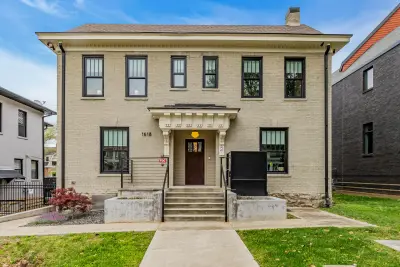
Structured Nashville outings can support healthy engagement, inspiration, connection, and participation in the local community.
Regular individual sessions provide guidance, emotional support, accountability, and opportunities for clinical progress.
Groups are limited to twelve clients to support individualized attention, meaningful relationships, and personalized care.
Aftercare planning includes relapse prevention, continued support, and connections to community recovery resources.
Explore AftercareConnect with an admissions coordinator who can answer questions about residential treatment, timing, availability, and what to expect.
We review substance use, withdrawal risk, medical history, mental health symptoms, previous treatment, and recovery goals.
Our team checks benefits and explains coverage, authorization requirements, and possible out-of-pocket costs.
Verify Your BenefitsIf residential treatment is appropriate, we help coordinate arrival and explain what to bring and how the admission process works.
This page is educational and does not replace an individualized medical or clinical assessment. Residential level-of-care recommendations, detox needs, psychiatric concerns, and medication decisions should be evaluated by qualified healthcare professionals.
If someone is experiencing an overdose, severe withdrawal complications, suicidal thoughts, loss of consciousness, trouble breathing, or an immediate risk to themselves or others, call 911 immediately. Residential rehab is not a substitute for emergency medical or psychiatric care.
Contact Live Again Detox for confidential admissions support, insurance verification, and help determining whether residential treatment may be an appropriate next step.
Residential treatment is a live-in level of care for substance use disorders that provides a highly structured environment, 24-hour support, therapy, recovery education, and individualized treatment planning. Unlike outpatient care, clients remain at the facility throughout treatment.
Residential treatment may be appropriate for people with moderate to severe addiction, repeated relapse, an unstable or unsupportive home environment, significant co-occurring mental health needs, or a need for more structure than outpatient care can provide.
Treatment typically begins with a comprehensive assessment of substance use, medical history, withdrawal risk, mental health symptoms, family circumstances, previous treatment, and recovery goals. The care team then develops an individualized treatment plan.
Many clients may need medically supervised detox before or at the beginning of residential care. Detox length varies by substance, dependence severity, health history, and withdrawal risk. The source page notes that detox may commonly last about 7 to 14 days, but individual timelines vary.
Residential treatment may include individual therapy, group counseling, family therapy, cognitive behavioral therapy, dialectical behavior therapy, trauma-focused approaches, life-skills training, and holistic services.
Group therapy can reduce isolation, build accountability, create connection with others who share similar experiences, and provide opportunities to learn new perspectives and coping strategies in a professionally guided setting.
Family therapy and education can help loved ones understand addiction, rebuild trust, improve communication, establish healthier boundaries, and learn how to support recovery without enabling harmful patterns.
Aftercare planning may include outpatient treatment, counseling, sober living, alumni services, support groups, medication follow-up, and relapse-prevention planning. The goal is to help clients maintain structure and support as they return to daily life.


Tennessee Department of Mental Health and Substance Abuse Services. (2024). Annual overdose report. https://www.tn.gov/behavioral-health/research/data–research–and-planning/data-resources-.html
Centers for Disease Control and Prevention. (2023). Opioid overdose: Understanding the epidemic. https://www.cdc.gov/overdose-prevention/about/understanding-the-opioid-overdose-epidemic.html
Substance Abuse and Mental Health Services Administration. (2023). National survey on drug use and health: Tennessee data summary. https://www.samhsa.gov/data
National Institute on Drug Abuse. (2023). Common comorbidities with substance use disorders. https://nida.nih.gov/research-topics/trends-statistics/infographics/comorbidity-substance-use-other-mental-disorders
U.S. Department of Health & Human Services. (2023). Mental Health Parity and Addiction Equity Act (MHPAEA). https://www.hhs.gov/programs/topic-sites/mental-health-parity/index.html
U.S. Department of Health & Human Services. (2023). 988 Suicide & Crisis Lifeline. https://988lifeline.org/
Get Family Support Now
We understand addiction affects the whole family. Our comprehensive family program helps rebuild trust and restore relationships.
Weekly Family Therapy Sessions
Educational Workshops
Support Groups
Communication Skills Training


Hear directly from those who have walked the path to recovery at Live Again Detox.. Our patients’ stories highlight the compassionate care, effective programs, and life-changing support they’ve experienced. Let their journeys inspire you as you take your first steps toward healing.