



Individualized Aftercare Planning
Continuing-care plans are built around each client’s clinical history, mental health needs, living situation, support system, and recovery goals.

Completing detox or a treatment program is a major step forward, but recovery does not stop at discharge. Addiction aftercare helps bridge the gap between structured treatment and everyday life by providing continued support, accountability, therapy, relapse prevention, and connection to recovery resources.
At Live Again Detox, aftercare planning is individualized around each client’s clinical history, mental health needs, living situation, support system, relapse risk, and long-term recovery goals.
Aftercare is a structured phase of recovery that follows detoxification and intensive treatment. It helps clients apply the skills and strategies learned in treatment to real-world situations while staying connected to clinical support and recovery community resources.
Aftercare is the bridge between formal treatment and a sustainable, long-term recovery routine. It can begin after medical detox, residential treatment, PHP, IOP, or another intensive level of care and may include therapy, peer support, sober living, psychiatric follow-up, medication management, family involvement, and alumni services.
Recovery can become more challenging when clients return to the environments, relationships, stressors, and responsibilities that previously contributed to substance use. A structured aftercare plan helps clients prepare for those situations before they become crises.
Regular contact with therapists, peers, recovery coaches, or support groups can help clients stay focused on goals and identify warning signs early.
Aftercare reinforces coping strategies, trigger awareness, crisis planning, and practical responses to high-risk situations.
Recovery support can reduce isolation and help clients stay connected to peers, mentors, alumni, and local resources.
Work, family, finances, housing, relationships, and mental health needs can shift after treatment. Aftercare provides a structure for adjusting the recovery plan as circumstances change.
The transition out of intensive treatment can bring new challenges. Recognizing these barriers early can help clients build stronger recovery plans and respond before stress or instability escalates.
Returning to familiar environments, people, routines, or emotional stressors can reactivate cravings and old behavior patterns.
Feeling judged, misunderstood, or disconnected can make it harder to ask for help and stay engaged with recovery support.
Transportation, housing, employment, finances, scheduling, and insurance concerns can affect consistency in continuing care.
Anxiety, depression, trauma symptoms, sleep problems, or other co-occurring concerns can increase relapse risk if they are not addressed.
Explore Dual Diagnosis CareIndividual, group, and family therapy can help clients maintain emotional stability, address new challenges, strengthen relationships, and reinforce recovery skills.
Explore Family TherapyClients identify triggers, warning signs, coping strategies, and specific action plans for managing high-risk situations.
Support may focus on employment, finances, time management, independent living, routines, communication, and other practical skills that support long-term stability.
Mindfulness, meditation, exercise, sleep support, breathing strategies, and time management can help clients respond to stress without returning to substance use.
Peer groups, mentors, community resources, and recovery networks can provide accountability, encouragement, and a stronger sense of belonging.
Alumni programs can extend treatment-community connection through check-ins, meetings, sober events, peer support, and continued access to recovery resources.
Aftercare is not a single program that replaces every other level of treatment. It is a continuing-care phase that can connect clients with the right services as their needs change.
Residential care provides 24-hour structure, therapy, recovery education, and support before clients transition into greater independence.
Explore Residential TreatmentPHP provides intensive daytime treatment for medically stable clients who still need substantial structure after residential care or detox.
Explore PHPIOP provides structured treatment several days per week while allowing clients to live at home or in another stable recovery environment.
Explore IOPStandard outpatient treatment can provide ongoing counseling, psychiatric support, medication management, and relapse-prevention services with greater independence.
Explore Outpatient CareAA, NA, SMART Recovery, recovery coaching, alumni groups, and other community resources can provide long-term connection and accountability.
Recovery needs can change over time. A strong aftercare plan should be flexible enough to respond when new stressors, mental health symptoms, housing changes, relationship challenges, or relapse warning signs emerge.
Ongoing contact with therapists, recovery supports, or treatment professionals can help identify concerns early and keep the plan aligned with current needs.
Clients can monitor cravings, stress, mood, sleep, relationships, and recovery routines to recognize changes before they become larger problems.
Trusted loved ones and recovery peers can sometimes notice warning signs or changes that the client may not recognize immediately.
If recovery becomes unstable, the treatment plan can be adjusted to include more intensive outpatient treatment, psychiatric care, sober living, or another level of support.
Explore Outpatient TreatmentContinuing-care plans are built around each client’s clinical history, mental health needs, living situation, support system, and recovery goals.

Therapy, psychiatric follow-up, medication management, and recovery check-ins can be coordinated as part of a longer-term support plan.

Recovery community connections can help clients maintain accountability, reduce isolation, and stay engaged after formal treatment ends.

Family therapy and education can help loved ones understand recovery, improve communication, strengthen boundaries, and support long-term stability.
Explore Family Therapy
Wellness, routines, stress management, nutrition, relationships, and daily responsibilities are all important parts of sustainable recovery.
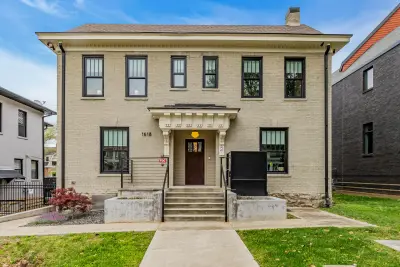
Aftercare connects clients with the resources, services, and recovery community needed to continue moving forward after discharge.
Live Again Detox is located at 1618 17th Ave S, Nashville, TN 37212 on Historic Music Row. Our admissions team can help people throughout Nashville and Middle Tennessee understand aftercare options and connect with the level of continuing support that fits their needs.
This page is educational and does not replace an individualized clinical assessment. Aftercare recommendations should reflect relapse risk, mental health needs, living environment, support system, previous treatment, and the level of structure needed after discharge.
Recovery does not end after treatment. Our team can help you or your loved one build a continuing-care plan that includes the right mix of therapy, outpatient services, peer support, family involvement, and community resources.
Aftercare services provide structured support after detox, residential treatment, PHP, IOP, or another intensive level of care. They help clients apply recovery skills in everyday life, maintain accountability, manage relapse risk, and stay connected to ongoing treatment and community support.
Aftercare may include individual therapy, group counseling, family therapy, psychiatric follow-up, medication management, relapse-prevention work, and step-down outpatient programming.
Peer-support groups can provide community, accountability, shared experience, and a consistent recovery network after formal treatment ends. Clients who prefer alternative models such as SMART Recovery can also be supported.
Recovery coaching can help clients stay accountable, identify practical goals, navigate challenges, and remain connected to recovery resources in the community.
Family therapy and education can help loved ones understand recovery, improve communication, strengthen boundaries, rebuild trust, and support long-term stability.
Relapse-prevention planning helps clients identify triggers, warning signs, high-risk situations, coping strategies, and specific actions to take if recovery begins to feel unstable.
Community support may include AA, NA, SMART Recovery, sober living, recovery coaching, alumni groups, outpatient therapy, psychiatric services, faith-based resources, and other local recovery organizations.
The first step is usually a personalized continuing-care assessment that reviews current recovery stability, living environment, support system, mental health needs, relapse risk, and the level of structure needed after discharge.
There is no single timeline for aftercare. The length and intensity of continuing care should reflect recovery stability, relapse risk, mental health needs, living environment, support system, and progress over time.
Coverage depends on the specific service, plan, network, medical necessity, deductible, and authorization requirements. The admissions team can verify benefits and explain what continuing-care services may be covered.

Dr. Vahid Osman, M.D.
Board-Certified Psychiatrist and Addictionologist
Josh Sprung, L.C.S.W.
Tennessee Department of Mental Health and Substance Abuse Services. (2024). Annual overdose report. https://www.tn.gov/behavioral-health.html
Centers for Disease Control and Prevention. (2023). Opioid overdose: Understanding the epidemic. https://www.cdc.gov/opioids/
Substance Abuse and Mental Health Services Administration. (2023). National survey on drug use and health: Tennessee data summary. https://www.samhsa.gov/data
National Institute on Drug Abuse. (2023). Common comorbidities with substance use disorders. https://nida.nih.gov/publications
U.S. Department of Health & Human Services. (2023). Mental Health Parity and Addiction Equity Act (MHPAEA). https://www.hhs.gov/programs/topic-sites/mental-health-parity/index.html
U.S. Department of Health & Human Services. (2023). 988 Suicide & Crisis Lifeline. https://988lifeline.org/

Live Again Detox is licensed by the Tennessee Department of Mental Health & Substance Abuse Services, ensuring compliance with state regulations for safe, ethical, and effective addiction treatment.
The Gold Seal of Approval® signifies that Live Again Detox meets or exceeds rigorous national standards for patient care, safety, and quality.

Live Again Detox is certified by LegitScript, confirming compliance with laws and standards for ethical marketing and patient transparency in addiction treatment.
Ensures patient information at Live Again Detox is fully protected under federal privacy regulations.
Demonstrates Live Again Detox’s commitment to ethical business practices and community trust.

Live Again Detox is an active member of the local Chamber of Commerce, reflecting its commitment to community growth and support.

Membership in the American Society of Addiction Medicine reflects Live Again Detox’s dedication to science-based treatment and advancing standards in addiction care.

A verified listing on Psychology Today confirms that Live Again Detox provides trustworthy and transparent treatment services.
Get Family Support Now
We understand addiction affects the whole family. Our comprehensive family program helps rebuild trust and restore relationships.
Weekly Family Therapy Sessions
Educational Workshops
Support Groups
Communication Skills Training


Hear directly from those who have walked the path to recovery at Live Again Detox.. Our patients’ stories highlight the compassionate care, effective programs, and life-changing support they’ve experienced. Let their journeys inspire you as you take your first steps toward healing.


