Individualized Treatment Planning
DBT is tailored to each client’s substance use history, mental health needs, triggers, emotional patterns, previous treatment, and recovery goals.

Recovery can become difficult in quiet moments when stress builds, emotions feel overwhelming, or a craving appears unexpectedly. Knowing what you should do is not always enough when the emotional intensity is high.
At Live Again Detox in Nashville, Dialectical Behavior Therapy gives clients practical skills for slowing things down, understanding what is happening internally, and responding differently in real time.
DBT is not only about insight. It teaches concrete skills for managing distress, regulating emotions, staying present, communicating effectively, and making choices that support recovery instead of impulsive relief.
Dialectical Behavior Therapy is an evidence-based treatment originally developed for people who experience intense emotions, impulsive behaviors, and difficulty maintaining stable relationships. It has since been adapted for substance use treatment and other behavioral health concerns.
The foundation of DBT balances two ideas at the same time: acceptance and change. Clients learn to acknowledge their current experience without judgment while also building new skills that support healthier decisions and a more stable life.
DBT helps clients slow the automatic sequence between a difficult emotion, a craving, and an impulsive response.
Clients learn how to get through intense moments without immediately escaping through alcohol, drugs, or other harmful behavior.
DBT teaches clients to identify emotions, understand what influences them, and respond with greater stability and intention.
Practicing DBT skills helps clients make choices that align with long-term recovery goals rather than short-term emotional relief.
Mindfulness helps clients notice thoughts, emotions, urges, and physical sensations without reacting immediately or judging the experience.
Distress-tolerance skills help clients survive high-intensity moments safely without making the situation worse through impulsive behavior.
Clients learn to recognize emotional patterns, reduce vulnerability to intense reactions, and choose responses that support stability.
DBT teaches practical communication, boundary-setting, assertiveness, and relationship skills that can reduce conflict and improve support.
DBT is designed for everyday situations that can create relapse risk: driving home after work and thinking about drinking, sitting alone while anxiety builds, or being in a conversation that begins to escalate.
Start by identifying thoughts, emotions, urges, and physical sensations before they automatically turn into action.
Mindfulness creates enough space to observe the moment rather than immediately reacting to it.
Depending on the situation, the next step may involve calming the body, changing the environment, tolerating distress, or communicating more effectively.
DBT shifts decision-making from impulse toward a deliberate response that supports recovery goals.
Changes in sleep, mood, routine, stress, relationships, or cravings can be identified before they become a crisis.
Clients learn how thoughts, emotions, people, places, routines, and physical vulnerability affect relapse risk.
DBT provides tools for reducing emotional intensity and stabilizing behavior before stress becomes overwhelming.
Sleep, nutrition, movement, treatment participation, and consistent recovery habits can reduce vulnerability to triggers.
Early recovery can make emotions feel stronger because substances are no longer being used to numb, suppress, or escape discomfort. DBT helps clients understand emotions without being controlled by them.
Identifying what you are feeling can make the experience more manageable and reduce the sense that everything is happening at once.
Clients learn to connect emotional reactions to specific events, thoughts, memories, or physical states.
Better sleep, nutrition, structure, stress management, and consistent treatment can make extreme reactions less likely.
The goal is not to eliminate emotions but to build enough stability that emotions no longer automatically dictate behavior.
DBT can help clients who use alcohol or drugs in response to stress, impulsivity, cravings, emotional pain, or interpersonal conflict.
DBT skills can support emotional regulation and distress tolerance when anxiety or depression increases relapse risk.
Explore Depression TreatmentTrauma can create intense emotions, hyperarousal, avoidance, and difficulty feeling safe. DBT skills can support stabilization before and alongside trauma-focused therapy.
Explore Trauma TherapyClients who experience strong emotional highs and lows may benefit from structured skills for emotional regulation and distress tolerance.
Explore Bipolar TreatmentDBT can help people who understand the consequences of their behavior but struggle to pause long enough to make a different choice in the moment.
People who have completed treatment before but struggle when returning to daily life may benefit from practical skills designed for real-world triggers.
Explore AftercareOnce a client is medically stable enough to participate, simple grounding, mindfulness, and distress-tolerance skills may be introduced during withdrawal stabilization.
Explore Medical DetoxResidential care provides more time and structure for practicing DBT skills individually, in groups, and during everyday interactions within treatment.
Explore Residential TreatmentPHP provides intensive daytime programming where DBT skills can be reinforced through therapy, group work, and structured real-world application.
Explore PHPIOP allows clients to practice DBT skills in work, school, family, and community settings while staying connected to structured therapy several days per week.
Explore IOPOutpatient treatment supports continued DBT skill building with greater independence and can focus on new challenges that emerge in daily life.
Explore Outpatient CareAftercare helps clients continue using DBT skills for cravings, relationships, emotional regulation, stress, and long-term relapse prevention.
Explore AftercareAlcohol use can become tied to routines, social settings, fatigue, conflict, and end-of-day stress. DBT helps clients notice the urge early and choose a response that supports recovery.
Explore Alcohol RehabDrug use may involve impulsivity, environmental triggers, cravings, and intense emotions. DBT slows the decision-making process and gives clients a structured plan for what to do next.
Explore Drug RehabTreatment begins with an assessment of substance use, mental health symptoms, emotional patterns, relapse history, medical needs, and recovery goals.
DBT is integrated according to the client’s needs, level of care, co-occurring conditions, and specific patterns that increase relapse risk.
Clients practice mindfulness, distress tolerance, emotional regulation, and communication skills in structured treatment settings.
As clients progress, DBT skills are applied to work, family, relationships, cravings, stress, and everyday decision-making.
DBT is tailored to each client’s substance use history, mental health needs, triggers, emotional patterns, previous treatment, and recovery goals.

DBT is integrated with medical, psychiatric, trauma-informed, family, and addiction services when clinically appropriate.

Smaller groups create more opportunities for feedback, accountability, skills practice, and meaningful peer connection.

Treatment emphasizes practical responses to cravings, conflict, emotional intensity, stress, and other situations clients will face outside treatment.

Nutrition, movement, mindfulness, sleep support, and stress-management strategies can complement DBT and addiction treatment.
Aftercare helps clients continue applying DBT skills to cravings, emotions, relationships, and relapse prevention after intensive treatment ends.
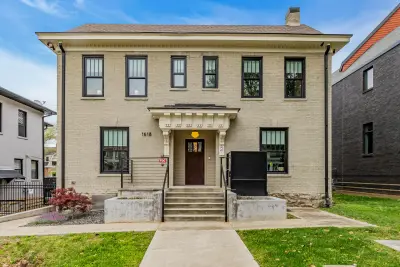
Explore AftercareLive Again Detox is located at 1618 17th Ave S, Nashville, TN 37212 on Historic Music Row. Our admissions team can help people throughout Nashville and Middle Tennessee understand available DBT, addiction, dual-diagnosis, and continuing-care options.
Connect with an admissions coordinator who can answer questions about DBT, addiction treatment, dual-diagnosis care, and next steps.
We review substance use, mental health symptoms, emotional patterns, relapse history, medical needs, and recovery goals.
Our team checks benefits and explains coverage, authorization requirements, and possible out-of-pocket costs.
Verify Your BenefitsIf treatment is appropriate, we coordinate intake and explain what to expect from the recommended level of care.
This page is educational and does not replace an individualized clinical assessment. DBT recommendations, mental health diagnosis, medication decisions, withdrawal management, and level-of-care placement should be based on evaluation by qualified healthcare professionals.
Recovery is not about perfection. It is about learning how to respond differently, one moment at a time. Our admissions team can help you understand treatment options, verify insurance, and determine which level of care may be appropriate.
Dialectical Behavior Therapy is an evidence-based psychotherapy that combines acceptance and change strategies. It teaches practical skills for mindfulness, distress tolerance, emotional regulation, and interpersonal effectiveness.
DBT helps clients recognize triggers, tolerate difficult emotions, pause before reacting, and choose behaviors that support long-term recovery instead of short-term relief.
Yes. DBT can help clients identify warning signs earlier, regulate stress, manage cravings, and respond to high-risk situations before they escalate.
DBT may be especially helpful for people who struggle with emotional intensity, impulsive behavior, repeated relapse, anxiety, depression, trauma, or difficulty maintaining stable relationships.
Yes. DBT can be used as part of dual-diagnosis treatment for people managing addiction alongside anxiety, depression, trauma-related symptoms, mood instability, or other behavioral health concerns.
Core DBT skills include mindfulness, distress tolerance, emotional regulation, and interpersonal effectiveness.
DBT can be integrated into residential treatment, PHP, IOP, standard outpatient care, and aftercare. During detox, basic grounding and distress-tolerance concepts may be introduced once a client is medically stable enough to participate.
Yes. DBT can support treatment for alcohol, opioids, stimulants, benzodiazepines, prescription drugs, and polysubstance use when clinically appropriate.
Many insurance plans include benefits for medically necessary behavioral health treatment that may include DBT. Coverage varies by plan, network, deductible, authorization requirements, and level of care.
Call 629-465-4224, contact admissions, or complete the insurance verification form. The team can review your substance use, mental health needs, current stability, and treatment goals to help determine the appropriate next step.


Tennessee Department of Mental Health and Substance Abuse Services. (2024). Annual overdose report. https://www.tn.gov/behavioral-health.html
Centers for Disease Control and Prevention. (2023). Opioid overdose: Understanding the epidemic. https://www.cdc.gov/opioids/
Substance Abuse and Mental Health Services Administration. (2023). National survey on drug use and health: Tennessee data summary. https://www.samhsa.gov/data
National Institute on Drug Abuse. (2023). Common comorbidities with substance use disorders. https://nida.nih.gov/publications
U.S. Department of Health & Human Services. (2023). Mental Health Parity and Addiction Equity Act (MHPAEA). https://www.hhs.gov/programs/topic-sites/mental-health-parity/index.html
U.S. Department of Health & Human Services. (2023). 988 Suicide & Crisis Lifeline. https://988lifeline.org/
Get Family Support Now
We understand addiction affects the whole family. Our comprehensive family program helps rebuild trust and restore relationships.
Weekly Family Therapy Sessions
Educational Workshops
Support Groups
Communication Skills Training



Hear directly from those who have walked the path to recovery. Our patients’ stories highlight the compassionate care, effective programs, and life-changing support they’ve experienced. Let their journeys inspire you as you take your first steps toward healing.