State-of-the-Art Facility
Our boutique setting includes thoughtfully designed spaces, wellness-focused amenities, chef-prepared meals, discreet support, and an atmosphere designed for recovery.

Prescription drug addiction can develop from medications used for pain, anxiety, sleep, seizures, or attention. What begins as legitimate use can sometimes progress into tolerance, physical dependence, withdrawal, compulsive use, or addiction.
At Live Again Detox, our Nashville program provides medically supported detox, residential treatment, therapy, dual-diagnosis care, family involvement, and continuing-care planning for people struggling with prescription opioids, benzodiazepines, stimulants, sedatives, and other medications.
Treatment should account for the medication involved, dosage, duration of use, withdrawal risk, mental health symptoms, co-occurring substance use, medical history, and the circumstances that led to misuse or dependence.

Medical supervision supports stabilization, withdrawal management, symptom monitoring, and a safer transition into continued treatment.
Explore Drug Detox
A structured environment allows clients to step away from outside triggers and focus fully on stabilization, therapy, and recovery.
Explore Residential Treatment
Integrated treatment addresses prescription drug addiction alongside anxiety, depression, trauma, insomnia, ADHD, or other mental health concerns.
Explore Dual Diagnosis CarePhysical dependence and addiction are related but not identical. A person can become physically dependent on a medication even when taking it as prescribed. Addiction involves a broader pattern of impaired control, cravings, continued use despite harm, and disruption in daily life.
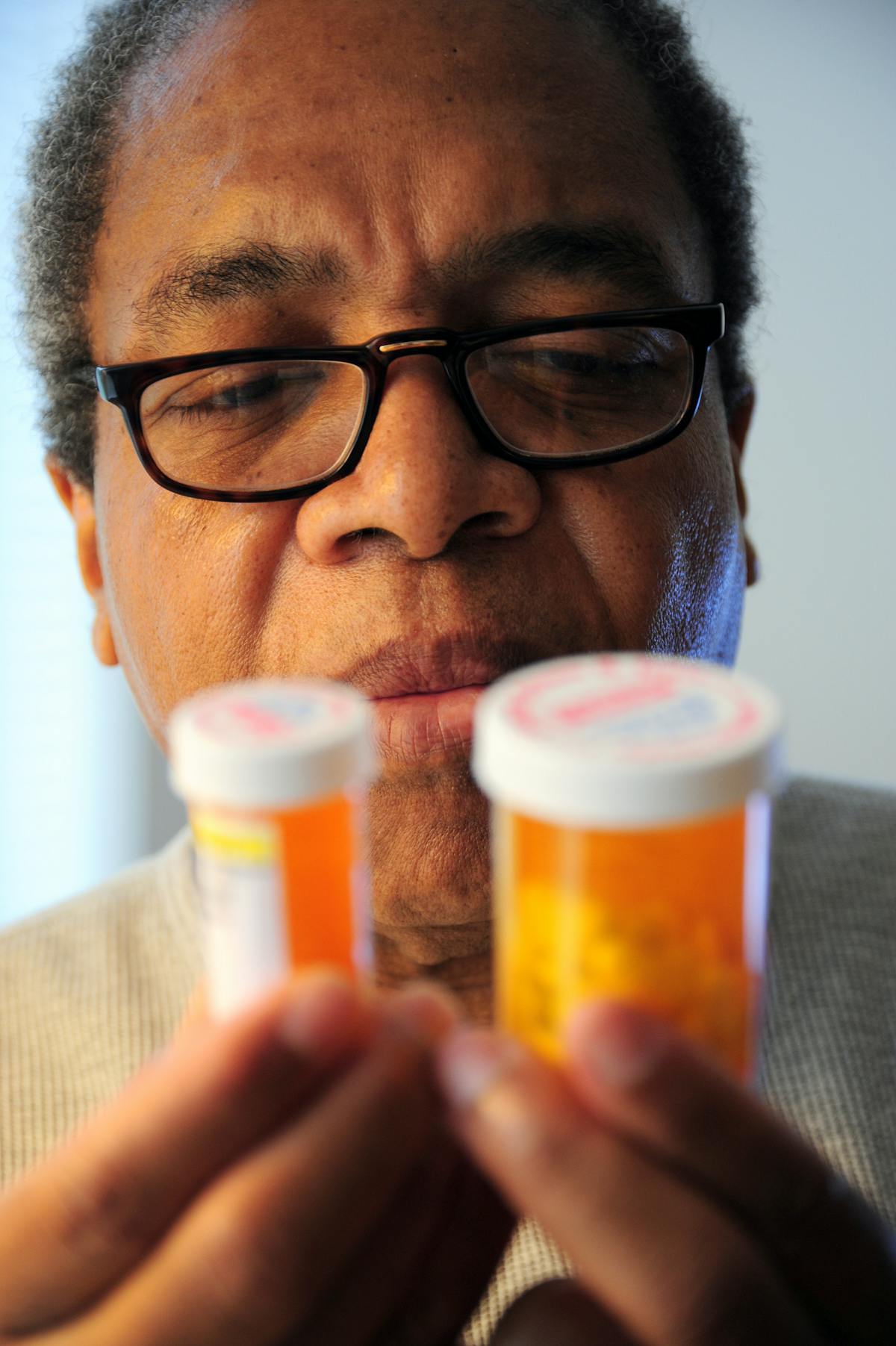
Needing higher doses for the same effect, experiencing withdrawal symptoms when reducing use, using medication to feel normal, or fearing a missed dose can suggest physical dependence.
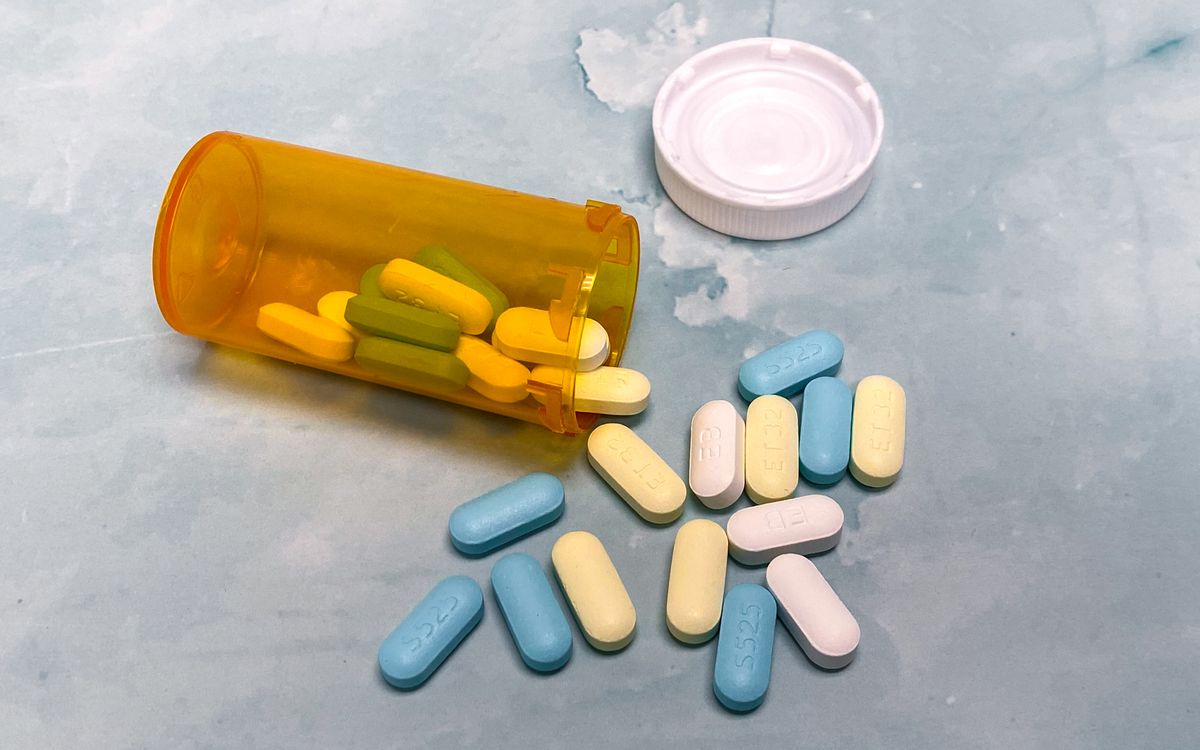
Taking medication differently than prescribed, using someone else’s prescription, doctor shopping, hiding use, compulsive use, or continuing despite health, work, or relationship problems may indicate addiction.
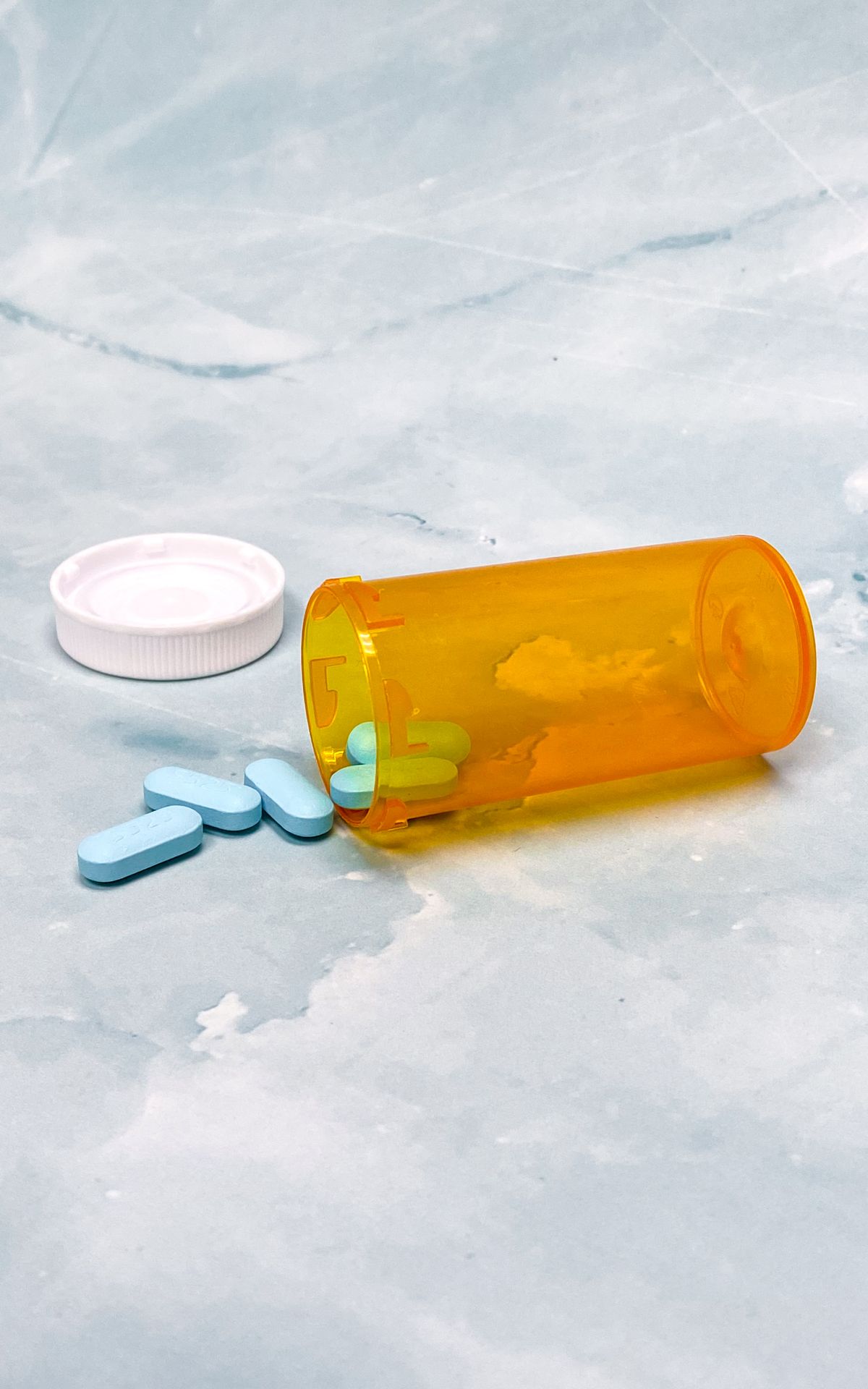
Xanax, Valium, Klonopin, and Ativan are prescribed for anxiety, panic, insomnia, or seizures. Dependence can develop even when taken as prescribed.
Explore Benzo Detox
Oxycodone, hydrocodone, morphine, fentanyl, and codeine are prescribed for pain and can cause tolerance, cravings, physical dependence, and withdrawal.
Explore Opioid Detox
Adderall, Ritalin, Concerta, and Focalin may be prescribed for ADHD or narcolepsy. Misuse can contribute to insomnia, mood changes, paranoia, and cardiovascular problems.
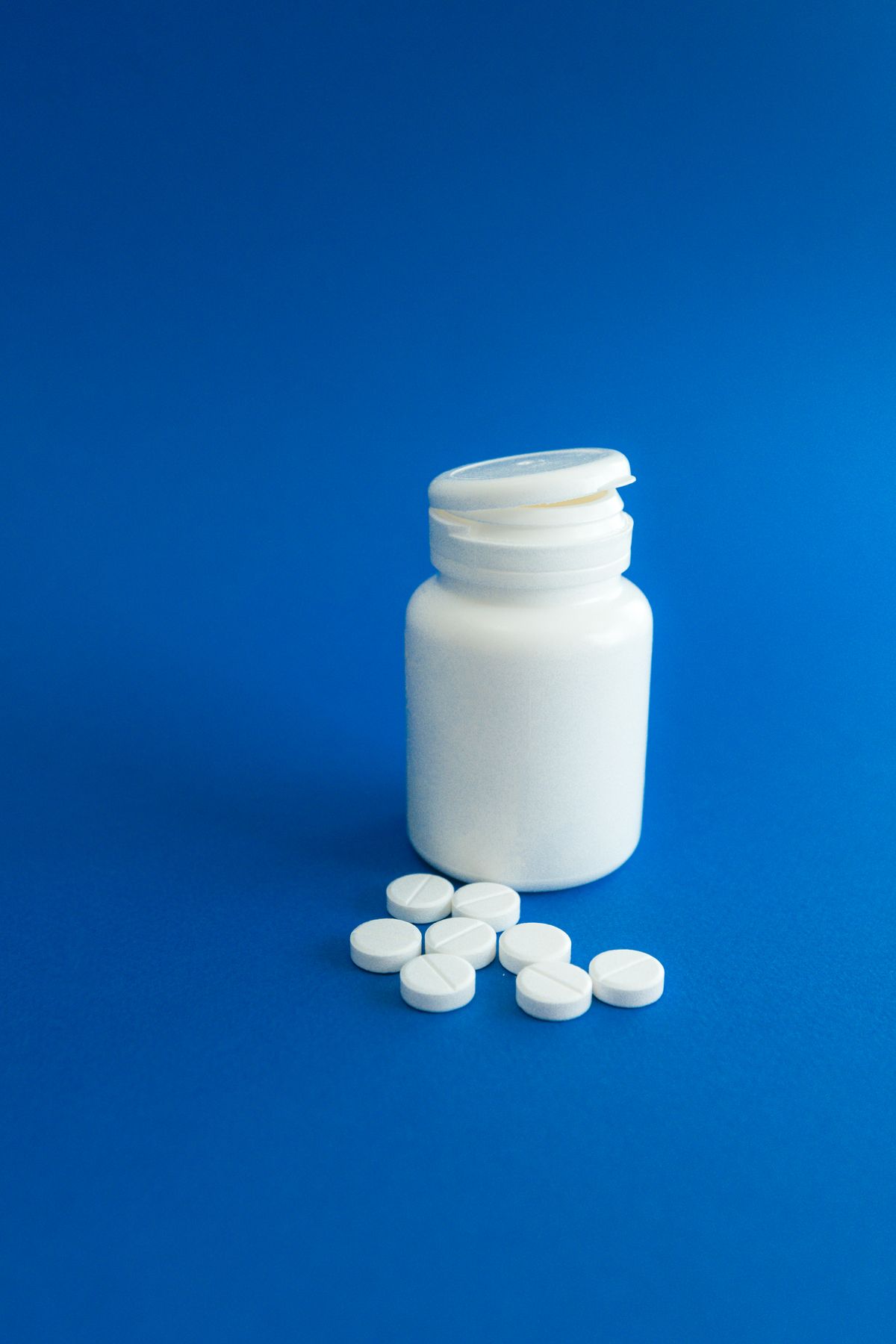
Ambien, Lunesta, and Sonata are generally intended for short-term insomnia treatment. Dependence may develop when use continues longer or at higher doses than prescribed.

Some sedative medications can cause dangerous withdrawal, respiratory depression, and overdose, especially when combined with alcohol, opioids, or other depressants.
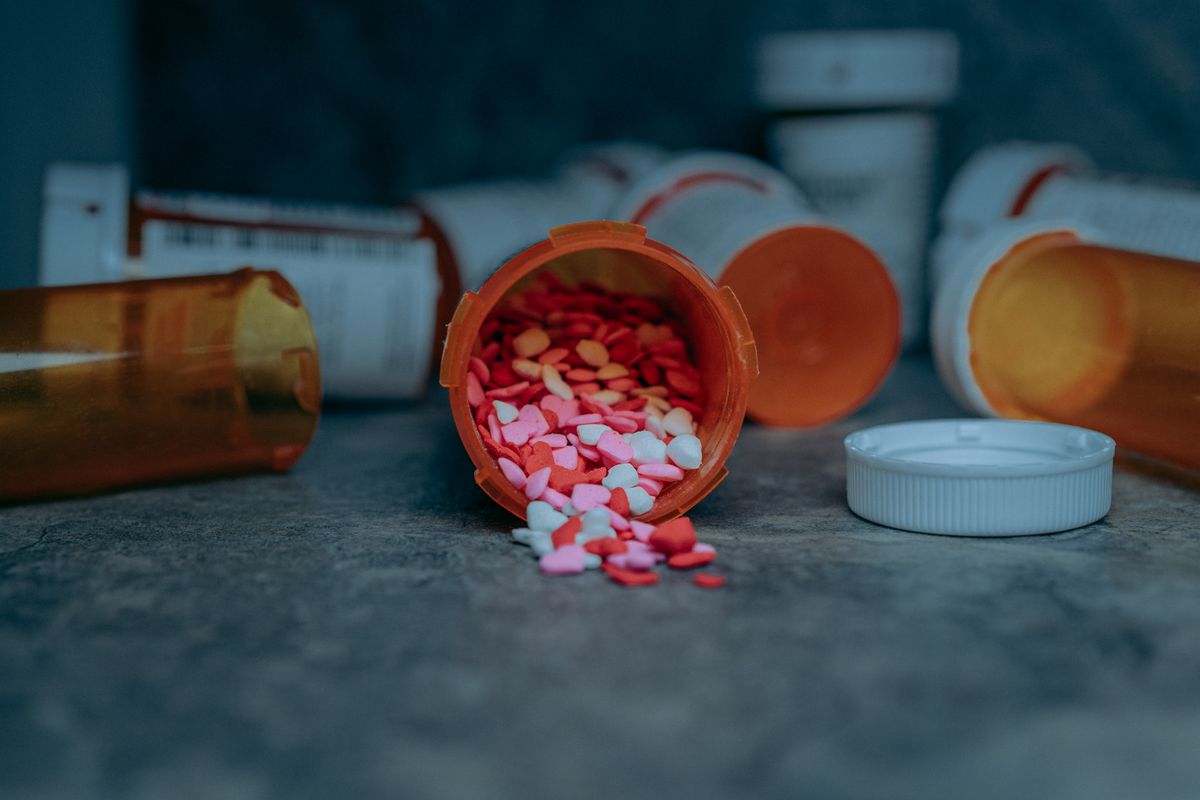
Soma, Flexeril, and related medications can be misused and may become more dangerous when combined with alcohol, opioids, benzodiazepines, or other sedatives.
The medication involved affects withdrawal risk, treatment planning, and whether medical detox may be appropriate.
Oxycodone, hydrocodone, morphine, codeine, and prescription fentanyl can cause tolerance and physical dependence. Repeated misuse can also increase overdose risk, particularly when opioids are combined with alcohol, benzodiazepines, or other sedating substances.
Opioid Detox in NashvilleAlprazolam (Xanax), clonazepam (Klonopin), diazepam (Valium), and lorazepam (Ativan) can cause physical dependence. Abrupt discontinuation after regular use can be medically dangerous and should not be attempted without appropriate medical guidance.
Benzo Detox in NashvilleAdderall, Ritalin, Concerta, and similar medications may be misused for energy, focus, studying, work performance, or appetite suppression. Heavy or prolonged misuse can contribute to sleep disruption, anxiety, mood changes, and compulsive use.
Medications used for insomnia or sedation can become difficult to stop after prolonged or escalating use. Treatment planning should account for the specific medication, dose, duration, other substances, and co-occurring concerns.
Withdrawal risk varies significantly by medication. Some prescription drugs can be uncomfortable to stop, while others can be medically dangerous if reduced too quickly.

Medical detox can include symptom monitoring, hydration, supportive medications, vital-sign monitoring, emotional support, and planning for continued treatment.
Explore Drug Detox
Benzodiazepines and barbiturates may require gradual dose reduction, while prescription opioid withdrawal may involve medications for opioid use disorder when clinically appropriate.
Withdrawal from benzodiazepines, barbiturates, and some other medications can cause seizures, severe confusion, hallucinations, or other emergencies. Seek medical guidance before reducing or discontinuing regular use.
The right level of care depends on medical needs, withdrawal risk, psychiatric symptoms, substance use history, home environment, recovery supports, and progress in treatment.

Residential rehab provides a structured environment with 24/7 support, therapy, recovery education, medication management when needed, relapse prevention, and separation from outside triggers.
Explore Residential Treatment
Outpatient care can provide therapy and recovery support while allowing medically stable clients to continue living at home and managing work, school, or family responsibilities.
Explore Outpatient TreatmentRecovery usually requires more than stopping the medication. Treatment should address the behavioral, emotional, relational, and mental health factors connected to continued use.

For opioid-related prescription drug addiction, medications may be used when clinically appropriate to reduce cravings, manage withdrawal, and support recovery.

Trauma-informed care helps clients address unresolved experiences in a safe setting while developing healthier coping strategies.
Explore Trauma Therapy
Integrated care can address addiction alongside anxiety, depression, PTSD, bipolar disorder, insomnia, ADHD, and other co-occurring conditions.
Explore Dual Diagnosis Care
Family sessions can repair relationships, rebuild trust, establish healthier boundaries, and create stronger support systems.
Explore Family Therapy
Peer support can provide accountability, community, shared experience, and a framework for maintaining recovery beyond formal treatment.

Mindfulness, nutrition, movement, creative activities, and stress-management practices can complement clinical treatment and support whole-person recovery.
Detox addresses physical stabilization, but it does not resolve the reasons medication misuse began or continued. Without ongoing treatment, pain, anxiety, insomnia, trauma symptoms, work stress, or emotional distress can continue to trigger return to use.
Rehab gives clients time to identify those patterns, build coping skills, address mental health needs, strengthen relationships, and prepare for continued care.

Continued individual, group, trauma, or family therapy can reinforce coping skills and help address emerging challenges.

PHP, IOP, outpatient care, medication follow-up, or sober living can provide continued structure after more intensive treatment.
Explore Outpatient Care
Support groups, alumni services, peer recovery connections, and community resources can reduce isolation and strengthen accountability.
Explore AftercareOur boutique setting includes thoughtfully designed spaces, wellness-focused amenities, chef-prepared meals, discreet support, and an atmosphere designed for recovery.

Full-size Tempur-Pedic mattresses and calming spaces support rest, stabilization, and physical recovery.

Treatment plans reflect medication history, health needs, mental health symptoms, family circumstances, and long-term recovery goals.

A smaller treatment setting and regular individual counseling support focused attention, accountability, and meaningful clinical progress.

Fresh meals support nutrition and physical recovery during detox and residential treatment.

Admissions can help with treatment questions, insurance verification, scheduling, transportation coordination, and next steps.
Contact AdmissionsPrescription drug addiction can affect the entire family. Family services can help loved ones understand dependence and addiction, rebuild trust, improve communication, and support recovery without enabling unsafe medication use.

Structured sessions create space for honest communication, healing, accountability, and healthier boundaries.
Explore Family Therapy
Families can learn about prescription drug dependence, withdrawal risks, relapse, treatment, medication safety, and long-term recovery.

Loved ones practice healthier communication and learn how to provide support without reinforcing unsafe medication use.
Live Again Detox is located at 1618 17th Ave S, Nashville, TN 37212 on Historic Music Row. Our Nashville program serves adults from Davidson County and communities throughout Middle Tennessee who need help with prescription medication dependence, withdrawal, or addiction.
Admissions can help determine whether medical detox, residential treatment, outpatient care, or another level of support is appropriate based on current medication use, withdrawal history, medical needs, mental health symptoms, and recovery stability.
Starting treatment begins with a confidential conversation. Our admissions team can help you understand the appropriate next step, review insurance benefits, and coordinate admission when treatment is appropriate.
Connect with an admissions coordinator and explain what is happening.
We review medication use, withdrawal history, medical needs, mental health symptoms, and recovery goals.
Our team checks benefits and explains coverage, authorization requirements, and potential out-of-pocket costs.
Verify Your BenefitsIf treatment is appropriate, we help coordinate intake and explain what to bring and what to expect.
Never reduce or discontinue prescription medication without appropriate medical guidance. If you are experiencing overdose, seizures, severe confusion, hallucinations, loss of consciousness, trouble breathing, or another immediate emergency, call 911.
Confidential help is available. Contact Live Again Detox to discuss withdrawal concerns, treatment options, insurance, and the next step toward recovery.
Prescription drug rehab is structured treatment for dependence or addiction involving medications such as opioids, benzodiazepines, stimulants, sleep medications, sedatives, or muscle relaxants. Care may include detox, therapy, medical support, dual-diagnosis treatment, family services, relapse prevention, and aftercare planning.
Commonly misused medications include prescription opioids, benzodiazepines, stimulants, sleep medications, barbiturates, sedatives, and some muscle relaxants.
Some prescription drugs create physical dependence, withdrawal symptoms, cravings, and medical risks. Benzodiazepines, barbiturates, and certain sedatives can be especially dangerous to stop abruptly.
Residential treatment provides structured care in a live-in setting, while outpatient care allows medically stable clients to receive scheduled treatment while living at home. Placement depends on medical needs, withdrawal risk, psychiatric symptoms, and recovery stability.
Medical professionals assess the medication involved, monitor withdrawal symptoms, support safety and comfort, and stabilize the client before continued treatment. Some medications may require gradual dose reduction.
Treatment may include individual counseling, group therapy, trauma-informed care, dual-diagnosis treatment, family therapy, medication support when appropriate, peer support, and relapse-prevention planning.
Yes. Dual-diagnosis care can address prescription drug addiction alongside anxiety, depression, PTSD, bipolar disorder, insomnia, ADHD, and other mental health concerns.
Aftercare helps clients maintain progress through continued therapy, outpatient care, medication follow-up, support groups, sober living when appropriate, alumni services, and relapse-prevention planning.
Many commercial insurance plans provide benefits for detox and addiction treatment, but coverage varies by carrier, plan, network status, deductible, medical necessity, and authorization requirements. Benefits should be verified before admission.
Call 629-465-4224, use the confidential contact form, or complete the online insurance verification. Admissions can review treatment needs, answer questions, verify benefits, and coordinate intake when appropriate.

Claim: Prescription drug misuse involves taking medication differently than prescribed, using someone else’s prescription, or taking it for the high; opioids, benzodiazepines, and stimulants are most commonly misused.
Centers for Disease Control and Prevention. (2024). Prescription drug misuse: Data and statistics. U.S. Department of Health & Human Services. https://www.cdc.gov/overdose-prevention/data-research/facts-stats/index.html
National Institute on Drug Abuse. (2023). Prescription drug misuse. National Institutes of Health. https://nida.nih.gov/publications/research-reports/prescription-drugs
Claim: Symptoms include drowsiness, confusion, mood swings, impaired judgment, doctor shopping, and withdrawal symptoms when not using.
Mayo Clinic. (2024). Prescription drug abuse: Symptoms and causes. Mayo Foundation for Medical Education and Research. https://www.mayoclinic.org/diseases-conditions/prescription-drug-abuse/symptoms-causes/syc-20376813
American Psychiatric Association. (2022). Substance use disorders. In Diagnostic and statistical manual of mental disorders (5th ed., text rev.). Washington, DC: Author.
Claim: Withdrawal from opioids, benzodiazepines, or stimulants can cause dangerous symptoms including seizures, anxiety, depression, and strong cravings; medical detox is often necessary.
Substance Abuse and Mental Health Services Administration. (2024). Treatment for prescription drug use disorder. U.S. Department of Health & Human Services. https://www.samhsa.gov/substance-use/treatment/options
Mayo Clinic. (2024). Prescription drug abuse: Symptoms and causes. Mayo Foundation for Medical Education and Research. https://www.mayoclinic.org/diseases-conditions/prescription-drug-abuse/symptoms-causes/syc-20376813
Claim: Evidence-based care includes MAT (methadone, buprenorphine, naltrexone), behavioral therapies like CBT, and treatment for co-occurring disorders.
American Society of Addiction Medicine. (2020). The ASAM criteria: Treatment criteria for addictive, substance-related, and co-occurring conditions (4th ed.). Rockville, MD: Author.
National Institute on Drug Abuse. (2020). Principles of drug addiction treatment: A research-based guide (3rd ed.). National Institutes of Health. https://nida.nih.gov/publications/principles-drug-addiction-treatment-research-based-guide-third-edition
Claim: Long-term recovery requires ongoing therapy, relapse prevention, and community/family support to reduce relapse risks and improve outcomes.
National Institute on Drug Abuse. (2020). Principles of drug addiction treatment: A research-based guide (3rd ed.). National Institutes of Health. https://nida.nih.gov/publications/principles-drug-addiction-treatment-research-based-guide-third-edition
American Society of Addiction Medicine. (2020). The ASAM criteria: Treatment criteria for addictive, substance-related, and co-occurring conditions (4th ed.). Rockville, MD: Author.
Get Family Support Now
We understand addiction affects the whole family. Our comprehensive family program helps rebuild trust and restore relationships.
Weekly Family Therapy Sessions
Educational Workshops
Support Groups
Communication Skills Training

Hear directly from those who have walked the path to recovery at Live Again Detox.. Our patients’ stories highlight the compassionate care, effective programs, and life-changing support they’ve experienced. Let their journeys inspire you as you take your first steps toward healing.