State-of-the-Art Facility
Clients receive care in a high-end boutique setting with thoughtfully designed rooms, personalized wellness amenities, chef-crafted meals, discreet support, and an atmosphere designed for recovery.

Heroin addiction can create physical dependence, severe cravings, withdrawal, overdose risk, and a cycle of repeated use that becomes increasingly difficult to interrupt without structured support. Heroin rehab in Nashville can help address both the immediate effects of opioid dependence and the behavioral, emotional, and environmental factors that contribute to continued use.
At Live Again Detox on Music Row, treatment may include medically supervised withdrawal support, residential care, medications for opioid use disorder when clinically appropriate, evidence-based therapy, family involvement, relapse prevention, and continuing-care planning.
Heroin is an opioid derived from morphine. Repeated use can reinforce the brain’s reward pathways while also producing tolerance and physical dependence. As dependence develops, a person may begin using heroin not only for its effects but also to prevent withdrawal and intense cravings.
Over time, heroin use can become closely tied to stress, routines, relationships, trauma, mental health symptoms, and environmental triggers. Professional treatment addresses more than withdrawal by helping clients understand these patterns and build safer, more sustainable recovery skills.
When heroin use stops, the body may respond with painful withdrawal symptoms, including nausea, muscle aches, anxiety, insomnia, sweating, and intense cravings.
People may need larger or more frequent doses over time, increasing the risk of overdose, medical complications, and accidental exposure to fentanyl.
Heroin addiction can strain relationships, interfere with responsibilities, damage physical and mental health, and create a cycle that feels impossible to break without help.
Detox and rehab are connected, but they serve different purposes. Heroin detox focuses on withdrawal management and medical stabilization. Heroin rehab continues treatment by addressing cravings, relapse risk, co-occurring mental health symptoms, coping skills, relationships, routines, and the behaviors that can contribute to ongoing opioid use.
Medical monitoring, symptom management, and medication support when appropriate can help a person move through withdrawal and prepare for continued treatment.
Explore Opioid DetoxStructured treatment continues beyond stabilization with therapy, psychiatric support, medication management when appropriate, relapse prevention, family services, and discharge planning.
Explore Residential TreatmentDetox is often the first and most physically challenging stage of heroin addiction treatment. At Live Again Detox, withdrawal management includes 24/7 medical supervision, continuous monitoring of physical and emotional health, supportive care, and medications for opioid use disorder when clinically appropriate.
Medical oversight can help reduce discomfort, identify complications, and lower the likelihood that someone will return to heroin simply to stop withdrawal symptoms.
Withdrawal may include muscle aches and body pain, nausea, vomiting, diarrhea, sweating, chills, restlessness, anxiety, irritability, depression, insomnia, disrupted sleep, and strong opioid cravings.
Explore Opioid DetoxMedications for opioid use disorder (MOUD), sometimes called medication-assisted treatment (MAT), may include methadone, buprenorphine, or naltrexone alongside counseling and behavioral care. When clinically appropriate, these medications can reduce withdrawal symptoms, stabilize brain chemistry, decrease cravings, and support continued engagement in treatment.
If someone is unresponsive, breathing slowly or not breathing, has blue or gray lips, or may have overdosed, call 911 immediately. Administer naloxone when available and follow emergency instructions.
Residential heroin rehab provides a structured environment where clients can focus on recovery without the same level of access to heroin, daily triggers, or outside pressures. Around-the-clock support, scheduled therapy, medical and psychiatric care, and recovery-focused routines can help create stability during an especially vulnerable stage of treatment.
Residential care may include 24/7 medical and therapeutic support, individual and group therapy, structured daily routines, medication support when appropriate, dual-diagnosis treatment, and relapse-prevention planning.
Explore Residential TreatmentA drug-free residential setting reduces immediate access to heroin and provides accountability, connection, and consistent therapeutic support. Clients can begin addressing addiction without the distractions and pressures of daily life.
After residential treatment, many people benefit from a step-down plan that maintains structure while allowing a gradual return to work, family responsibilities, and daily life. Depending on clinical needs, continuing care may include outpatient therapy, medication management, psychiatric support, peer recovery services, and community-based treatment.
Clients attend individual counseling, group therapy, recovery education, and relapse-prevention sessions on a structured schedule.
Medication management, psychiatric care, and clinical monitoring may continue as clients step down from a higher level of treatment.
Outpatient care allows clients to practice recovery skills in daily life while remaining connected to professional treatment and accountability.
Explore Outpatient TreatmentBreaking free from heroin addiction alone can be extremely difficult. Repeated opioid use changes the brain and creates physical dependence, strong cravings, and deeply established behavioral patterns. Professional treatment provides the medical expertise, structured support, and therapeutic care needed to begin changing those patterns.
Many people struggling with heroin use also experience depression, anxiety, trauma, or other mental health concerns. Dual-diagnosis care treats addiction and co-occurring symptoms together, helping clients build a more stable and sustainable recovery.
Recovery is not one-size-fits-all. Our team considers each client’s medical history, heroin use patterns, mental health, personal challenges, support system, and long-term goals when developing care.
Medical professionals are available around the clock to monitor symptoms, provide support, and use evidence-based medications when clinically appropriate.
Trauma-informed care emphasizes compassion, emotional safety, respect, and therapies that address unresolved experiences without retraumatization.
Heroin addiction often overlaps with depression, anxiety, PTSD, and other mental health concerns. Integrated care addresses both addiction and behavioral health symptoms.
Mindfulness, yoga, nutrition counseling, movement, and other supportive activities can help clients reconnect with their physical health and develop healthier ways to manage stress.
Family sessions provide a safe setting to improve communication, rebuild trust, establish healthier boundaries, and help loved ones understand addiction and recovery.
Explore Family TherapyTreatment begins with an assessment of medical history, substance use, withdrawal risk, mental health symptoms, support needs, and personal recovery goals.
Clients begin medically supervised detox with symptom monitoring, supportive care, and medication-assisted treatment when necessary.
After stabilization, clients transition into the level of care that best fits their clinical needs, recovery environment, and progress.
Individual, group, family, trauma-informed, and holistic therapies help clients address the causes and consequences of heroin addiction.
Discharge planning may include outpatient care, therapy, support groups, sober living, alumni services, medication follow-up, and community resources.
Explore AftercareRecovery is a long-term process. Continued treatment and supportive relationships help clients maintain progress after leaving residential care.
Heroin dependence develops quickly and can create deeply entrenched physical and psychological patterns. Even after completing heroin detox, cravings, stress, environmental cues, and unresolved trauma may continue to trigger powerful urges to use.
Relapse after abstinence carries a heightened risk of fatal overdose because opioid tolerance can drop quickly. Structured inpatient rehab helps clients address behavioral triggers, co-occurring mental health conditions, relationships, routines, and the practical skills needed for daily recovery.
At Live Again Detox near Nashville, treatment may include individual counseling, group therapy, medication-assisted treatment options when clinically appropriate, relapse-prevention training, psychiatric support, and comprehensive discharge planning.
Clients receive care in a high-end boutique setting with thoughtfully designed rooms, personalized wellness amenities, chef-crafted meals, discreet support, and an atmosphere designed for recovery.

Comfortable bedrooms feature full-sized Tempur-Pedic mattresses and in-room televisions, creating a calming space for rest and stabilization.

A dedicated private chef prepares three tailored meals each day using nutritious dishes designed to nourish the body and support recovery.

Our team includes master-level clinicians, nutrition support, 24/7 medical and nursing care, individual therapy, and regular medical consultations.

Groups are limited to twelve clients to support individualized attention, meaningful peer relationships, and personalized care.
Aftercare planning includes relapse-prevention strategies, continued support, and connections to community recovery resources.
Explore AftercareAddiction affects the entire family. Our family program helps rebuild trust, restore relationships, improve communication, and prepare loved ones to support recovery in healthier ways.
Structured sessions create space for honest communication, healing, healthier boundaries, and collaborative recovery planning.
Explore Family TherapyFamilies learn about heroin addiction, withdrawal, overdose risk, relapse, treatment, and long-term recovery.
Loved ones practice healthier communication and learn how to provide support without enabling harmful behavior.
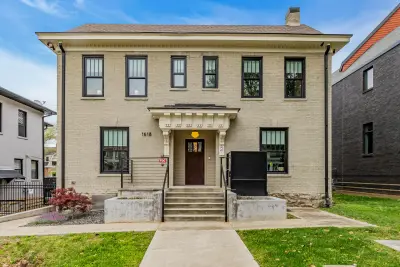
Live Again Detox is located at 1618 17th Ave S, Nashville, TN 37212 on Historic Music Row. The location provides a Nashville-based option for adults in Davidson County and people traveling from nearby Middle Tennessee communities for opioid addiction treatment.
For some clients, receiving care in Nashville can also make it easier to involve family members and begin planning for local continuing-care resources before discharge.
Connect with a compassionate admissions coordinator who understands heroin addiction and the urgency of opioid treatment.
We review heroin use, withdrawal history, medical needs, mental health symptoms, and treatment goals.
Our team checks benefits and explains coverage, authorization requirements, and possible out-of-pocket costs.
Verify Your BenefitsIf treatment is appropriate, we help arrange arrival and explain what to bring and what to expect.
The appropriate level of care depends on more than how often someone uses heroin. A clinical assessment should consider recent opioid use, withdrawal history, overdose history, other substance use, physical health, psychiatric symptoms, previous treatment attempts, home stability, and the likelihood of returning to use.
May be appropriate when active withdrawal, recent heavy opioid use, polysubstance use, or medical concerns require closer monitoring before ongoing treatment begins.
May be appropriate when someone needs 24/7 structure, has repeatedly returned to heroin use, lacks a stable recovery environment, or needs intensive clinical and psychiatric support.
Final level-of-care recommendations should be based on an individualized medical and clinical assessment.
This page is educational and does not replace individualized medical advice, diagnosis, or treatment. Heroin withdrawal, overdose risk, medication decisions, and level-of-care recommendations should be evaluated by qualified healthcare professionals.
If you are experiencing an overdose, severe withdrawal complications, suicidal thoughts, loss of consciousness, trouble breathing, or an immediate risk to yourself or others, call 911 immediately. Never attempt to discontinue heroin or begin detox without appropriate medical guidance.
If heroin use is becoming difficult to stop, treatment can begin with a confidential conversation. Contact Live Again Detox to discuss current needs, insurance benefits, available levels of care, and the next appropriate step.
Heroin rehab is a professional treatment program that helps people stop using heroin and build a healthier, more stable life. Because heroin changes the brain and often creates physical dependence, quitting alone can result in intense withdrawal and cravings. Rehab combines medical oversight, therapy, emotional support, recovery education, and life-skills development.
Detox helps the body adjust to the absence of heroin while clinicians monitor symptoms and provide supportive care. Withdrawal may include anxiety, nausea, vomiting, muscle aches, insomnia, sweating, diarrhea, and strong cravings. Medication may be used when clinically appropriate to reduce discomfort and improve stability.
After detox, treatment focuses on the behavioral, emotional, and psychological aspects of addiction. Residential clients live at the facility and participate in daily therapy and recovery programming. Outpatient clients live at home while attending scheduled treatment sessions. Both approaches build coping skills and relapse-prevention strategies.
Treatment may include individual therapy, group counseling, family therapy, cognitive behavioral therapy, trauma-informed care, relapse-prevention training, life-skills education, and holistic services such as mindfulness and yoga.
Treatment length varies based on clinical needs, heroin use history, mental health, progress, and recovery goals. Treatment length varies from person to person and should be based on clinical needs, progress, recovery environment, and continuing-care planning rather than a fixed timeline.
Medications for opioid use disorder (MOUD), sometimes called medication-assisted treatment (MAT), combine medication with counseling and behavioral therapies. Methadone, buprenorphine, or naltrexone may reduce cravings, support brain stabilization, improve treatment retention, and lower relapse and overdose risk when clinically appropriate.
Rehab helps clients identify triggers, practice craving-management skills, regulate emotions, manage stress, build healthier relationships, and create structured aftercare plans. Continued outpatient therapy, support groups, medication follow-up, and alumni services can reinforce these skills after discharge.
Important considerations include medical supervision during detox, licensed clinicians, individual and group therapy, family involvement, dual-diagnosis care, medication support, flexible treatment length, small client-to-staff ratios, and strong aftercare planning.
Live Again Detox offers a private Music Row location, small groups, medical and clinical support, holistic amenities, chef-prepared meals, family therapy, individualized treatment, recreational activities, and continued recovery planning.
Call 629-465-4224, use the confidential contact form, or complete an online insurance verification. The admissions team can answer questions, review treatment needs, check benefits, and coordinate arrival when appropriate.


Heroin is a highly addictive opioid that alters brain function and leads to tolerance and dependence.
National Institute on Drug Abuse. (2023). Heroin drug facts. National Institutes of Health. Retrieved August 21, 2025, from https://nida.nih.gov/publications/drugfacts/heroin
Physical signs include constricted pupils, track marks, behavioral changes, and withdrawal symptoms.
Mayo Clinic. (2024). Heroin addiction: Symptoms and causes. Mayo Foundation for Medical Education and Research. Retrieved August 21, 2025, from https://www.mayoclinic.org/diseases-conditions/heroin-addiction/symptoms-causes/syc-20373400
Withdrawal from heroin can be painful and dangerous, requiring medical detox.
Substance Abuse and Mental Health Services Administration. (2024). Treatment for heroin addiction. U.S. Department of Health & Human Services. Retrieved August 21, 2025, from https://www.samhsa.gov/medications-substance-use-disorders/medications-counseling-related-conditions
American Psychiatric Association. (2022). Substance use disorders. In Diagnostic and statistical manual of mental disorders (5th ed., text rev.). Washington, DC: Author.
Medication-assisted treatment (MAT) with methadone, buprenorphine, or naltrexone is effective when combined with counseling.
National Institute on Drug Abuse. (2021). Medications to treat opioid use disorder research report. National Institutes of Health. Retrieved August 21, 2025, from https://nida.nih.gov/research-topics/medications-opioid-use-disorder
American Society of Addiction Medicine. (2020). The ASAM criteria: Treatment criteria for addictive, substance-related, and co-occurring conditions (4th ed.). Rockville, MD: Author.
Recovery is a long-term process that benefits from evidence-based treatment and ongoing support.
National Institute on Drug Abuse. (2020). Principles of drug addiction treatment: A research-based guide (3rd ed.). National Institutes of Health. Retrieved August 21, 2025, from https://nida.nih.gov/publications/principles-drug-addiction-treatment-research-based-guide-third-edition
Centers for Disease Control and Prevention. (2024). Opioid overdose: Preventing opioid overdose deaths. U.S. Department of Health & Human Services. Retrieved August 21, 2025, from https://www.cdc.gov/overdose-prevention/prevention/index.html

Get Family Support Now
We understand addiction affects the whole family. Our comprehensive family program helps rebuild trust and restore relationships.
Weekly Family Therapy Sessions
Educational Workshops
Support Groups
Communication Skills Training


Hear directly from those who have walked the path to recovery at Live Again Detox.. Our patients’ stories highlight the compassionate care, effective programs, and life-changing support they’ve experienced. Let their journeys inspire you as you take your first steps toward healing.