State-of-the-Art Facility
Clients receive care in a boutique setting with thoughtfully designed spaces, wellness amenities, chef-prepared meals, discreet support, and an atmosphere created for recovery.

When it comes to battling addiction, finding treatment that fits real life matters. Live Again Detox provides outpatient addiction treatment in Nashville for adults who need professional clinical support while continuing to live at home and manage work, school, family, and other daily responsibilities.
Our outpatient programs are designed to provide structure, accountability, evidence-based therapy, and recovery support without requiring a 24-hour residential stay.
Outpatient addiction treatment allows clients to receive professional care while continuing to live at home or in another stable recovery environment. Treatment can help address substance use, co-occurring mental health concerns, relapse risk, trauma, relationships, and the practical challenges of maintaining recovery in everyday life.
Outpatient addiction treatment is a flexible approach to recovery that allows individuals to receive treatment while continuing to live at home and manage their responsibilities. Unlike residential treatment, which involves living at the facility, outpatient programs provide clinical structure and support without interrupting daily life to the same degree.
The goal is to provide tools, therapies, and resources that support sobriety while also addressing underlying issues that may contribute to substance use. Outpatient care can be especially valuable for people with a stable home environment, strong motivation for recovery, and the ability to participate consistently in treatment.
PHP provides intensive daytime programming for clients who need substantial clinical structure but do not require overnight residential care.
Explore PHPIOP provides structured treatment multiple days per week while allowing clients to live at home or in a sober living environment and continue many daily responsibilities.
Explore IOPStandard outpatient care provides ongoing counseling, medication management when appropriate, relapse prevention, and recovery support with greater independence.
Explore Outpatient CareLive Again Detox uses evidence-based and trauma-informed approaches across outpatient levels of care, with treatment tailored to individual recovery goals and mental health needs.
Trauma-informed treatment prioritizes safety, choice, collaboration, and pacing while addressing experiences that may contribute to substance use. EMDR, CPT, and trauma-informed CBT may be used when clinically appropriate.
Explore Trauma Therapy12-step principles can provide accountability, community, personal responsibility, fellowship, and ongoing recovery support alongside evidence-based clinical treatment.
Integrated care addresses addiction alongside anxiety, depression, PTSD, trauma-related symptoms, bipolar disorder, and other mental health concerns.
Explore Dual Diagnosis CareMindfulness, yoga or gentle movement, breathwork, sleep hygiene, nutrition counseling, and stress-management practices can complement therapy and support whole-person recovery.
Outpatient treatment can provide continued support after detox or residential treatment while clients begin practicing recovery with more independence.
Explore Residential TreatmentClients generally need a safe, supportive, substance-free environment where they can practice recovery skills between treatment sessions.
Outpatient treatment may fit people who need to remain engaged in employment, education, parenting, or other important responsibilities.
Integrated outpatient treatment can support addiction recovery alongside anxiety, depression, trauma, PTSD, bipolar disorder, or other behavioral health concerns.
Explore Dual Diagnosis CareRegular therapy, peer support, and clinical contact can provide structure and accountability as clients return to everyday routines.
Outpatient care can be appropriate when a client no longer needs 24-hour structure but still benefits from professional support and relapse-prevention planning.
One of the primary advantages of outpatient addiction treatment is the ability to receive structured care while staying connected to everyday life and community support.
Continue working, attending school, and staying connected with family while receiving professional addiction treatment.
Apply coping strategies, communication skills, and relapse-prevention tools in your real environment between sessions.
Remain close to family, friends, community resources, and local recovery support throughout treatment.
Many insurance plans may cover medically necessary outpatient treatment. Admissions can verify benefits and explain potential coverage.
Verify Your BenefitsOutpatient care can create a structured bridge between intensive treatment and more independent daily living.
Explore AftercareLive Again Detox combines individualized treatment planning, evidence-based therapy, family support, and a connected continuum of care in Nashville.
Clients receive care in a boutique setting with thoughtfully designed spaces, wellness amenities, chef-prepared meals, discreet support, and an atmosphere created for recovery.

Comfortable bedrooms include full-sized Tempur-Pedic mattresses and in-room televisions to support rest and stabilization when residential care is part of the treatment journey.

Nutritious, chef-prepared meals support whole-person wellness and can complement treatment across the continuum of care.

Family therapy helps loved ones rebuild trust, improve communication, strengthen boundaries, and support recovery more effectively.
Explore Family Therapy
Care plans reflect substance use history, mental health needs, previous treatment, living environment, responsibilities, and recovery goals.
Aftercare planning helps clients maintain progress through continued support, relapse-prevention strategies, and connections to community recovery resources.
Explore AftercareConnect with a compassionate admissions coordinator who can answer questions about outpatient treatment, scheduling, availability, and next steps.
We review substance use, medical history, mental health needs, previous treatment, home environment, and recovery goals.
Our admissions team can verify benefits and explain coverage, authorization requirements, and potential out-of-pocket costs.
Verify Your BenefitsIf outpatient treatment is appropriate, we help coordinate your start date and explain what to expect from the program.
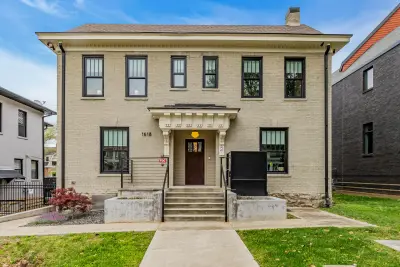
Live Again Detox is located at 1618 17th Ave S, Nashville, TN 37212 on Historic Music Row. Our admissions team can help people throughout Nashville and Middle Tennessee understand outpatient options and determine whether PHP, IOP, standard outpatient care, or another level of treatment may be appropriate.
This page is educational and does not replace an individualized clinical assessment. Placement in outpatient treatment, IOP, PHP, residential treatment, detox, or another level of care should be based on medical stability, withdrawal risk, mental health needs, relapse risk, recovery environment, and other clinical factors.
Live Again Detox provides outpatient addiction treatment designed to offer flexibility, clinical support, and accountability without requiring you to put daily life completely on hold. Our admissions team can answer questions, verify insurance, and help identify the right next step.
If you are experiencing a medical or psychiatric emergency, call 911 or go to the nearest emergency department.
Call 629-465-4224, contact admissions, or complete the insurance verification form. The admissions team can review your treatment history, current needs, schedule, home environment, and insurance benefits to help determine the right level of care.
Outpatient addiction treatment provides structured therapy and recovery support while allowing clients to live at home or in another stable environment. Treatment may include individual therapy, group counseling, relapse prevention, psychiatric care, family support, and continuing-care planning.
Outpatient care may include Partial Hospitalization Programs, Intensive Outpatient Programs, and standard outpatient treatment. The appropriate level depends on medical stability, withdrawal risk, mental health needs, relapse risk, previous treatment, and the amount of structure required.
Outpatient treatment may be appropriate for people who are medically stable, do not require 24-hour supervision, have a supportive living environment, and are able to participate consistently while managing work, school, or family responsibilities.
Residential treatment includes 24-hour living support at the facility. Outpatient treatment allows clients to live outside the facility while attending structured therapy and recovery services on a scheduled basis.
Treatment may include cognitive behavioral therapy, dialectical behavior therapy, trauma-informed care, motivational interviewing, family therapy, 12-step integration, psychiatric support, relapse prevention, and holistic services.
Holistic support may include mindfulness, yoga or gentle movement, breathwork, nutrition education, sleep hygiene, stress management, and wellness planning that complement clinical treatment.
Often, yes. Outpatient care is designed to provide flexibility, although exact schedules vary by level of care and clinical need.
Live Again Detox combines individualized treatment planning, evidence-based therapy, dual-diagnosis support, family involvement, holistic services, and a connected continuum of care that can include detox, residential treatment, PHP, IOP, standard outpatient treatment, and aftercare.
Many commercial insurance plans include benefits for medically necessary outpatient substance use treatment. Coverage varies by plan, network status, deductible, authorization requirements, and medical necessity.


Tennessee Department of Mental Health and Substance Abuse Services. (2024). Annual overdose report. https://www.tn.gov/behavioral-health/research/data–research–and-planning/data-resources-.html
Centers for Disease Control and Prevention. (2023). Opioid overdose: Understanding the epidemic. https://www.cdc.gov/overdose-prevention/about/understanding-the-opioid-overdose-epidemic.html
Substance Abuse and Mental Health Services Administration. (2023). National survey on drug use and health: Tennessee data summary. https://www.samhsa.gov/data
National Institute on Drug Abuse. (2023). Common comorbidities with substance use disorders. https://nida.nih.gov/research-topics/trends-statistics/infographics/comorbidity-substance-use-other-mental-disorders
U.S. Department of Health & Human Services. (2023). Mental Health Parity and Addiction Equity Act (MHPAEA). https://www.hhs.gov/programs/topic-sites/mental-health-parity/index.html
U.S. Department of Health & Human Services. (2023). 988 Suicide & Crisis Lifeline. https://988lifeline.org/
Get Family Support Now
We understand addiction affects the whole family. Our comprehensive family program helps rebuild trust and restore relationships.
Weekly Family Therapy Sessions
Educational Workshops
Support Groups
Communication Skills Training


Hear directly from those who have walked the path to recovery at Live Again Detox. Our patients’ stories highlight the compassionate care, effective programs, and life-changing support they’ve experienced. Let their journeys inspire you as you take your first steps toward healing.