Experienced Clinical Team
Clinical and recovery professionals work together to support treatment planning, progress, and continued care.

Live Again Detox provides intensive addiction treatment options in Nashville for adults who need more structure than standard outpatient care but do not require 24-hour residential supervision. A Partial Hospitalization Program can serve as an important step between residential treatment and lower-intensity outpatient care.
PHP treatment planning is individualized around substance use history, withdrawal risk, medical stability, mental health needs, previous treatment, relapse risk, living environment, and recovery goals.
PHP provides a substantial amount of structured clinical programming during the day while allowing medically stable clients to live outside the treatment facility. Treatment may include therapy, relapse prevention, psychiatric support, medication management when appropriate, family involvement, and recovery-skills development.
A Partial Hospitalization Program is a structured level of addiction care designed for people who need intensive treatment but can safely live outside the facility. Clients participate in multiple hours of clinical programming on scheduled treatment days while maintaining a greater degree of independence than they would in residential care.
In the ASAM Criteria Fourth Edition, the traditional Level 2.5 PHP level is now referred to as High Intensity Outpatient. PHP remains a familiar term for patients, families, insurers, and treatment providers.
An individualized assessment is the best way to determine whether PHP is appropriate. Clients generally need to be medically stable enough to participate without 24-hour residential supervision.
People who have completed withdrawal management and no longer need round-the-clock detox monitoring may be ready for intensive daytime treatment.
Explore Medical DetoxPHP can provide continued structure after residential treatment while allowing clients to begin practicing recovery skills with more independence.
Explore Residential TreatmentPeople who remain vulnerable to cravings, triggers, emotional instability, or repeated relapse may benefit from frequent clinical contact and structured treatment.
Integrated treatment can address addiction alongside anxiety, depression, trauma, PTSD, bipolar disorder, or other behavioral health concerns.
Explore Dual Diagnosis CareThe main differences between these levels of care involve where clients live, how much structure they receive, and how much medical or behavioral support is needed.
Clients live at the treatment facility and receive 24-hour structure, support, therapy, and recovery programming.
Explore Residential TreatmentClients participate in intensive daytime programming but live outside the treatment facility. PHP offers substantial structure without overnight residential care.
Explore PHP TreatmentIOP generally provides fewer treatment hours than PHP and may be appropriate as clients become more stable and ready for additional independence.
Explore IOP TreatmentExact schedules vary according to clinical need, but PHP is designed to provide a substantial portion of the day in treatment rather than brief check-ins.
One-on-one counseling helps clients work on triggers, emotional concerns, recovery goals, behavior patterns, and barriers to change.
Explore Treatment OptionsClinician-led groups provide peer support, accountability, recovery education, communication practice, and opportunities to strengthen coping skills.
Psychiatric evaluation and medication management may be included when clinically appropriate for co-occurring mental health symptoms or addiction-related treatment needs.
Clients identify warning signs, triggers, high-risk situations, and practical strategies for responding before a lapse becomes a return to sustained use.
Family therapy and education can improve communication, rebuild trust, strengthen boundaries, and prepare loved ones to support recovery.
Explore Family TherapyProgramming may address stress management, sleep, routines, decision-making, communication, wellness, and preparation for greater independence.
PHP often sits in the middle of a continuum of addiction care. Some clients enter PHP after medical detox or residential treatment, while others later transition into IOP, standard outpatient care, or aftercare services.
Residential care offers a structured 24-hour environment for clients who need greater support, supervision, or separation from outside triggers.
Explore Residential TreatmentOutpatient treatment can provide continued therapy, relapse prevention, psychiatric support, and accountability as clients move toward greater independence.
Explore Outpatient TreatmentLive Again Detox combines individualized treatment planning, medical and clinical coordination, and a supportive Nashville environment designed to help clients move through recovery with structure and dignity.
Clinical and recovery professionals work together to support treatment planning, progress, and continued care.

Medical, psychiatric, and clinical needs can be coordinated so treatment reflects the full picture rather than one symptom or diagnosis.

Care is individualized around substance use history, mental health needs, previous treatment, living environment, and recovery goals.

A calm environment can help clients stay engaged in treatment while building healthier routines and coping skills.
Planning begins before discharge so clients have a clearer path into continued treatment and relapse-prevention support.
Explore Aftercare Support
Nutrition, movement, mindfulness, recreation, and other wellness services can complement evidence-based addiction treatment.
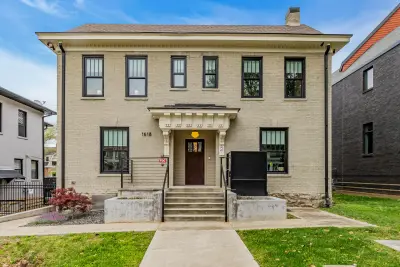
Live Again Detox is located at 1618 17th Ave S, Nashville, TN 37212 on Historic Music Row. Our admissions team can help people from Nashville and surrounding Middle Tennessee communities understand available treatment options and determine which level of care may be appropriate.
Medical withdrawal support for people who need stabilization before beginning PHP or another continuing level of care.
Learn MoreStructured 24-hour addiction treatment for people who need greater support, supervision, or separation from outside triggers.
Learn MoreLower-intensity treatment that can support continued therapy, relapse prevention, psychiatric care, and increasing independence.
Learn MoreContinuing-care planning can include therapy, peer support, alumni services, sober living, medication follow-up, and relapse-prevention resources.
Learn MoreThis page is educational and does not replace an individualized clinical assessment. Placement in PHP, High Intensity Outpatient, residential treatment, IOP, or another level of care should be based on medical stability, withdrawal risk, mental health needs, relapse risk, recovery environment, and other clinical factors.
You do not have to decide between detox, residential treatment, PHP, IOP, or outpatient care on your own. Our admissions team can discuss your current needs, recent treatment, insurance benefits, and which level of care may be appropriate.
If you are experiencing a medical or psychiatric emergency, call 911 or go to the nearest emergency department.
A Partial Hospitalization Program is an intensive level of addiction treatment that provides structured clinical programming during the day while allowing medically stable clients to live outside the treatment facility.
No. Residential treatment includes 24-hour living support at the treatment facility. PHP provides intensive daytime treatment while clients live at home, in supportive housing, or in another stable recovery environment.
PHP may be appropriate for people who need more structure than standard outpatient or IOP care but do not require 24-hour residential supervision. Placement should consider medical stability, withdrawal risk, mental health needs, relapse risk, and the recovery environment.
Yes. Many people transition from medical detox into PHP once they are medically stable and no longer require round-the-clock withdrawal monitoring.
Yes. PHP can provide continued structure after residential care while allowing clients to begin practicing recovery skills with more independence.
Programming may include individual therapy, group counseling, cognitive behavioral therapy, trauma-informed care, family therapy, relapse prevention, psychiatric support, medication management when appropriate, and recovery-skills development.
PHP generally provides more treatment hours and greater clinical intensity than an intensive outpatient program. IOP is often used as a later step-down option when clients are ready for more independence.
Dual-diagnosis care can address substance use disorders alongside anxiety, depression, PTSD, trauma-related symptoms, bipolar disorder, and other behavioral health concerns.
Many commercial insurance plans include benefits for medically necessary substance use treatment, including intensive outpatient levels of care. Coverage varies by plan, network, deductible, authorization requirements, and medical necessity.
Call 629-465-4224, contact admissions, or complete the online insurance verification form. The admissions team can review your treatment history, current stability, clinical needs, and benefits to help determine the appropriate level of care.


Tennessee Department of Mental Health and Substance Abuse Services. (2024). Annual overdose report. https://www.tn.gov/behavioral-health.html
Centers for Disease Control and Prevention. (2023). Opioid overdose: Understanding the epidemic. https://www.cdc.gov/opioids/
Substance Abuse and Mental Health Services Administration. (2023). National survey on drug use and health: Tennessee data summary. https://www.samhsa.gov/data
National Institute on Drug Abuse. (2023). Common comorbidities with substance use disorders. https://nida.nih.gov/publications
U.S. Department of Health & Human Services. (2023). Mental Health Parity and Addiction Equity Act (MHPAEA). https://www.hhs.gov/programs/topic-sites/mental-health-parity/index.html
U.S. Department of Health & Human Services. (2023). 988 Suicide & Crisis Lifeline. https://988lifeline.org/
Get Family Support Now
We understand addiction affects the whole family. Our comprehensive family program helps rebuild trust and restore relationships.
Weekly Family Therapy Sessions
Educational Workshops
Support Groups
Communication Skills Training

Hear directly from those who have walked the path to recovery at Live Again Detox. Our patients’ stories highlight the compassionate care, effective programs, and life-changing support they’ve experienced. Let their journeys inspire you as you take your first steps toward healing.