
Individualized Treatment Planning
Care plans are built around diagnosis, mood patterns, psychiatric history, substance use, previous treatment, living environment, and personal goals.

Living with bipolar disorder can feel unpredictable. Periods of elevated energy, impulsivity, or reduced need for sleep may be followed by depression, fatigue, or difficulty functioning. These shifts can affect relationships, decision-making, work, sleep, and overall stability.
At Live Again Detox, bipolar treatment focuses on helping clients understand mood patterns, stabilize symptoms, build consistent routines, and address co-occurring substance use when present.
Bipolar disorder can occur alongside substance use, anxiety, trauma, or other mental health concerns. Integrated treatment can address mood stability, psychiatric needs, therapy, recovery skills, and addiction treatment together rather than treating each issue in isolation.
Bipolar disorder is more than ordinary moodiness or occasional emotional highs and lows. It is a clinical mental health condition involving distinct shifts in mood, energy, activity, and behavior.
Some people experience manic or hypomanic periods marked by elevated mood, increased energy, impulsivity, irritability, or reduced need for sleep. Others experience depressive episodes that can include fatigue, low motivation, loss of interest, hopelessness, or difficulty functioning.
Bipolar I involves manic episodes that may be severe and can significantly disrupt judgment, sleep, relationships, work, or safety. Depressive episodes may also occur.
Bipolar II includes hypomanic episodes that are less intense than full mania, along with major depressive episodes that can substantially affect daily functioning.
Cyclothymic disorder involves ongoing periods of hypomanic and depressive symptoms that do not meet full episode criteria but can still cause meaningful disruption.
Periods of unusually high energy, restlessness, rapid speech, racing thoughts, or sleeping very little without feeling tired may signal mania or hypomania.
Mood episodes may involve impulsive spending, unsafe decisions, substance use, conflict, or other behavior that feels out of character.
Depressive periods may include fatigue, low mood, loss of motivation, hopelessness, withdrawal, or reduced interest in previously meaningful activities.
Bipolar symptoms can affect focus, follow-through, sleep schedules, appetite, work performance, relationships, and daily structure.
Without appropriate treatment, bipolar disorder can disrupt sleep, relationships, work, decision-making, and emotional stability. Some people also turn to alcohol or drugs in an attempt to manage mood changes, insomnia, agitation, or depression.
Psychiatric care and medication management can help reduce the intensity and frequency of mood episodes and support more consistent functioning.
Therapy can help clients identify triggers, build routines, strengthen coping skills, improve sleep habits, and respond more effectively to stress.
Substance use can complicate bipolar disorder by worsening sleep disruption, impulsivity, depression, medication adherence, and mood instability. When both conditions are present, coordinated dual-diagnosis treatment is often important.
Treatment addresses bipolar disorder and substance use together so progress in one area is not undermined by untreated symptoms in the other.
Explore Dual Diagnosis CareIf alcohol, benzodiazepines, opioids, or other substances have created physical dependence, medical detox may be necessary before or alongside ongoing psychiatric treatment.
Explore Medical DetoxPsychiatric medications may be used to stabilize mood, reduce episode severity, manage depression, or address other symptoms. Medication should be monitored and adjusted by qualified professionals.
Therapy helps clients identify triggers, improve insight, strengthen coping skills, build routines, and respond more effectively to stress and mood changes.
Explore Treatment OptionsMovement, sleep support, mindfulness, nutrition, stress management, and consistent daily structure can complement psychiatric and therapeutic care.
Family therapy can improve communication, rebuild trust, help loved ones recognize warning signs, and support healthier routines and boundaries.
Explore Family TherapyCBT can help clients recognize thought patterns, improve coping, manage stress, and respond more intentionally to mood-related challenges.
Explore CBTDBT can support emotional regulation, distress tolerance, mindfulness, and healthier communication during periods of instability.
Learning about bipolar disorder, triggers, warning signs, sleep, medication adherence, and relapse patterns can help clients recognize changes earlier.
Family involvement can strengthen communication, help loved ones understand mood episodes, and support more consistent recovery routines.
Explore Family TherapyThe appropriate level of care depends on current symptoms, medical stability, substance use, safety concerns, previous treatment, and the amount of structure needed.
Medical detox provides monitored withdrawal management when substance dependence must be stabilized before continuing psychiatric or addiction treatment.
Explore Medical DetoxResidential care provides 24-hour structure, therapy, clinical support, and a stable environment for people who need more intensive treatment.
Explore Residential TreatmentPHP provides intensive daytime treatment for medically stable clients who need substantial structure without an overnight residential stay.
Explore PHPIOP offers structured treatment several days per week while allowing clients to maintain more work, school, or family responsibilities.
Explore IOPOutpatient care can provide ongoing therapy, psychiatric follow-up, medication management, and support with greater independence.
Explore Outpatient CareAftercare supports long-term stability through therapy, peer support, medication follow-up, relapse-prevention planning, and community resources.
Explore AftercareStability does not mean becoming emotionally flat or never experiencing stress. It means mood changes become more manageable, sleep becomes more consistent, decision-making becomes clearer, and daily routines feel more predictable.
Improved sleep routines and mood stabilization can reduce the extreme swings between high energy, exhaustion, and disrupted daily functioning.
Treatment can help clients pause, evaluate choices, and respond with more intention rather than acting primarily from impulsivity or severe mood shifts.
More consistent communication and improved emotional regulation can help rebuild trust and reduce conflict in important relationships.
Regular meals, medication adherence, sleep, appointments, work, school, and other responsibilities can become more manageable with greater stability.
There is no single timeline for bipolar treatment. Some people begin noticing improvements in sleep, mood, or daily functioning within the first few weeks, while others need a longer period of medication adjustment, therapy, or structured support.
Bipolar disorder is generally a long-term condition, so sustained stability often involves ongoing psychiatric care, therapy, medication monitoring, lifestyle support, and a plan for recognizing early warning signs.
Care plans are built around diagnosis, mood patterns, psychiatric history, substance use, previous treatment, living environment, and personal goals.

Medication management, therapy, dual-diagnosis care, and recovery planning can be coordinated so treatment reflects the full clinical picture.

Smaller groups can support stronger therapeutic relationships, individualized attention, accountability, and meaningful peer connection.

A calm, respectful setting can help clients stay engaged while building healthier routines, emotional stability, and confidence.

Nutrition, movement, mindfulness, sleep support, and stress-management strategies can complement psychiatric and therapeutic care.
Ongoing therapy, psychiatric follow-up, family support, outpatient services, and community resources can help maintain progress after intensive treatment.
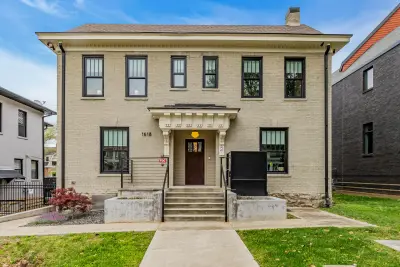
Explore AftercareLive Again Detox is located at 1618 17th Ave S, Nashville, TN 37212 on Historic Music Row. Our admissions team can help people from Nashville, Murfreesboro, Franklin, and surrounding Middle Tennessee communities understand available bipolar, dual-diagnosis, and addiction treatment options.
Connect with an admissions coordinator who can answer questions about bipolar treatment, dual-diagnosis care, and next steps.
We review mood symptoms, psychiatric history, substance use, medical needs, current functioning, and treatment goals.
Our team checks benefits and explains coverage, authorization requirements, and possible out-of-pocket costs.
Verify Your BenefitsIf treatment is appropriate, we coordinate intake and explain what to expect from the recommended level of care.
This page is educational and does not replace an individualized psychiatric or medical assessment. Bipolar diagnosis, medication decisions, safety planning, dual-diagnosis recommendations, and level-of-care placement should be based on evaluation by qualified healthcare professionals.
Bipolar disorder can become more manageable with the right psychiatric care, therapy, structure, and support. Our admissions team can help you understand treatment options, verify insurance, and determine whether bipolar treatment, dual-diagnosis care, detox, residential treatment, PHP, IOP, or outpatient care may be appropriate.
Bipolar disorder is a mental health condition involving distinct shifts in mood, energy, activity, and functioning, including manic or hypomanic episodes and depressive episodes. Treatment commonly includes medication management, psychotherapy, psychoeducation, lifestyle support, and ongoing monitoring.
Bipolar treatment is available through licensed mental health and dual-diagnosis providers in Nashville. Live Again Detox offers structured treatment and integrated care when bipolar disorder occurs alongside substance use.
Signs can include unusually high energy, reduced need for sleep, impulsivity, irritability, risky behavior, periods of depression, fatigue, loss of interest, sleep changes, difficulty concentrating, or significant disruption in daily functioning.
Therapy and lifestyle support are important, but medication is often a central part of bipolar disorder treatment. Treatment should be individualized by qualified psychiatric professionals based on diagnosis, symptoms, medical history, and treatment response.
Bipolar disorder is generally a long-term condition. Some people notice improvement within weeks, while longer-term stability may require ongoing medication management, psychotherapy, monitoring, and adjustments over time.
Therapy may include cognitive behavioral therapy, dialectical behavior therapy, psychoeducation, individual counseling, family therapy, relapse-prevention work, and lifestyle-focused support.
Yes. When bipolar disorder and substance use occur together, integrated dual-diagnosis care can address both conditions in a coordinated treatment plan.
Depending on clinical stability and level-of-care needs, outpatient or intensive outpatient treatment may allow clients to continue work, school, or family responsibilities while receiving structured treatment.
Bipolar I includes manic episodes that may be severe and can require hospitalization or intensive stabilization. Bipolar II includes hypomanic episodes along with major depressive episodes. Both can significantly affect functioning and quality of life.
Call 629-465-4224, contact admissions, or complete the insurance verification form. The team can review symptoms, treatment history, substance use concerns, current stability, and insurance benefits to help determine the appropriate next step.


Tennessee Department of Mental Health and Substance Abuse Services. (2024). Annual overdose report. https://www.tn.gov/behavioral-health.html
Centers for Disease Control and Prevention. (2023). Opioid overdose: Understanding the epidemic. https://www.cdc.gov/opioids/
Substance Abuse and Mental Health Services Administration. (2023). National survey on drug use and health: Tennessee data summary. https://www.samhsa.gov/data
National Institute on Drug Abuse. (2023). Common comorbidities with substance use disorders. https://nida.nih.gov/publications
U.S. Department of Health & Human Services. (2023). Mental Health Parity and Addiction Equity Act (MHPAEA). https://www.hhs.gov/programs/topic-sites/mental-health-parity/index.html
U.S. Department of Health & Human Services. (2023). 988 Suicide & Crisis Lifeline. https://988lifeline.org/