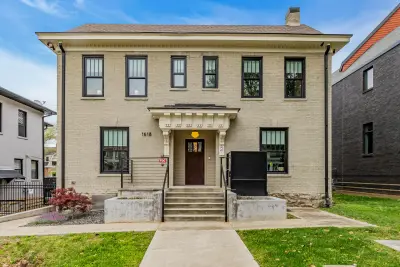
State-of-the-Art Facility
A high-end boutique setting with thoughtfully designed spaces, wellness amenities, chef-crafted meals, discreet services, and a recovery-focused atmosphere.

When someone is struggling with drug addiction, it is important to remember they are not alone. Live Again Detox provides drug rehab in Nashville, TN for adults ready to begin structured addiction treatment and build a stronger foundation for long-term recovery.
Our caring and supportive team provides comprehensive treatment options tailored to each client’s needs, with therapy, clinical support, recovery planning, and ongoing care designed around the individual.
Drug rehab provides ongoing support, treatment, and care after medically supervised detox when detox is needed. Detox alone does not equip people with the skills and strategies to address cravings, triggers, learned behaviors, or relapse risk.
Treatment can also help people manage lingering psychological withdrawal symptoms such as anxiety, depression, and cravings while exploring the root causes of addiction and building healthier coping patterns.
Treatment helps clients recognize when drugs have become a way to cope with stress, trauma, difficult emotions, or everyday challenges.
Clients can learn healthier ways to respond to social pressure, high-risk relationships, and environments connected with past substance use.
Therapy can help identify beliefs and thought patterns that reinforce substance use and replace them with healthier perspectives.
Recovery work helps clients recognize routines and learned behaviors associated with drug use and practice new responses.
Structured treatment helps clients identify triggers, manage cravings, and develop practical strategies for staying engaged in recovery.
Clients build relapse-prevention plans designed to help them notice warning signs early and respond before returning to use.
Live Again Detox provides personalized therapies to support short-term stabilization and long-term recovery goals. During drug rehab in Nashville, clients may follow a highly structured treatment schedule throughout the day.
Private therapy helps clients explore root causes of addiction, discuss difficult topics, strengthen accountability, and build coping skills. Sessions may incorporate CBT, DBT, or trauma-focused approaches.
Explore CBTGroup therapy creates opportunities to connect with peers, share experiences, practice coping skills, and learn through education and structured exercises.
Family therapy provides a structured setting to address trust, communication, boundaries, and recovery support within the family system.
Explore Family TherapyHolistic services may include yoga, mindfulness, meditation, art therapy, exercise, and nutritional counseling to support whole-person recovery.
Explore Holistic TreatmentA 12-step approach may be incorporated into treatment to help clients build accountability, connection, and long-term recovery support.
Explore 12-Step TreatmentIntegrated treatment addresses substance use and co-occurring mental health conditions together to reduce unresolved relapse triggers.
Explore Dual DiagnosisMedication may be used when clinically appropriate to address certain withdrawal symptoms, cravings, or co-occurring mental health symptoms.
Aftercare planning may include therapy, groups, alumni activities, sober living resources, and continued relapse-prevention support.
Explore AftercareLive Again Detox provides individualized drug rehab treatment in a warm, supportive Nashville environment designed to reduce outside distractions and help clients focus on recovery.
Our experienced medical and addiction professionals take time to understand each client and build a treatment plan around their needs, progress, and goals.
Clients have access to support day and night for medical concerns, recovery needs, and clinical guidance during treatment.
Treatment plans can evolve as clients progress so care continues to reflect current needs rather than a fixed one-size-fits-all path.
A structured setting away from everyday stressors gives clients space to focus on therapy, recovery skills, and emotional stabilization.
When returning home is not supportive of recovery, aftercare planning may include assistance locating sober living resources.
Continued counseling, recovery resources, and aftercare services help clients maintain progress after structured rehab ends.
A high-end boutique setting with thoughtfully designed spaces, wellness amenities, chef-crafted meals, discreet services, and a recovery-focused atmosphere.

Comfortable bedrooms with full-sized Tempur-Pedic mattresses and in-room televisions support rest and wellness during treatment.

A private chef prepares three tailored meals daily with nutritious dishes designed to complement the recovery process.

The team includes master-level clinicians, nutrition expertise, 24/7 medical and nursing support, individual therapy, and regular medical consultations.

Groups are limited to twelve clients to support closer attention, stronger peer connections, and more personalized clinical care.
Aftercare planning, relapse-prevention strategies, continued support, and community resources help clients maintain recovery after treatment.
Explore AftercareLive Again Detox provides comprehensive inpatient drug rehab in Nashville for individuals dependent on opioids, stimulants, benzodiazepines, prescription medications, and synthetic substances. Drug addiction can affect mental health, employment, family relationships, and personal safety and often requires more than detox alone.
While detox can stabilize the body, it does not address the psychological, behavioral, and environmental factors that drive continued substance use. Cravings, trauma, stress triggers, and co-occurring mental health conditions can contribute to relapse when left untreated.
After even brief periods of abstinence, drug tolerance can drop. Returning to previously used amounts may increase overdose risk, making relapse-prevention planning and continued care especially important.
Treatment may include cognitive behavioral therapy, group counseling, psychiatric support, relapse-prevention planning, and life-skills development tailored to substance use and co-occurring mental health needs.
Addiction affects the whole family. Our family support services are designed to rebuild trust, strengthen relationships, and prepare loved ones to support recovery in healthier ways.
Structured family sessions create space for honest communication, healthier boundaries, collaborative recovery planning, and healing.
Education helps family members understand addiction, relapse risk, treatment expectations, and supportive responses.
Families can continue strengthening communication and recovery-focused relationships as their loved one transitions beyond treatment.
Connect with a compassionate admissions coordinator who understands what you are going through.
We ask about drug use, medical history, mental health, and treatment goals to help determine the right plan.
We verify benefits and explain what may be covered so you understand your options before treatment begins.
Verify Your BenefitsIf treatment is appropriate, our team can help coordinate intake and explain next steps.
You do not have to struggle with addiction alone. Our compassionate team can answer questions, review treatment options, verify insurance, and help coordinate admission when appropriate.
This page is educational and does not replace an individualized medical or behavioral health assessment. Treatment recommendations, detox needs, and level-of-care decisions should be made by qualified healthcare professionals.
If you are experiencing an overdose, severe withdrawal complications, suicidal thoughts, loss of consciousness, trouble breathing, or an immediate risk to yourself or others, call 911 immediately. Do not attempt to discontinue substance use or begin detox without appropriate medical guidance.
Drug rehab is the next step after medically supervised detox when detox is needed. It focuses on helping a person stay sober, address cravings and triggers, change habits and thinking patterns related to drug use, and build a stable recovery lifestyle through structured treatment and support.
Clients typically follow an organized schedule that includes therapy sessions, group work, education, recovery-focused activities, and time to practice coping skills. A predictable routine can reduce unstructured downtime and keep each day focused on recovery.
Individual therapy gives clients a private setting to discuss difficult topics, identify root causes of addiction, build coping skills, set goals, and track progress. Treatment may include cognitive behavioral therapy, dialectical behavior therapy, or trauma-focused approaches.
Group therapy can reduce isolation, build connection with peers, strengthen accountability, and create opportunities to practice communication and coping skills in a supportive setting.
Family therapy provides a structured place to address trust, communication, boundaries, enabling patterns, and recovery support while helping loved ones understand addiction and the recovery process.
Holistic treatments may include yoga, mindfulness, meditation, art therapy, exercise, and nutritional counseling. These services complement evidence-based treatment by supporting stress regulation, mood stability, healthy routines, and whole-person wellness.
Dual diagnosis treatment addresses substance use disorder and co-occurring mental health conditions at the same time. This can improve emotional stability, strengthen coping skills, and reduce untreated mental health triggers that may contribute to relapse.
Aftercare may include ongoing group meetings, individual therapy, alumni activities, sober living, community support, and continued relapse-prevention work designed to keep recovery active after structured treatment ends.
Call 629-465-4224, use the website contact form, or verify your insurance online. The admissions team can review your situation, explain treatment options, check benefits, and coordinate an arrival date when appropriate.


Tennessee Department of Mental Health and Substance Abuse Services. (2024). Annual overdose report. https://www.tn.gov/behavioral-health.html
Centers for Disease Control and Prevention. (2023). Opioid overdose: Understanding the epidemic. https://www.cdc.gov/opioids/
Substance Abuse and Mental Health Services Administration. (2023). National survey on drug use and health: Tennessee data summary. https://www.samhsa.gov/data
National Institute on Drug Abuse. (2023). Common comorbidities with substance use disorders. https://nida.nih.gov/publications
U.S. Department of Health & Human Services. (2023). Mental Health Parity and Addiction Equity Act (MHPAEA). https://www.hhs.gov/programs/topic-sites/mental-health-parity/index.html
U.S. Department of Health & Human Services. (2023). 988 Suicide & Crisis Lifeline. https://988lifeline.org/
Get Family Support Now
We understand addiction affects the whole family. Our comprehensive family program helps rebuild trust and restore relationships.
Weekly Family Therapy Sessions
Educational Workshops
Support Groups
Communication Skills Training

Hear directly from those who have walked the path to recovery at Live Again Detox.. Our patients’ stories highlight the compassionate care, effective programs, and life-changing support they’ve experienced. Let their journeys inspire you as you take your first steps toward healing.