Expert Medical Team
Medical providers, clinicians, nurses, therapists, and recovery professionals work together to support stabilization and continued treatment planning.

Explore detox programs in Nashville at Live Again Detox. Our treatment center at 1618 17th Ave S on Historic Music Row provides 24/7 medically supervised withdrawal care for adults seeking help with alcohol, opioids, benzodiazepines, prescription drugs, and other substances. Our team assesses risks, monitors symptoms, supports stabilization, and helps plan the next appropriate level of care.
Compare our Nashville detox programs below, learn what medical supervision involves, and find information about admission, insurance verification, and continuing care. Each substance-specific page explains its own withdrawal considerations, while this hub helps you find the right starting point.
Our medical detox program supports stabilization while helping reduce withdrawal discomfort and monitor for complications. Care is individualized around the substances involved, frequency and duration of use, previous withdrawal experiences, medical conditions, medications, mental health symptoms, and current withdrawal severity.
Choose a program to explore substance-specific withdrawal care, or speak with admissions about which services may fit your needs. A clinical assessment determines the appropriate level of supervision.

Learn how withdrawal care may differ for opioids, prescription medications, and other drugs.

Review stabilization, symptom management, and continuing treatment for opioid dependence.

Learn why withdrawal from Xanax and other benzodiazepines needs careful assessment.
Medical detox is a structured process that helps a person safely stop or reduce alcohol or drug use while withdrawal symptoms are monitored by healthcare professionals. The goal is not simply to remove a substance from the body. It is to help the person reach medical and emotional stability while identifying complications that may require treatment.
Detox is generally the beginning of treatment rather than the end. Once withdrawal has stabilized, many clients transition into residential treatment, outpatient care, therapy, dual diagnosis treatment, medication management, or aftercare based on individual needs.
Not everyone who stops using a substance requires inpatient detox. The need for medical supervision depends on the substance, degree of physical dependence, withdrawal history, health conditions, mental health symptoms, polysubstance use, and other individual risks.
Withdrawal symptoms when cutting down or stopping can indicate that the body has adapted to regular substance use.
A history of seizures, delirium, hallucinations, severe dehydration, difficult tapers, or other complications can increase concern during another withdrawal.
Co-occurring medical conditions, psychiatric symptoms, pregnancy, medications, or other health concerns may affect how detox should be managed.
Using alcohol, opioids, benzodiazepines, stimulants, or other drugs together can create overlapping withdrawal and overdose risks that require careful assessment.
Call 911 or seek emergency medical care for a seizure, severe confusion, hallucinations, chest pain, trouble breathing, loss of consciousness, suspected overdose, or other severe or rapidly worsening symptoms.
Withdrawal management is different depending on the substance involved. Live Again Detox evaluates the complete substance-use picture so the treatment plan can address the risks and symptoms that matter most for each client.
Alcohol detox requires substance-specific assessment because withdrawal risk can differ significantly from person to person. Our dedicated alcohol detox page explains the process, risks, and care in greater detail.
Opioid and fentanyl detox focuses on safe stabilization, symptom support, and planning for continued treatment. See our dedicated opioid detox page for substance-specific withdrawal information.
Benzodiazepine withdrawal can require careful medical management. Our dedicated benzo detox page covers Xanax, Klonopin, Valium, withdrawal considerations, and treatment in greater depth.
Cocaine and other stimulants have different withdrawal patterns from alcohol, opioids, and benzodiazepines. Our cocaine treatment page provides more detailed information about recovery needs and ongoing care.
Methamphetamine and other stimulant withdrawal is evaluated individually, with attention to physical stability, sleep, mood, cravings, and behavioral health needs.
When multiple substances are involved, symptoms and risks can overlap. A comprehensive assessment helps clinicians prioritize withdrawal risks and coordinate care.
Admissions begins with a conversation about current symptoms, substances used, health history, and safety concerns. If admission is appropriate and available, the clinical team determines the individualized monitoring and stabilization plan.
Withdrawal timelines vary substantially by substance and individual. A general timeline should never be used to decide whether it is safe to detox without medical guidance.
It can be difficult to predict withdrawal severity without a medical assessment. Alcohol and benzodiazepine withdrawal can become life-threatening. Opioid withdrawal can cause significant dehydration and discomfort and may be followed by a dangerous loss of tolerance if a person returns to opioid use. Stimulant withdrawal can involve severe depression, agitation, and other psychiatric symptoms.
A medical setting allows clinicians to monitor vital signs and symptoms, review medications and health conditions, provide supportive treatment, and respond if a person’s condition changes. Medical supervision is especially important when more than one substance is involved.
There is no single medication protocol for every detox. Medication decisions are individualized by qualified medical professionals based on the substance involved, withdrawal severity, health history, current medications, and other clinical factors.
Substance-specific medications or tapering strategies may be used when clinically appropriate to reduce withdrawal symptoms and manage risk.
Supportive medications may help with nausea, diarrhea, aches, anxiety, sleep disruption, blood-pressure changes, or other symptoms.
Fluids, balanced nutrition, rest, and vitamin support may be incorporated into stabilization based on individual needs.
Depression, anxiety, trauma symptoms, agitation, sleep problems, and other co-occurring concerns can be evaluated during detox and incorporated into continuing-care planning.
Medical detox begins with an individualized assessment. The team reviews the substances involved, current symptoms, medical and psychiatric history, medications, previous withdrawal experiences, and recovery goals. Care can then be adjusted as symptoms change.
We review substance use, current symptoms, medications, health history, mental health needs, prior detox experiences, and recovery goals.

Medical and nursing support helps monitor withdrawal symptoms, vital signs, hydration, sleep, and overall stability.
When clinically appropriate, medications may be used to reduce withdrawal discomfort, manage specific symptoms, or address substance-specific risks.
Clients can begin addressing cravings, triggers, emotional stress, mental health symptoms, and recovery goals while physical stabilization is underway.
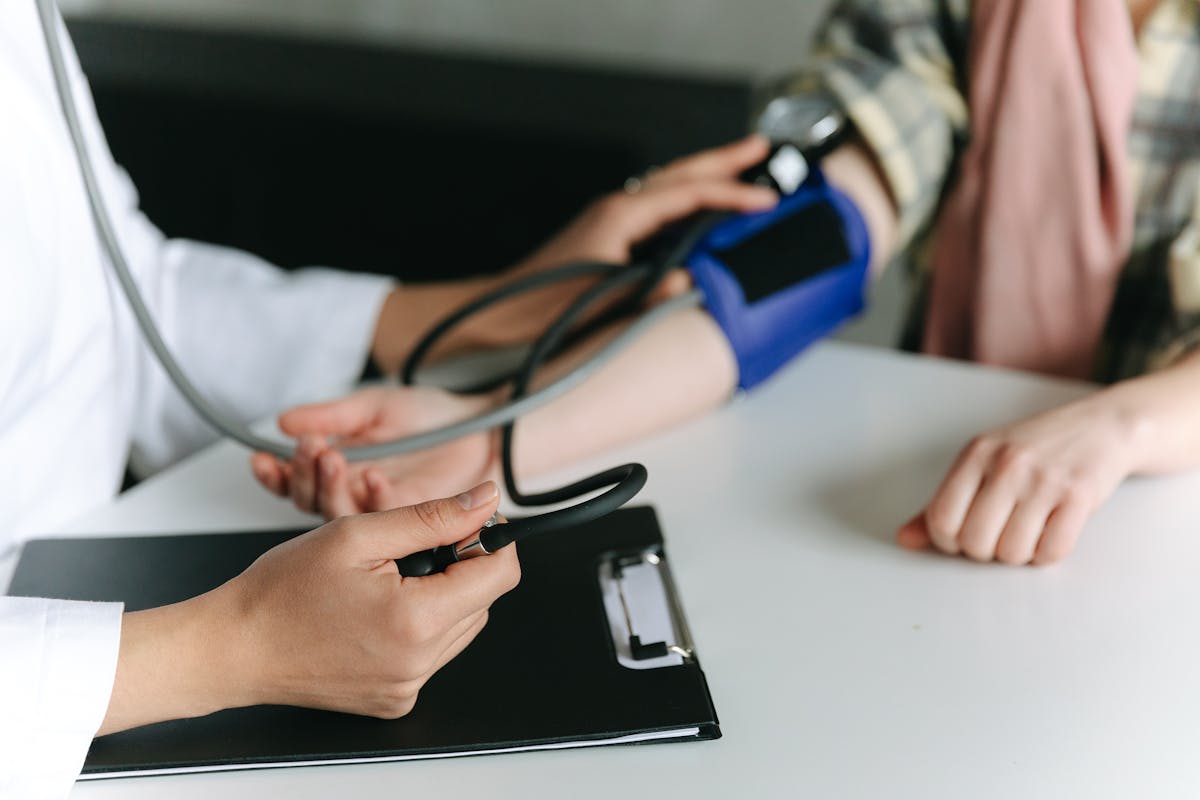
When appropriate and authorized, the team can help loved ones understand the detox process and recommendations for continued care.

Planning for continued treatment begins before discharge so clients have a clearer path forward once acute withdrawal stabilizes.
Medical detox is designed to address acute withdrawal and stabilization. Before discharge, the clinical team can recommend an appropriate next level of care based on ongoing needs. The dedicated rehabilitation and treatment pages explain those services in greater detail.
Residential treatment may be recommended when a person needs a structured setting after stabilization.
Outpatient care may be appropriate for people who are medically stable and can participate in treatment while living outside the facility.
Live Again Detox combines medical oversight, individualized treatment planning, and a comfortable Nashville setting designed to help clients begin recovery with dignity and support.
Medical providers, clinicians, nurses, therapists, and recovery professionals work together to support stabilization and continued treatment planning.
When clinically appropriate, medications may be used early in detox to help manage withdrawal symptoms and support stabilization.
Care is individualized around the substances involved, withdrawal history, health needs, mental health symptoms, and recovery goals.
A calm environment gives clients space to rest and stabilize during the earliest stage of recovery.
Planning begins before discharge so clients have a clearer path into continued treatment and relapse-prevention support.
Clients receive around-the-clock medical and nursing support during detox so changes in symptoms can be identified and addressed.
Live Again Detox is located at 1618 17th Ave S, Nashville, TN 37212 on Historic Music Row. Our Nashville medical detox center serves adults from Davidson County and communities across Middle Tennessee.
Admissions can discuss whether this Nashville location is appropriate, what information to have ready, insurance benefits, availability, and arrival arrangements. People from surrounding Middle Tennessee communities can contact the team before traveling.
This page is educational and does not replace an individualized medical assessment. Withdrawal risks differ by substance and person, and treatment recommendations should be made by qualified healthcare professionals.
Medical detox is a structured withdrawal-management process in which healthcare professionals assess and monitor symptoms while helping a person stabilize after stopping or reducing alcohol or drug use.
Medical detox may be appropriate if you experience withdrawal when stopping, have significant physical dependence, have previously had severe withdrawal, use multiple substances, have important medical or psychiatric conditions, or have been unable to stop safely on your own. An individualized assessment is the best way to determine the appropriate level of care.
The team assesses withdrawal concerns related to alcohol, opioids, fentanyl, benzodiazepines, prescription drugs, stimulants, and multiple substances. The appropriate setting and care plan depend on clinical assessment.
The length of medical detox varies according to the substance, degree of dependence, health history, other substances or medications, and response to treatment. Live Again Detox provides separate substance-specific detox resources for more detailed withdrawal information.
Trying to predict withdrawal severity without medical guidance can be risky. Alcohol and benzodiazepine withdrawal can become life-threatening, and other substances can cause significant physical or psychiatric symptoms. A professional assessment can help determine whether supervised detox is appropriate.
They may be. Medication decisions depend on the substance and individual clinical needs. Treatment may include substance-specific withdrawal medications, tapering strategies, comfort medications, hydration, nutritional support, and treatment for co-occurring symptoms when clinically appropriate.
After stabilization, many people continue into residential treatment, outpatient care, therapy, dual diagnosis treatment, medication management, peer support, relapse-prevention planning, and aftercare. Detox addresses acute withdrawal, while continued treatment addresses the broader factors involved in addiction and recovery.
Live Again Detox is located at 1618 17th Ave S, Nashville, TN 37212 on Historic Music Row and serves Nashville and communities throughout Middle Tennessee.
Many commercial insurance plans include benefits for medically necessary substance use treatment. Coverage varies by plan, network, deductible, authorization requirements, and clinical need. Live Again Detox can verify benefits confidentially before admission.
If you are concerned about withdrawal or are unsure whether medical detox is the right starting point, our admissions team can discuss the substances involved, current symptoms, previous withdrawal, insurance benefits, treatment availability, and possible next steps.
If you are experiencing a medical emergency, call 911 or go to the nearest emergency department.


Addiction Statistics in Dickson County
Claim: Tennessee, including Dickson County, faces high rates of substance abuse, with opioid misuse (especially fentanyl and oxycodone) contributing to most overdose deaths.
Reference:
Tennessee Department of Health. (2023). Tennessee drug overdose deaths report. https://www.tn.gov/health
Centers for Disease Control and Prevention. (2022). Drug overdose deaths by state. U.S. Department of Health & Human Services. https://www.cdc.gov/drugoverdose
Understanding Substance Use Disorder (SUD)
Claim: Substance use disorder is a chronic but treatable condition that alters brain function and behavior, requiring evidence-based interventions.
Reference:
National Institute on Drug Abuse. (2020). The science of drug use and addiction: The basics. National Institutes of Health. https://nida.nih.gov/publications/drugfacts/understanding-drug-use-addiction
Types of Treatment Options Available
Claim: Treatment in Dickson County includes medical detox, residential care, intensive outpatient programs (IOP), and outpatient counseling to address varying levels of need.
Reference:
American Society of Addiction Medicine. (2020). The ASAM criteria: Treatment criteria for addictive, substance-related, and co-occurring conditions (4th ed.). Rockville, MD: Author.
Substance Abuse and Mental Health Services Administration. (2023). Treatment approaches for drug addiction. U.S. Department of Health & Human Services. https://www.samhsa.gov/find-treatment
Medication-Assisted Treatment (MAT)
Claim: MAT with medications such as buprenorphine, methadone, and naltrexone is proven to reduce withdrawal, cravings, and relapse in opioid addiction.
Reference:
Substance Abuse and Mental Health Services Administration. (2024). Medications for opioid use disorder. U.S. Department of Health & Human Services. https://www.samhsa.gov/medications-substance-use-disorders/medications-counseling-related-conditions
Supportive Services & Community Resources
Claim: Peer support groups, family counseling, and local recovery organizations in Dickson County provide ongoing recovery support.
Reference:
SAMHSA. (2023). Recovery and recovery support. U.S. Department of Health & Human Services. https://www.samhsa.gov/find-help
Mayo Clinic. (2024). Substance use disorder: Diagnosis and treatment. Mayo Foundation for Medical Education and Research. https://www.mayoclinic.org/diseases-conditions/substance-use-disorder/diagnosis-treatment/drc-20365112
Continuing Care & Relapse Prevention
Claim: Long-term recovery requires ongoing outpatient therapy, relapse prevention planning, and access to community-based supports.
Reference:
National Institute on Drug Abuse. (2023). Recovery from addiction: A lifelong process. National Institutes of Health. https://nida.nih.gov/research-topics/treatment-recovery
Get Family Support Now
We understand addiction affects the whole family. Our comprehensive family program helps rebuild trust and restore relationships.
Weekly Family Therapy Sessions
Educational Workshops
Support Groups
Communication Skills Training



Hear directly from those who have walked the path to recovery at Live Again Detox. Our patients’ stories highlight the compassionate care, effective programs, and life-changing support they’ve experienced. Let their journeys inspire you as you take your first steps toward healing.