
Expert Medical Team
Our care team coordinates medical stabilization and clinical treatment for people experiencing addiction alongside mental health symptoms.

Live Again Detox provides integrated dual diagnosis treatment in Nashville, TN for adults experiencing both substance use and co-occurring mental health conditions. At our treatment center on Historic Music Row, medical and clinical professionals coordinate addiction treatment with support for conditions such as anxiety, depression, PTSD, trauma-related symptoms, bipolar disorder, and mood instability.
For people who need withdrawal management first, care can begin with medical detox in Nashville and continue into residential or outpatient treatment based on clinical needs. We serve Nashville and communities throughout Middle Tennessee, including Brentwood, Franklin, Murfreesboro, Smyrna, Hendersonville, Gallatin, Lebanon, and Clarksville.
Our Nashville dual diagnosis program coordinates substance use treatment and mental health support within one individualized plan. An assessment helps determine whether a person needs medically supervised withdrawal management, residential treatment, psychiatric evaluation, medication support, or continued outpatient services. Admissions can discuss treatment fit, insurance benefits, and the next available assessment.
Dual diagnosis, also known as co-occurring disorders, describes a condition where a person experiences both a substance use disorder and a mental health disorder at the same time. These conditions often interact closely and can worsen one another if left untreated.
According to national addiction and mental health research, millions of adults in the United States experience both conditions simultaneously each year. Co-occurring disorders are especially common among individuals struggling with trauma, chronic anxiety, depression, alcohol addiction, opioid dependence, and stimulant abuse.
Treating addiction without addressing mental health symptoms often leads to relapse because unresolved anxiety, trauma, depression, panic attacks, or emotional instability may continue driving substance use behaviors long after detox ends.
Some people entering treatment report previous recovery attempts in which co-occurring mental health symptoms remained unresolved. Integrated care can help clients better understand the relationship between mental health symptoms, emotional triggers, cravings, and substance use while building a more complete relapse-prevention plan.
Anxiety, trauma, depression, mood instability, and emotional distress can intensify cravings and increase relapse risk when left untreated.
Treating both conditions together provides stronger emotional stability, healthier coping skills, improved relapse prevention, and more sustainable recovery outcomes.
Symptoms of co-occurring disorders can vary significantly depending on the substances involved, mental health symptoms present, and severity of addiction. Families often notice emotional, behavioral, and lifestyle changes before someone seeks treatment.
Frequent shifts between depression, anxiety, irritability, emotional numbness, anger, or hopelessness.
Pulling away from loved ones, avoiding responsibilities, or losing interest in previously enjoyable activities.
Using alcohol or drugs to cope with emotional pain, stress, trauma, panic, insomnia, or mental health symptoms.
Explore Medical DetoxReturning to substance use after rehab because underlying psychiatric symptoms were not properly treated.
Explore Aftercare SupportStruggles with work, finances, relationships, responsibilities, hygiene, sleep, or emotional regulation.
Substance use despite consequences, unsafe decisions, emotional outbursts, or reckless behavior patterns.
Many mental health disorders commonly occur alongside addiction. Proper diagnosis and treatment planning are essential because untreated psychiatric symptoms often contribute to continued substance use.
Depression may contribute to hopelessness, isolation, fatigue, suicidal thoughts, and increased alcohol or drug use.
Explore Depression TreatmentIndividuals struggling with chronic anxiety or panic attacks may misuse alcohol, benzodiazepines, or other substances to temporarily relieve symptoms.
Explore Anxiety TreatmentTrauma can significantly increase addiction risk, especially when substances are used to numb flashbacks, nightmares, emotional distress, or hypervigilance.
Explore Trauma TherapyMood instability, impulsive behavior, depressive episodes, and manic symptoms may contribute to substance misuse and relapse risk.
Explore Bipolar TreatmentEffective dual diagnosis treatment requires therapies that address both the psychological and behavioral components of addiction and mental health disorders simultaneously.
CBT helps clients recognize negative thought patterns, emotional triggers, and behaviors contributing to substance use and mental health symptoms.
Learn More About CBTDBT teaches emotional regulation, distress tolerance, mindfulness, communication skills, and healthier coping strategies.
Explore DBT & Mental Health CareTrauma-focused care helps individuals safely process painful experiences while reducing retraumatization and emotional overwhelm.
Learn MorePsychiatric medication management may help stabilize symptoms of anxiety, depression, bipolar disorder, PTSD, or panic disorders during recovery.
At Live Again Detox, clients receive individualized treatment planning based on their mental health history, substance use patterns, trauma background, withdrawal symptoms, medical needs, and long-term recovery goals.
Comprehensive mental health assessments help identify co-occurring disorders, emotional triggers, trauma history, and stabilization needs.
When necessary, medically supervised detox helps clients safely stabilize during withdrawal while receiving 24/7 monitoring and support.
Learn MoreClients participate in one-on-one therapy sessions focused on emotional healing, relapse prevention, trauma recovery, and coping skill development.
Small therapeutic groups encourage peer support, accountability, communication, and recovery-focused connection.
Family support can help repair trust, improve communication, and strengthen long-term recovery outcomes.
Explore Family SupportRecovery planning helps clients transition into continued care with structure, relapse prevention strategies, and ongoing support.
Learn MoreYes. When substance dependence and mental health symptoms occur together, the first step may be medically supervised detox if withdrawal could create health or safety concerns. Detox focuses on physical stabilization while the treatment team also evaluates mental health symptoms, medication needs, trauma history, previous treatment experiences, and the appropriate next level of care.
At Live Again Detox, our Nashville medical detox program provides 24/7 monitoring and individualized withdrawal support. After stabilization, clients may transition into residential treatment, PHP, IOP, or another appropriate level of continuing care.
If you are looking for dual diagnosis rehab in Nashville, the first step is a confidential conversation about substance use, current mental health symptoms, medications, previous treatment, and any immediate withdrawal or safety concerns. Our admissions team can explain whether an assessment for integrated addiction and mental health treatment is appropriate and help you understand insurance verification before admission.
Share your concerns about alcohol or drug use, depression, anxiety, trauma, or other co-occurring symptoms. The team can explain the evaluation and admissions process without assuming a diagnosis over the phone.
Insurance benefits, medical necessity, withdrawal risk, and clinical assessment help determine the appropriate treatment setting. Ask about residential treatment in Nashville and continuing-care options when appropriate.
Speak with admissions about dual diagnosis treatment availability, medical detox when needed, residential care, and insurance benefits. Clinical assessments determine the appropriate level of care.
All calls are confidential and answered by trained admissions professionals.
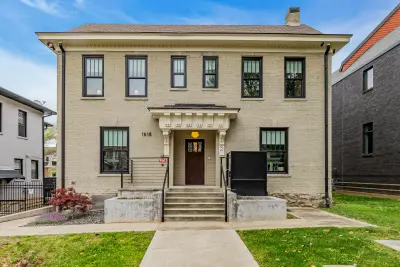
Live Again Detox is located at 1618 17th Ave S, Nashville, TN 37212 on Historic Music Row. Our Nashville location provides access to addiction and mental health treatment for adults throughout Davidson County and the greater Middle Tennessee region.
We regularly serve people seeking treatment from Nashville, Brentwood, Franklin, Murfreesboro, Smyrna, Hendersonville, Gallatin, Lebanon, Clarksville, and surrounding Tennessee communities. If travel is a concern, our admissions team can discuss arrival logistics, available treatment options, and what to expect before admission.
Live Again Detox combines addiction treatment with coordinated mental health support so substance use, psychiatric symptoms, trauma history, relapse risk, and recovery goals can be addressed within one individualized treatment plan.
Our care team coordinates medical stabilization and clinical treatment for people experiencing addiction alongside mental health symptoms.

When clinically appropriate, medications may be used early in the detox process to help ease withdrawal symptoms and support safe stabilization.
Explore Medical Detox
Treatment planning is individualized around each client’s substance use history, mental health needs, medical concerns, withdrawal symptoms, and long-term recovery goals.

A calm, comfortable environment gives clients space to rest, stabilize, and focus on recovery during the earliest stages of treatment.
Discharge planning helps clients prepare for the next level of care with relapse-prevention strategies, ongoing support, and a clearer recovery plan.
Explore Aftercare Support
Clients receive around-the-clock monitoring and support during detox, stabilization, and early treatment so changes in symptoms can be addressed promptly.
Medically supervised detox and withdrawal management for alcohol dependence.
Learn MoreStructured inpatient addiction treatment with 24/7 support and therapy.
Learn MoreOngoing relapse prevention and recovery support after treatment.
This page is educational and does not replace an individualized medical or psychiatric assessment. Dual diagnosis treatment planning should consider substance use history, withdrawal risk, psychiatric symptoms, trauma history, medications, medical needs, safety concerns, relapse risk, and the appropriate level of care.
Dual diagnosis refers to someone experiencing both a substance use disorder and a mental health condition at the same time. Common co-occurring conditions include depression, anxiety disorders, PTSD, bipolar disorder, panic disorder, and trauma-related disorders. Effective treatment addresses both conditions together through coordinated medical, psychiatric, and therapeutic care.
Treating addiction without addressing mental health symptoms often leads to relapse because unresolved emotional distress may continue driving substance use behaviors. Integrated dual diagnosis treatment helps individuals stabilize mentally, emotionally, and physically while building healthier coping skills and relapse prevention strategies.
Individuals who struggle with both addiction and symptoms such as depression, anxiety, panic attacks, trauma, emotional instability, insomnia, or mood swings may benefit from dual diagnosis treatment. Many people also seek integrated care after previous rehab attempts failed to address underlying mental health conditions.
Treatment often includes Cognitive Behavioral Therapy, Dialectical Behavior Therapy, trauma-informed therapy, psychiatric support, medication management, group therapy, family therapy, relapse prevention planning, and holistic wellness support.
Yes. Substance use can intensify anxiety, depression, trauma symptoms, panic attacks, mood instability, sleep problems, and emotional distress. Likewise, untreated mental health symptoms can increase cravings and contribute to continued substance use.
After treatment, clients may continue care through outpatient therapy, psychiatric care, support groups, residential treatment, relapse prevention planning, sober support systems, and aftercare programming designed to strengthen long-term recovery.
Live Again Detox is located at 1618 17th Ave S, Nashville, TN 37212 on Historic Music Row. The treatment center serves Nashville and surrounding Middle Tennessee communities, including Brentwood, Franklin, Murfreesboro, Smyrna, Hendersonville, Gallatin, Lebanon, and Clarksville.
Many commercial health insurance plans include benefits for substance use and mental health treatment when care is medically necessary. Coverage varies by plan, network, deductible, authorization requirements, and level of care. Live Again Detox can verify your benefits confidentially before admission and explain available treatment options.
Yes, when detox is clinically appropriate. People who are physically dependent on alcohol, benzodiazepines, opioids, or other substances may need medically supervised withdrawal management before transitioning into residential or outpatient dual diagnosis treatment. The appropriate starting point is determined through an individualized assessment.
The appropriate level of care depends on withdrawal risk, medical stability, psychiatric symptoms, relapse risk, living environment, and previous treatment. Care may begin with medical detox and continue through residential treatment, PHP, IOP, standard outpatient care, or aftercare based on an individualized assessment.
Yes. When clinically appropriate, dual diagnosis treatment can incorporate trauma-informed therapy and support for PTSD alongside addiction treatment so trauma symptoms and substance-use patterns are addressed together.


Centers for Disease Control and Prevention. (2022). Benzodiazepines. https://www.fda.gov/drugs/drug-safety-and-availability/fda-requiring-boxed-warning-updated-improve-safe-use-benzodiazepine-drug-class
Mayo Clinic. (2022). Benzodiazepine withdrawal: Symptoms and treatment. https://www.mayoclinic.org/diseases-conditions/drug-addiction/symptoms-causes/syc-20365112
National Institute on Drug Abuse. (2022). Benzodiazepines and opioid overdose deaths. https://nida.nih.gov/publications/research-reports/benzodiazepines
Substance Abuse and Mental Health Services Administration. (2022). 2021–2022 National Survey on Drug Use and Health: Detailed Tables. https://www.samhsa.gov/data/report/2024-nsduh-detailed-tables
U.S. Food and Drug Administration. (2022). FDA Drug Safety Communication: Boxed warning on benzodiazepines. https://www.fda.gov/drugs/drug-safety-and-availability/fda-requiring-boxed-warning-updated-improve-safe-use-benzodiazepine-drug-class/
Get Family Support Now
We understand addiction affects the whole family. Our comprehensive family program helps rebuild trust and restore relationships.
Weekly Family Therapy Sessions
Educational Workshops
Support Groups
Communication Skills Training


Hear directly from those who have walked the path to recovery. Our patients’ stories highlight the compassionate care, effective programs, and life-changing support they’ve experienced. Let their journeys inspire you as you take your first steps toward healing.