Private Nashville Setting
Our Historic Music Row location provides a comfortable, discreet environment for stabilization and continued treatment.

Substance use does not always fit neatly into a single drug category. Some people alternate between substances, combine drugs and alcohol, use prescription and illicit substances together, or are unsure what was actually in the drugs they used. These patterns can make treatment needs more complex.
Live Again Detox provides individualized substance abuse rehab in Nashville with particular attention to polysubstance use, mixed substance patterns, co-occurring mental health concerns, relapse risk, and the transition from stabilization into continued recovery. For a broad overview of all rehabilitation services, visit our Drug and Alcohol Rehab in Nashville page.
Polysubstance use means using more than one substance, either at the same time or within the same general period. Examples can include opioids with benzodiazepines, cocaine with alcohol, prescription medications with illicit drugs, or changing between stimulants and depressants.
Treatment planning becomes more complex when substances have different withdrawal patterns, effects, risks, and reasons for use. A person may also be trying to manage anxiety, trauma, pain, insomnia, depression, or other concerns through different substances. Effective rehab therefore starts with the complete pattern of use rather than treating one drug in isolation.
When one substance is clearly driving the problem, a more specific rehabilitation page can provide deeper information. When several substances are involved, the treatment plan should account for the full pattern rather than separating each drug into an unrelated problem.
Recovery can address stimulant cravings, sleep disruption, mood changes, motivation, triggers, and rebuilding healthy routines.
Explore Meth Rehab →Treatment focuses on cocaine and crack use patterns, binge-crash cycles, cravings, behavioral triggers, and relapse prevention.
Explore Cocaine Rehab →Continued treatment after stabilization can address anxiety, sleep, coping skills, psychiatric needs, and recovery without benzodiazepine misuse.
Explore Benzo Rehab →Alprazolam-specific treatment addresses the behavioral and mental health needs that may continue after withdrawal stabilization.
Explore Xanax Rehab →Treatment can address problematic use of prescription opioids, benzodiazepines, stimulants, and other medications.
Explore Prescription Drug Rehab →Heroin and fentanyl recovery may involve medication for opioid use disorder, overdose-risk reduction, behavioral treatment, and long-term relapse prevention.
Two people who use the same substances may still need different treatment. Clinical planning considers which substances are involved, frequency and amount of use, withdrawal history, overdose history, mental and physical health, medications, home environment, previous treatment, and recovery goals.
Clients receive structured support and monitoring from compassionate medical, clinical, and recovery professionals.
Experienced clinicians guide treatment using evidence-based approaches tailored to each client’s history and needs.
Integrated treatment addresses depression, anxiety, trauma, PTSD, bipolar disorder, and other concerns that may contribute to substance use.
Explore Dual Diagnosis CareTherapeutic support helps clients explore and address trauma without shame, judgment, or retraumatization.
Explore Trauma TherapySome people need medically supervised withdrawal management before rehab. Detox addresses immediate withdrawal and stabilization rather than the behavioral work of rehabilitation.
Explore Medical DetoxResidential care offers structured, round-the-clock support with therapy, education, holistic services, and recovery-focused routines.
Explore Residential TreatmentPHP provides intensive daytime treatment for people who need substantial structure but can safely return home or to supportive housing at night.
Explore PHP →IOP offers several structured treatment sessions each week while allowing clients to maintain more work, school, or family responsibilities.
Explore IOPAftercare supports the transition from intensive treatment into daily life through therapy, support groups, alumni services, medication follow-up, and relapse prevention.
Explore AftercareDual-diagnosis care treats substance use and co-occurring mental health disorders together rather than addressing them separately.
Explore Dual Diagnosis CareCBT helps clients identify harmful thought patterns, understand triggers, and develop healthier responses to stress, cravings, and difficult emotions.
Explore CBTDBT emphasizes emotional regulation, mindfulness, distress tolerance, and healthier interpersonal skills.
Individual therapy provides focused clinical support, while group counseling builds connection, accountability, and shared learning.
Family sessions help rebuild trust, improve communication, establish healthier boundaries, and strengthen recovery support.
Explore Family TherapyTrauma-informed care helps clients safely address experiences that may contribute to emotional pain and substance use.
Explore Trauma TherapyMindfulness, yoga, art, movement, nutrition, recreation, and stress-management practices can support whole-person healing.
When several substances are involved, stopping use is only one part of recovery. Rehab helps identify what each substance was doing in a person’s life, which situations trigger use, how mental health symptoms affect cravings, and what coping strategies can replace the old pattern.
Detox addresses the immediate physical crisis, but residential and outpatient treatment help clients rebuild emotional stability, daily routines, relationships, and confidence. Recovery becomes more sustainable when treatment addresses the entire person rather than focusing only on abstinence.
At Live Again Detox near Nashville, clients may participate in individual counseling, group therapy, psychiatric evaluation, relapse-prevention planning, family services, medication support when clinically appropriate, and recovery-focused life-skills development.
People who repeatedly return to substance use may benefit from greater structure, separation from triggers, and stronger continuing-care planning.
Explore AftercareResidential care can provide stability when the current living situation includes substance use, conflict, instability, or limited support.
Explore Residential TreatmentPeople with depression, anxiety, trauma, PTSD, bipolar disorder, or other mental health concerns may benefit from integrated care.
Explore Dual Diagnosis CarePolysubstance use, long-term addiction, severe cravings, or medical complications may require a more intensive level of support.
Residential treatment may help when substance use has significantly disrupted employment, relationships, health, or basic responsibilities.
A structured environment can help clients build coping skills and emotional stability before returning to greater independence.
After detox or residential treatment, many clients transition into PHP, IOP, standard outpatient therapy, sober living, or community-based recovery support. These services provide continued accountability while clients gradually return to work, school, family responsibilities, and independent living.
PHP and IOP provide regular therapy, education, and support while allowing increasing independence.
Explore Outpatient TreatmentAA, NA, SMART Recovery, recovery coaching, and other peer-led services can reduce isolation and reinforce accountability.
Ongoing counseling, alumni programs, sober living, medication management, and recovery activities help maintain progress after formal treatment.
Explore AftercareOur Historic Music Row location provides a comfortable, discreet environment for stabilization and continued treatment.

Thoughtfully designed spaces support rest, connection, and participation in treatment without an institutional feel.

Nutritious meals and wellness-focused routines help support physical recovery as clients rebuild daily stability.

Treatment planning considers substance-use patterns, mental health, medical needs, previous treatment, family circumstances, and recovery goals.

Individual, group, and family services help clients understand patterns, practice coping skills, and strengthen recovery support.
Explore Family Therapy →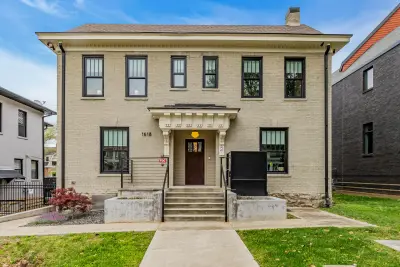
Continuing-care planning helps connect treatment gains with outpatient care, peer support, medication follow-up, and relapse prevention.
Explore Aftercare →Addiction affects the entire family. Our family program helps rebuild trust, restore relationships, improve communication, and prepare loved ones to support recovery in healthier ways.
Structured sessions provide space for honest communication, healing, accountability, and healthier boundaries.
Explore Family TherapyFamilies learn about substance use disorders, withdrawal, relapse, mental health, treatment, and long-term recovery.
Loved ones practice healthier communication and learn how to provide support without enabling harmful behavior.
Live Again Detox is located at 1618 17th Ave S, Nashville, TN 37212 in the Historic Music Row area. Admissions can help people in Nashville and surrounding Middle Tennessee communities understand treatment options, insurance benefits, and the appropriate next step.
Connect with a compassionate admissions coordinator who understands addiction and the challenges involved in seeking help.
We review substance use, medical history, withdrawal risk, mental health concerns, and treatment goals.
Our team checks benefits and explains coverage, authorization requirements, and possible out-of-pocket costs.
Verify Your BenefitsIf treatment is appropriate, we help coordinate admission and explain what to bring and what to expect.
This page is educational and does not replace individualized medical advice, diagnosis, or treatment. Substance use, withdrawal, mental health concerns, and level-of-care recommendations should be evaluated by qualified healthcare professionals.
If you are experiencing an emergency, including overdose, severe withdrawal complications, suicidal thoughts, loss of consciousness, trouble breathing, or an immediate risk to yourself or others, call 911 immediately. Never attempt to discontinue substance use or begin detox without appropriate medical guidance.
Recovery is possible with the right care and support. Contact Live Again Detox for confidential admissions guidance, insurance verification, and help identifying the appropriate level of treatment.
Substance abuse rehab provides structured treatment for substance use disorders and the behavioral, emotional, mental health, relationship, and relapse risks that can continue after a person stops using drugs or alcohol.
Yes. When alcohol, opioids, stimulants, benzodiazepines, prescription medications, or other substances are used together or during the same period, treatment planning can address the complete pattern rather than focusing on only one drug.
Polysubstance use generally refers to using more than one substance, either together or within the same period. Combining substances can change intoxication, withdrawal, overdose risk, mental health symptoms, and treatment needs.
No. Detox focuses on withdrawal management and physical stabilization. Rehab addresses the behavioral and psychological aspects of substance use, coping skills, mental health, relationships, relapse prevention, and continued recovery.
Tell the treatment team as much as you know about what you took, how it was obtained, how often it was used, and when it was last used. Clinical assessment can help determine immediate safety needs and an appropriate treatment plan.
When co-occurring mental health concerns are present, an integrated treatment plan may address conditions such as anxiety, depression, trauma, PTSD, or other psychiatric needs alongside the substance use disorder.
Recommendations depend on factors such as substances used, withdrawal and overdose history, medical and psychiatric needs, previous treatment, relapse risk, home environment, recovery support, and current stability.
Depending on individual needs, continued care may include PHP, IOP, outpatient therapy, medication management, peer recovery support, sober living, family services, and aftercare planning.
Many commercial insurance plans include behavioral health and substance use disorder benefits, but coverage varies. Live Again Detox can verify benefits and explain available coverage before admission.
Live Again Detox is located at 1618 17th Ave S, Nashville, TN 37212 in the Historic Music Row area.


Claim: Substance abuse involves the harmful use of alcohol, prescription medications, or illicit drugs, leading to dependence and health consequences.
Mayo Clinic. (2024). Drug addiction (substance use disorder): Symptoms and causes. Mayo Foundation for Medical Education and Research. https://www.mayoclinic.org/diseases-conditions/drug-addiction/symptoms-causes/syc-20365112
American Psychiatric Association. (2022). Substance use disorders. In Diagnostic and statistical manual of mental disorders (5th ed., text rev.). Washington, DC: Author.
2. Signs & Symptoms of Substance Use Disorder
Claim: Common symptoms include cravings, withdrawal, risky behaviors, and interference with work, school, and relationships.
National Institute on Drug Abuse. (2023). Commonly used drugs and their effects. National Institutes of Health. https://nida.nih.gov/research-topics/commonly-used-drugs-charts
Mayo Clinic. (2024). Drug addiction (substance use disorder): Symptoms and causes. Mayo Foundation for Medical Education and Research. https://www.mayoclinic.org/diseases-conditions/drug-addiction/symptoms-causes/syc-20365112
Claim: Medical detox, therapy, and structured treatment programs are essential to address withdrawal and long-term recovery.
Substance Abuse and Mental Health Services Administration. (2024). Treatment for substance use disorders. U.S. Department of Health & Human Services. https://www.samhsa.gov/find-treatment
American Society of Addiction Medicine. (2020). The ASAM criteria: Treatment criteria for addictive, substance-related, and co-occurring conditions (4th ed.). Rockville, MD: Author.
Claim: Evidence-based care often includes counseling, behavioral therapy, support groups, and treatment for co-occurring disorders.
National Institute on Drug Abuse. (2020). Principles of drug addiction treatment: A research-based guide (3rd ed.). National Institutes of Health. https://nida.nih.gov/publications/principles-drug-addiction-treatment-research-based-guide-third-edition
American Society of Addiction Medicine. (2020). The ASAM criteria: Treatment criteria for addictive, substance-related, and co-occurring conditions (4th ed.). Rockville, MD: Author.
Claim: Substance abuse affects families, communities, and public health; recovery requires long-term support and relapse prevention strategies.
Centers for Disease Control and Prevention. (2024). Substance use and public health. U.S. Department of Health & Human Services. https://www.cdc.gov/overdose-prevention/
National Institute on Drug Abuse. (2020). Principles of drug addiction treatment: A research-based guide (3rd ed.). National Institutes of Health. https://nida.nih.gov/publications/principles-drug-addiction-treatment-research-based-guide-third-edition

Get Family Support Now
We understand addiction affects the whole family. Our comprehensive family program helps rebuild trust and restore relationships.
Weekly Family Therapy Sessions
Educational Workshops
Support Groups
Communication Skills Training