Small-Group Support
Smaller groups support meaningful clinical attention, peer connection, accountability, and stronger participation in treatment.

If you or someone you love is struggling with addiction to alcohol, opioids, benzodiazepines, stimulants, or other substances, you do not have to choose between getting help and keeping your life running. Live Again Detox offers a comprehensive Intensive Outpatient Program (IOP) in Nashville, TN, with structured, evidence-based addiction treatment that works around your schedule.
Our IOP provides clinical depth with the flexibility needed to continue work, school, family responsibilities, and everyday life. Many commercial insurance plans may include benefits for this level of care.
An Intensive Outpatient Program provides more support than standard weekly therapy while allowing clients to return home each evening. Treatment can help clients build practical recovery skills while remaining connected to work, school, family, and community responsibilities.
An Intensive Outpatient Program is a structured level of substance use treatment designed for people who need more clinical support than standard weekly therapy can provide but who do not require around-the-clock residential care. IOP commonly includes several treatment days per week with multiple hours of programming each day.
Clients engage in group therapy, individual counseling, relapse-prevention education, evidence-based skills training, and support for co-occurring mental health needs. Our Nashville IOP can support recovery from alcohol, prescription opioids, fentanyl, benzodiazepines, methamphetamine, cocaine, prescription medications, and polysubstance use.
Clients return home each evening, allowing them to continue work, school, family responsibilities, and other important commitments while receiving structured treatment.
The coping tools developed in treatment can be practiced immediately at home, at work, and in relationships, helping clients build confidence in real-life situations.
Your journey begins with a thorough clinical evaluation of substance use history, mental health, medical needs, home environment, and treatment goals. If medical detox is needed first, our team can help coordinate the transition.
Explore Medical DetoxAttend therapy several days per week. Sessions can combine group therapy, individual counseling, psychoeducation, and practical skills training in a structured setting.
Return home each evening and practice what you have learned in everyday life while remaining connected to your family, job, school, and community.
As you progress, the treatment team can help you transition into standard outpatient care and connect with long-term recovery resources.
Explore AftercareMorning and evening session options can make it possible to receive quality care while maintaining employment, attending school, or meeting family responsibilities.
Smaller group settings can help clients feel seen, heard, and supported while building trust, peer connection, and shared accountability.
Substance use and co-occurring mental health concerns are treated together through coordinated care that may include psychiatric evaluation, medication management, and specialized therapy.
Explore Dual Diagnosis CareFor opioid use disorder, medication options such as buprenorphine products, naltrexone, or Vivitrol may be coordinated when clinically appropriate.
Explore Opioid TreatmentFamily therapy and education help loved ones understand recovery, establish healthy boundaries, rebuild trust, and become part of a stable support system.
Explore Family TherapyClients learn to recognize triggers, manage cravings, respond to high-risk situations, and create individualized relapse-prevention strategies.
Mindfulness, breathwork, movement, sleep hygiene, nutrition, and stress-management strategies can support whole-person healing.
Every therapeutic approach is tailored to individual recovery goals, mental health needs, history, and progress in treatment.
CBT helps clients identify and reshape thought patterns that contribute to substance use while developing healthier responses to stress and cravings.
Explore CBTDBT builds emotional regulation, distress tolerance, mindfulness, and interpersonal effectiveness.
EMDR, Cognitive Processing Therapy, and other trauma-focused approaches may be used when clinically appropriate to help clients process trauma safely.
Explore Trauma TherapyPrinciples of accountability, community, and personal growth may be supported through connection with Nashville-area AA, NA, and other peer-support meetings.
Motivational approaches can strengthen internal motivation, reduce ambivalence, and help clients build confidence in recovery.
Family therapy addresses communication, boundaries, relationship patterns, and sustainable support for long-term recovery.
Explore Family TherapyOur IOP can support individuals recovering from a wide range of substance use disorders once medical stability and the appropriate level of care have been established.
Treatment for alcohol use disorder can address cravings, relapse risk, behavior patterns, emotional health, and relationship challenges associated with drinking.
Explore Alcohol DetoxSupport for heroin, fentanyl, oxycodone, hydrocodone, and other opioid use disorders may include therapy, medication coordination, and overdose-prevention planning.
Explore Opioid DetoxOngoing care can support recovery from Xanax, Klonopin, Valium, and similar medications after withdrawal has been safely managed.
Explore Benzo DetoxTreatment can address methamphetamine, cocaine, and other stimulant use disorders through behavioral care, relapse prevention, and mental health support.
Explore Drug DetoxCare can address prescription medication misuse involving pain medications, sedatives, stimulants, and other medications.
Explore Prescription Drug RehabIntegrated treatment can support people who use multiple substances or have complex recovery and mental health needs.
Our clinical team can help determine whether detox, residential treatment, PHP, IOP, or standard outpatient care is the safest and most appropriate next step.
Recovery is a progression. IOP can serve as one step within a broader continuum so clients can move forward without unnecessary gaps in support.
Medically supervised withdrawal management for alcohol, opioids, benzodiazepines, and other substances.
Explore Medical DetoxIntensive daytime programming for clients who need more clinical structure than IOP without an overnight residential stay.
Explore PHPStructured outpatient treatment several days per week while the client continues living at home or in another stable recovery environment.
Explore IOPOngoing counseling, medication management, peer support, and recovery services with greater independence.
Explore Outpatient CareLong-term community, accountability, support, and connection can help clients maintain progress after formal treatment ends.
Explore AftercareOur Nashville IOP may be appropriate when you need structured clinical support but can safely continue living at home.
You completed detox, residential treatment, or PHP and are ready for a less intensive level of care while maintaining clinical support.
You have a safe, supportive, substance-free environment where you can practice recovery skills between treatment sessions.
You need treatment that allows you to remain engaged in employment, education, parenting, or other important responsibilities.
You need integrated support for addiction alongside anxiety, depression, trauma, PTSD, bipolar disorder, or other mental health concerns.
Explore Dual Diagnosis CareStandard outpatient therapy does not provide enough structure, accountability, or clinical contact for your current recovery needs.
You are prepared to attend consistently, practice recovery skills between sessions, and participate actively in treatment and accountability.
Keep working, attending school, and staying connected with family while receiving structured addiction treatment.
Apply coping strategies in your real environment instead of waiting until treatment ends to face everyday triggers and responsibilities.
Remain close to family, friends, and community support throughout treatment while strengthening recovery relationships.
Many insurance plans may cover medically necessary IOP services. Admissions can verify benefits and explain available coverage.
Verify Your BenefitsIOP can create a structured bridge between intensive levels of care and more independent daily living.
Explore AftercareLive Again Detox combines individualized treatment planning, evidence-based therapy, and a supportive Nashville environment designed to help clients build recovery while remaining connected to daily life.
Smaller groups support meaningful clinical attention, peer connection, accountability, and stronger participation in treatment.

Treatment plans reflect substance use history, mental health needs, previous care, living environment, responsibilities, and recovery goals.

Care can be coordinated across detox, residential treatment, PHP, IOP, outpatient services, and aftercare as clinical needs change.

A calm, respectful setting can help clients stay engaged while building healthier routines and greater independence.

Nutrition, movement, mindfulness, stress management, and other wellness services can complement evidence-based addiction treatment.
Step-down and aftercare planning help clients move toward greater independence with continued structure and recovery support.
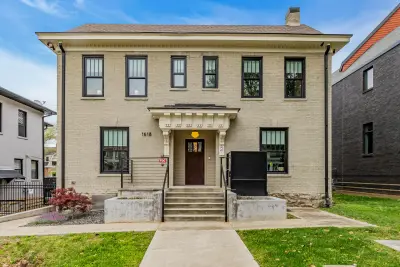
Explore AftercareLive Again Detox is located at 1618 17th Ave S, Nashville, TN 37212 on Historic Music Row. Our admissions team can help people from Nashville and surrounding Middle Tennessee communities understand available treatment options and determine whether IOP or another level of care may be appropriate.
This page is educational and does not replace an individualized clinical assessment. Placement in IOP, PHP, residential treatment, detox, or another level of care should be based on medical stability, withdrawal risk, mental health needs, relapse risk, recovery environment, and other clinical factors.
Our Nashville IOP is designed to provide care, flexibility, and support without requiring you to put daily life completely on hold. Admissions can answer questions, verify insurance, and help determine whether IOP or another level of care is the right next step.
If you are experiencing a medical or psychiatric emergency, call 911 or go to the nearest emergency department.
An Intensive Outpatient Program is a structured level of addiction treatment that provides multiple treatment sessions each week while allowing clients to live at home or in another stable recovery environment.
IOP schedules vary by program and clinical need. The page describes treatment three to five days per week with sessions lasting three or more hours per day.
No. PHP generally provides more treatment hours and greater clinical intensity. IOP is typically a lower-intensity step-down level for clients who are stable enough for greater independence.
IOP may be appropriate for people who have completed detox or residential treatment, have a stable recovery environment, need more support than standard weekly therapy, and can safely participate while living outside the facility.
Often, yes. IOP is designed to provide structured care while allowing clients to continue work, school, family responsibilities, and other important commitments.
Programming may include individual counseling, group therapy, cognitive behavioral therapy, dialectical behavior therapy, trauma-informed therapy, motivational interviewing, family systems therapy, 12-step integration, relapse prevention, and recovery-skills training.
Yes. Dual-diagnosis treatment can address substance use alongside anxiety, depression, trauma, PTSD, bipolar disorder, and other behavioral health concerns.
Medication support may be coordinated when clinically appropriate. For opioid use disorder, options may include buprenorphine products, naltrexone, or Vivitrol based on medical assessment.
Clients may transition into standard outpatient therapy, medication follow-up, peer support, alumni services, recovery coaching, or other continuing-care resources.
Many commercial insurance plans include benefits for medically necessary outpatient substance use treatment. Coverage varies by plan, network, deductible, authorization requirements, and medical necessity.


Tennessee Department of Mental Health and Substance Abuse Services. (2024). Annual overdose report. https://www.tn.gov/behavioral-health.html
Centers for Disease Control and Prevention. (2023). Opioid overdose: Understanding the epidemic. https://www.cdc.gov/opioids/
Substance Abuse and Mental Health Services Administration. (2023). National survey on drug use and health: Tennessee data summary. https://www.samhsa.gov/data
National Institute on Drug Abuse. (2023). Common comorbidities with substance use disorders. https://nida.nih.gov/publications
U.S. Department of Health & Human Services. (2023). Mental Health Parity and Addiction Equity Act (MHPAEA). https://www.hhs.gov/programs/topic-sites/mental-health-parity/index.html
U.S. Department of Health & Human Services. (2023). 988 Suicide & Crisis Lifeline. https://988lifeline.org/

Get Family Support Now
We understand addiction affects the whole family. Our comprehensive family program helps rebuild trust and restore relationships.
Weekly Family Therapy Sessions
Educational Workshops
Support Groups
Communication Skills Training