


How Long Does It Take to Sleep Normally After Quitting Alcohol?
Sleep may begin improving within weeks after quitting alcohol, but some people experience disrupted sleep for several months. There is no universal recovery deadline. Your drinking history, withdrawal risk, mental health, and preexisting sleep problems all matter.
This guide explains what changes to expect, ways to support better sleep, and when to seek professional assessment—without replacing a full alcohol withdrawal guide.
If you may be physically dependent on alcohol, seek medical advice before stopping abruptly.
Why Is It Hard to Sleep After Quitting Alcohol?
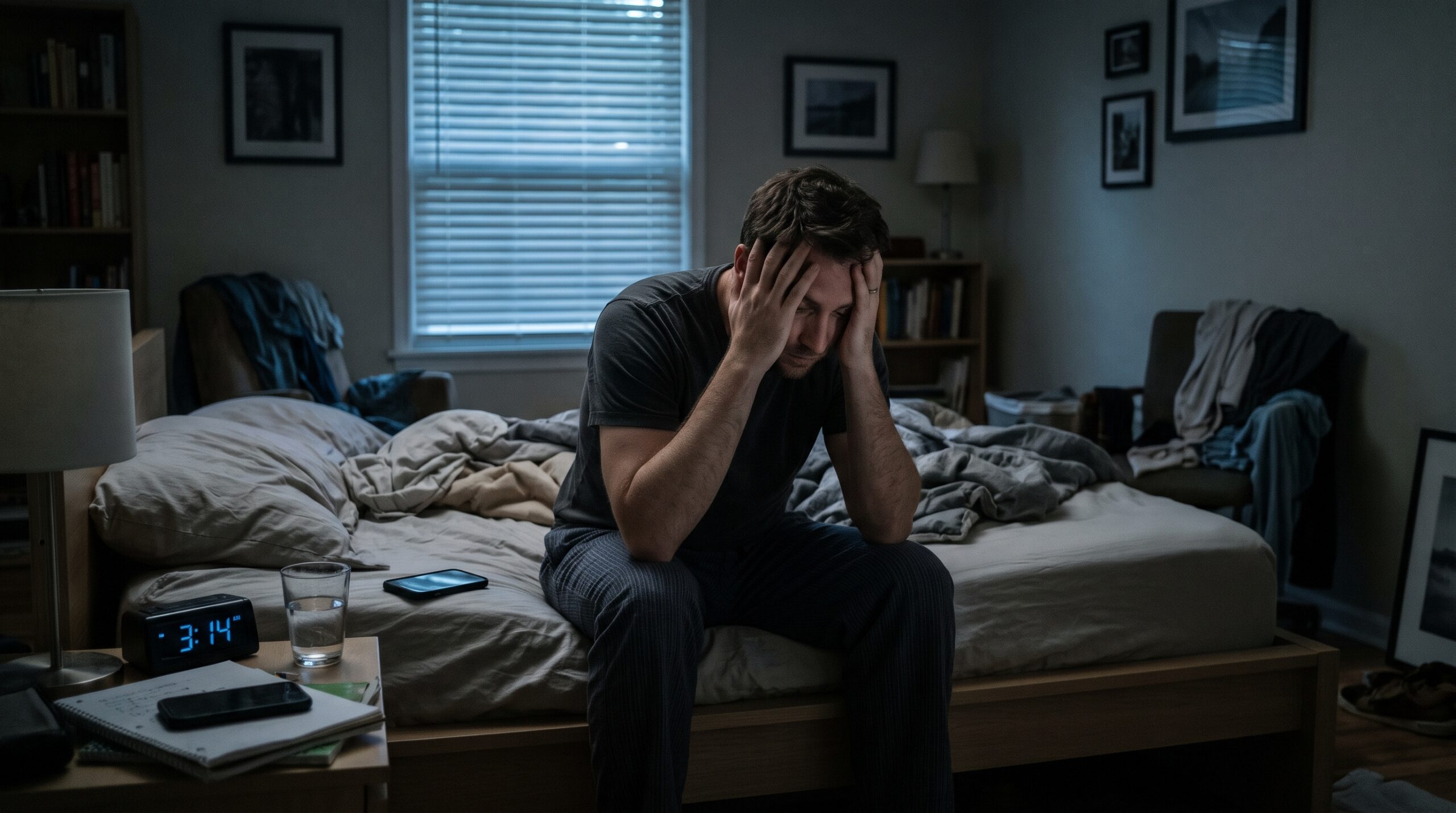
Alcohol can make you feel sleepy at first while disrupting sleep later in the night. It can contribute to repeated awakenings, changes in normal sleep stages, and poor sleep quality. With frequent heavy drinking, the nervous system adapts to alcohol. Sleep may remain unsettled while the body adjusts after alcohol use stops.
Common experiences include difficulty falling asleep, waking during the night, vivid dreams, early waking, and daytime fatigue. These symptoms can occur during withdrawal or persist beyond the initial withdrawal period.
Safety first: Insomnia alone cannot tell you whether withdrawal is dangerous. People who may be physically dependent on alcohol should seek medical guidance before stopping. Seizures, severe confusion, or hallucinations require emergency medical attention.
How Long Does It Take for Sleep to Improve?
Improvement varies widely. These are possible patterns, not guaranteed milestones or a medical withdrawal schedule.
Sleep may be disrupted by withdrawal symptoms, restlessness, anxiety, or frequent waking. Withdrawal can require medical supervision.
Some people begin to sleep more consistently; others still have insomnia or unusually vivid dreams.
Sleep quality may improve gradually, although falling asleep or staying asleep can remain difficult.
Some people feel more rested. Persistent insomnia or fatigue may warrant assessment for another condition.
One difficult night after several better nights does not necessarily mean recovery has stopped. If sleep loss is severe or affects daily functioning, speak with a healthcare professional.
Does Sleep Get Worse Before It Gets Better?
For some people, yes. Alcohol’s sedating effects can mask poor-quality sleep. After drinking stops, heightened alertness, anxiety, and disrupted sleep patterns may become more noticeable. Sleep improvement is often uneven rather than a straight line.
Do not treat severe sleeplessness accompanied by agitation, confusion, hallucinations, or other concerning symptoms as ordinary recovery. Seek prompt medical evaluation, particularly after prolonged heavy alcohol use.
Why Can Insomnia Continue for Months?
Alcohol-related changes are only one possible explanation. Persistent sleep difficulties may involve several overlapping factors:
- Sleep regulation: The brain and body’s sleep patterns may take time to readjust.
- Mental health: Anxiety, depression, stress, and distressing dreams can interfere with rest.
- Other sleep disorders: Sleep apnea, restless legs syndrome, and chronic insomnia may need separate evaluation.
- Medications and substances: Caffeine, nicotine, some medications, and other substances can affect sleep.
- Changing routines: Treatment schedules, stress, and unfamiliar evening habits may affect consistency.
Persistent insomnia does not automatically mean permanent damage. A clinician can assess other treatable causes.
What Happens to REM Sleep and Deep Sleep?
Alcohol can disrupt the normal organization of sleep, including rapid eye movement (REM) sleep and other stages. After quitting, sleep architecture may gradually change, and some people notice vivid dreams or changes in dream recall.
Dream intensity does not show whether REM sleep has fully recovered. Likewise, sleeping more hours does not always mean sleep quality has normalized. If symptoms persist, a professional assessment may help identify what is interfering with rest.
What Can Help You Sleep Better During Alcohol Recovery?

Healthy sleep habits can support recovery, but they are not a substitute for medically supervised withdrawal care or treatment for a sleep disorder.
Keep a regular schedule
Try to wake at roughly the same time each day and establish a consistent bedtime routine.
Get daylight and activity
Daytime light and appropriate physical activity can help support your sleep-wake rhythm.
Watch caffeine timing
Consider limiting afternoon or evening caffeine if it makes sleep harder.
Make evenings calmer
Use a comfortable sleep environment and relaxing, low-stimulation activities before bed.
Do not return to drinking to make yourself sleepy. Alcohol can worsen sleep quality and undermine recovery. Ask a clinician about cognitive behavioral therapy for insomnia (CBT-I) if sleep problems persist. Do not begin sedatives, sleep medications, or supplements to manage alcohol withdrawal without medical guidance.
When Should You Seek Medical Help for Sleep Problems?
Consider an assessment if insomnia lasts for weeks, significantly affects daytime functioning, increases urges to drink, or occurs alongside anxiety or depression. Also ask about evaluation if you snore loudly, wake gasping, or feel excessively sleepy despite enough time in bed.
Emergency warning: Alcohol withdrawal can cause life-threatening complications. Seek emergency care for seizures, severe confusion, hallucinations, or other serious symptoms. If you may be dependent on alcohol, ask for medical guidance before stopping or sharply reducing intake.
Learn about alcohol detox in Nashville and signs that medical detox may be needed. Those resources address withdrawal and treatment assessment in greater depth.
Why Does Better Sleep Matter for Long-Term Recovery?
Poor sleep can make concentration, mood regulation, and daily functioning harder. Addressing sleep concerns as part of treatment can support overall well-being and ongoing recovery engagement.
Depending on individual needs, care may include medical evaluation, counseling, treatment for co-occurring mental health conditions, and evidence-based insomnia treatment. Live Again Detox can discuss assessment for alcohol dependence and appropriate next steps; sleep recovery itself is not a fixed-length detox process.
Frequently Asked Questions About Sleep After Quitting Alcohol
How long does insomnia last after quitting alcohol?
Some people improve within days or weeks, while others experience sleep problems for months. Persistent symptoms deserve evaluation.
Will I sleep better after 30 days without alcohol?
You may notice improvement, but 30 days is not a guarantee. Recovery depends on individual health and drinking history.
Why do I wake up at 3 a.m. after quitting alcohol?
Nighttime waking can reflect changes in sleep regulation, anxiety, or another sleep disorder. The clock time alone does not identify the cause.
Are vivid dreams normal after quitting drinking?
They can occur as sleep patterns change. Persistent nightmares or significant distress should be discussed with a professional.
Can alcohol withdrawal cause insomnia?
Yes. Difficulty sleeping can be a withdrawal symptom, but withdrawal can also cause serious complications requiring medical care.
Can I take melatonin after quitting alcohol?
Ask a healthcare professional first, especially if you recently stopped heavy drinking, have withdrawal symptoms, or take other medications.
Does alcohol permanently damage sleep?
Persistent sleep symptoms do not necessarily mean permanent damage. Other treatable conditions may be contributing.
When should I worry about not sleeping after quitting alcohol?
Seek medical advice for severe, prolonged, or function-limiting insomnia. Seek urgent care for serious withdrawal symptoms.
Medical disclaimer: This article is educational and is not a substitute for individualized medical advice. Alcohol withdrawal may require medical supervision. Call 911 for a medical emergency.
Get Help With Alcohol Dependence in Nashville, Tennessee
Difficulty sleeping after quitting alcohol can be frustrating. If you are concerned about alcohol dependence, Live Again Detox can help you explore assessment, medically supervised withdrawal care when appropriate, and continuing treatment options.
Live Again Detox
1618 17th Avenue South
Nashville, TN 37212
(629) 465-4224


-
Addiction Statistics in Dickson County
Claim: Tennessee, including Dickson County, faces high rates of substance abuse, with opioid misuse (especially fentanyl and oxycodone) contributing to most overdose deaths.
Reference:
Tennessee Department of Health. (2023). Tennessee drug overdose deaths report. https://www.tn.gov/health
Centers for Disease Control and Prevention. (2022). Drug overdose deaths by state. U.S. Department of Health & Human Services. https://www.cdc.gov/drugoverdose
-
Understanding Substance Use Disorder (SUD)
Claim: Substance use disorder is a chronic but treatable condition that alters brain function and behavior, requiring evidence-based interventions.
Reference:
National Institute on Drug Abuse. (2020). The science of drug use and addiction: The basics. National Institutes of Health. https://nida.nih.gov/publications/drugfacts/understanding-drug-use-addiction
-
Types of Treatment Options Available
Claim: Treatment in Dickson County includes medical detox, residential care, intensive outpatient programs (IOP), and outpatient counseling to address varying levels of need.
Reference:
American Society of Addiction Medicine. (2020). The ASAM criteria: Treatment criteria for addictive, substance-related, and co-occurring conditions (4th ed.). Rockville, MD: Author.
Substance Abuse and Mental Health Services Administration. (2023). Treatment approaches for drug addiction. U.S. Department of Health & Human Services. https://www.samhsa.gov/find-treatment
-
Medication-Assisted Treatment (MAT)
Claim: MAT with medications such as buprenorphine, methadone, and naltrexone is proven to reduce withdrawal, cravings, and relapse in opioid addiction.
Reference:
Substance Abuse and Mental Health Services Administration. (2024). Medications for opioid use disorder. U.S. Department of Health & Human Services. https://www.samhsa.gov/medications-substance-use-disorders/medications-counseling-related-conditions
-
Supportive Services & Community Resources
Claim: Peer support groups, family counseling, and local recovery organizations in Dickson County provide ongoing recovery support.
Reference:
SAMHSA. (2023). Recovery and recovery support. U.S. Department of Health & Human Services. https://www.samhsa.gov/find-help
Mayo Clinic. (2024). Substance use disorder: Diagnosis and treatment. Mayo Foundation for Medical Education and Research. https://www.mayoclinic.org/diseases-conditions/substance-use-disorder/diagnosis-treatment/drc-20365112
-
Continuing Care & Relapse Prevention
Claim: Long-term recovery requires ongoing outpatient therapy, relapse prevention planning, and access to community-based supports.
Reference:
National Institute on Drug Abuse. (2023). Recovery from addiction: A lifelong process. National Institutes of Health. https://nida.nih.gov/research-topics/treatment-recovery





Get Family Support Now
Supporting Families Through Recovery
We understand addiction affects the whole family. Our comprehensive family program helps rebuild trust and restore relationships.
Weekly Family Therapy Sessions
Educational Workshops
Support Groups
Communication Skills Training
Get Family Support Now



Yes, Your Insurance Covers Detox and Rehab Treatment
What Our Patients Say
Hear directly from those who have walked the path to recovery at Live Again Detox. Our patients’ stories highlight the compassionate care, effective programs, and life-changing support they’ve experienced. Let their journeys inspire you as you take your first steps toward healing.