12 Step Program In Nashville, TN

Starting the journey to recovery can be both exciting and daunting. At Live Again Detox, we understand the challenges and triumphs that come with overcoming addiction. Our 12-step program in Nashville, TNis central to our treatment approach, crafted to help individuals achieve and maintain long-term sobriety. For those seeking a 12-step program in Nashville, TN our program seamlessly incorporates these vital steps into a thorough treatment plan that meets both immediate and ongoing needs. We are dedicated to supporting every step of your recovery journey.

Understanding the 12-Step Program

The 12-Step Program is a structured framework that has been instrumental in the recovery process for many people. Developed by Alcoholics Anonymous (AA) in the 1930s, these steps provide a pathway for individuals to address their addiction, develop a supportive community, and cultivate personal growth. At Live Again Detox, we embrace these principles and integrate them into our comprehensive treatment approach.

The 12 Steps: A Closer Look

  • Step 1: Admit Powerlessness

    “We admitted we were powerless over alcohol—that our lives had become unmanageable.”

    This step involves recognizing that addiction has taken over one’s life and admitting the need for help. Accepting powerlessness is the first step toward seeking and embracing recovery.

  • Step 2: Believe in a Higher Power

    “Came to believe that a Power greater than ourselves could restore us to sanity.”

    Individuals begin to trust in a higher power or force beyond themselves. This belief is crucial as it provides strength, guidance, and a sense of hope.

  • Step 3: Surrender to the Higher Power

    “Made a decision to turn our will and our lives over to the care of God as we understood Him.”

    This step involves committing to surrender control and seek guidance from a higher power. It’s about trusting something greater for support and direction.

  • Step 4: Conduct a Personal Inventory

    “Made a searching and fearless moral inventory of ourselves.”

    Individuals reflect on their past behaviors and actions. This step helps identify where they have strayed from their values and highlights necessary changes.

  • Step 5: Admit Wrongdoings

    “Admitted to God, to ourselves, and to another human being the exact nature of our wrongs.”

    Sharing these insights with a trusted person helps to alleviate feelings of guilt and shame, fostering honesty and emotional healing.

  • Step 6: Readiness for Change

    “We’re entirely ready to have God remove all these defects of character.”

    This step is about preparing mentally and emotionally to let go of negative traits and behaviors, which is crucial for making lasting improvements.

  • Step 7: Humbly Ask for Removal

    “Humbly asked Him to remove our shortcomings.”

    Seeking help to overcome personal shortcomings with humility and openness is the focus. This step emphasizes asking for support in making meaningful changes.

  • Step 8: List Amends

    “Made a list of all persons we had harmed, and became willing to make amends to them all.”

    Identifying those who have been harmed and preparing to make amends is essential for repairing relationships. This step underscores the importance of taking responsibility.

  • Step 9: Make Amends

    “Made direct amends to such people wherever possible, except when to do so would injure them or others.”

    Actively seeking to make amends with those harmed, while being mindful of potential impacts, helps rebuild trust and repair relationships.

  • Step 10: Continue Personal Inventory

    “Continued to take personal inventory and when we were wrong, promptly admitted it.”

    Regular self-reflection maintains awareness and accountability, encouraging ongoing personal growth and ensuring individuals stay on track with their recovery.

  • Step 11: Seek Spiritual Growth

    “Sought through prayer and meditation to improve our conscious contact with God as we understood Him, praying only for knowledge of His will for us and the power to carry that out.”

    Enhancing spiritual connection through prayer and meditation supports personal growth and helps individuals understand and fulfill their higher purpose.

  • Step 12: Carry the Message

    “Having had a spiritual awakening as the result of these steps, we tried to carry this message to others, and to practice these principles in all our affairs.”

    Sharing one’s journey and experience with others helps reinforce recovery and contributes to the community’s well-being. This step emphasizes giving back and integrating principles into daily life.

Why the 12 Steps Work

The 12-step Program works because it provides a comprehensive approach to addressing addiction. It helps individuals understand their addiction, take responsibility for their actions, and seek support from a higher power and community. Research supports the effectiveness of the 12 steps in promoting long-term sobriety. Research shows that participation in 12-step programs is associated with significant improvements in substance use outcomes and increased social support.

The steps are effective because they foster personal responsibility, emotional healing, and spiritual growth. They also build a sense of community and support, which is essential for maintaining sobriety. The structured framework and supportive environment help individuals navigate the challenges of recovery and stay committed to their goals.

This study provides a comprehensive meta-analysis of the effectiveness of 12-step programs, including detailed statistics and evidence on their impact on substance use disorders.

The 12-Step Program as Part of a Comprehensive Treatment Approach

At Live Again Detox, the 12-step program is a vital part of a broader treatment plan. We understand that overcoming addiction often requires more than just following the steps. Our 12-step rehab in Nashville integrates these essential steps into a comprehensive approach that encompasses various levels of care and additional support services to address every aspect of recovery.

Levels of Care

    What Sets Live Again Detox Apart: Premium Amenities & Personalized Care

    State-Of-The-Art Facility

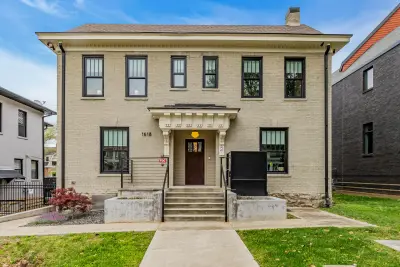
    Immerse yourself in a high‑end, boutique five‑star hotel experience with elegantly appointed rooms, personalized wellness amenities, gourmet chef‑crafted meals, discreet concierge services, and an atmosphere designed to nurture recovery and rejuvenation.

    Luxury Bedrooms

    Retreat to our luxurious bedrooms featuring full-sized Tempur-Pedic mattresses for personalized comfort, complemented by in-room televisions for seamless entertainment, creating a serene and rejuvenating haven designed to support your wellness journey.

    Dedicated Private Chef

    A dedicated private chef crafts three tailored meals daily—nutritious, elevated gourmet dishes designed to nourish your body and uplift your spirit, perfectly complementing your recovery journey with fresh, wholesome, nourishing cuisine.

    Fun and Games

    Unwind with PlayStation and Xbox gaming consoles, relax in our movie theater room, and challenge friends to ping pong, cornhole, shuffleboard, or pool—all designed for your fun, personal healing, and connection.

    Clinician & Medical Owned & Operated

    At Live Again Detox, our team includes master-level clinicians and a registered dietician, offering 24/7 medical care and nursing support, weekly individual therapy sessions, and daily consultations with a medical provider to ensure comprehensive recovery.

    Family Therapy Sessions

    Our compassion‑driven family therapy sessions foster healing, empowering loved ones with supportive, holistic evidence‑based counseling to rebuild trust, strengthen lasting bonds, and navigate recovery together in a truly nurturing, understanding environment.

    Weekly Outings

    Experience the vibrant heart of Nashville during Outings Week at Live Again Detox’s Music Row location. Explore iconic recording studios, meet industry insiders, and immerse yourself in live performances—fueling your recovery with inspiration and community.

    Twice‑Weekly Individual Therapy

    Clients engage in two individual therapy sessions per week, fostering consistent emotional support and guidance. Structured approach promotes sustained progress, accountability, and resilience, empowering individuals to navigate recovery with therapeutic care.

    Small Groups, Big Recovery

    We prioritize individualized attention by limiting each session to just twelve clients. This intimate setting fosters tailored support, meaningful connections, and superior clinical care, empowering participants on their journey to recovery.

    Caring Support Beyond Treatment:

    Live Again Detox offers aftercare planning to help clients maintain long-term sobriety after treatment. Their programs provide continued support, relapse prevention strategies, and connections to community resources.

    FAQ: 12-Step Rehab in Nashville, TN

    What is a 12-step rehab program, and how does it support recovery?

    A 12-step rehab program is a structured approach to addiction treatment that combines professional care with the principles of 12-step recovery. The 12-step framework emphasizes accountability, personal growth, and ongoing support through a recovery community. In a rehab setting, this approach is often integrated into the daily schedule so clients can begin learning the steps, understand how the process works, and build habits that support long-term sobriety.

    A major benefit of a 12-step model is connection. Addiction often leads to isolation, secrecy, and shame. The 12-step structure encourages openness, honesty, and shared experience in ways that reduce the sense of being alone. Rehab also provides guidance on how to use the steps as a practical tool, not just a concept. That includes learning how sponsorship works, how meetings are structured, and how daily recovery actions can support stability.

    In treatment, the 12-step framework is typically paired with therapy, relapse prevention education, and structured routines that help clients stabilize. The goal is to help someone move from active addiction into a lifestyle built around recovery principles, supportive relationships, and consistent accountability.

    How does 12-step rehab differ from non-12-step treatment approaches?

    The main difference is the role of the 12-step philosophy in the recovery process. In 12-step rehab, clients are introduced to the spiritual and community-based principles of programs like Alcoholics Anonymous and Narcotics Anonymous as a central part of treatment. This framework focuses on humility, personal inventory, making amends, and daily commitment to recovery through ongoing participation in meetings and peer support.

    Non-12-step approaches may focus more heavily on clinical and behavioral frameworks without the spiritual structure of the steps. These programs may emphasize evidence-based therapies as the primary method for understanding and changing addiction behaviors. Some people prefer a non-12-step approach if they want treatment that does not involve spiritual language or meeting-based recovery.

    However, many rehab programs blend both. A 12-step rehab program can still incorporate evidence-based therapy while using the steps to reinforce accountability and community connection. The choice often depends on personal preference, beliefs, and what style of support feels most motivating. Some people thrive with the structure of the steps and the idea of lifelong recovery community, while others prefer a different framework. What matters most is choosing a program that keeps you engaged and supported long enough for real change to take root.

    What happens in a 12-step rehab program day to day?

    A typical day in 12-step rehab includes a structured schedule that blends therapy, group work, education, and step-focused recovery activities. Many programs incorporate 12-step meetings, discussion groups, and guidance on how to apply step principles to real-life situations. This helps clients learn how to use the 12-step framework as a daily recovery practice rather than something they only think about occasionally.

    Clients often participate in group therapy sessions where they process emotions, triggers, and relapse risks while building accountability with peers. Individual therapy sessions may also be included so clients can explore deeper issues that contribute to addiction. Education sessions often cover topics like cravings, triggers, emotional regulation, and relapse prevention, helping people understand addiction and how to respond differently under stress.

    In addition to clinical and step-focused work, many rehab programs include supportive routines such as healthy meals, rest periods, and wellness activities. The structure is meant to reduce chaos and help the person rebuild stability. Over time, clients begin practicing daily recovery habits that can continue after discharge, including meeting attendance, reaching out for support, and using coping tools instead of substances.

    What are the 12 steps, and do you have to complete them during rehab?

    The 12 steps are a set of principles designed to guide people through recovery and personal transformation. They focus on acknowledging the impact of addiction, building accountability, making changes in behavior, repairing relationships, and maintaining ongoing growth through continued spiritual and personal development. Many people experience the steps as a structured roadmap that helps them rebuild their lives with honesty and humility.

    In rehab, you do not usually “complete” all 12 steps during your stay. Rehab is often too short to fully work through each step in depth. Instead, treatment typically introduces the steps, helps you understand what each one means, and guides you through early foundational steps that set the stage for continued work after discharge. Rehab may also help you understand how sponsorship works and how step work continues through regular participation in meetings.

    The purpose is to get you started, not to rush the process. Step work is often described as a long-term recovery practice rather than a checklist. By the time you leave rehab, the goal is that you understand the framework, feel connected to support, and have a plan for continuing your step work in the community.

    How does sponsorship work, and why is it emphasized in 12-step rehab?

    Sponsorship is a key part of 12-step recovery because it connects a newer person in recovery with someone who has more experience staying sober and working the steps. A sponsor provides guidance, accountability, and encouragement. In early recovery, people often feel overwhelmed and uncertain, and sponsorship helps reduce that isolation by giving someone a direct point of contact when cravings or stress rise.

    In 12-step rehab, sponsorship may be introduced by teaching clients how to find a sponsor, what qualities to look for, and how the relationship typically works. Sponsorship is not meant to be therapy, and it is not a replacement for professional treatment. Instead, it is peer-based guidance that helps someone apply the steps in daily life and stay connected to the recovery community after leaving rehab.

    Sponsorship is emphasized because it creates continuity. Rehab is temporary, but recovery needs ongoing support. When someone leaves treatment with a sponsor or a plan to find one, they are less likely to feel alone during early sobriety. Having someone who understands recovery challenges and can offer practical guidance can help protect sobriety during stressful situations and reduce relapse risk.

    Is a 12-step rehab program religious, and what if I’m not spiritual?

    A common concern is that 12-step recovery is religious. The 12-step model is often described as spiritual, not tied to one specific religion. The language includes references to a “Higher Power,” but people interpret this concept in different ways. Some connect it to traditional faith, while others view it as a broader sense of purpose, community, or a power greater than themselves. The idea is meant to support humility and openness to change, not force a specific belief system.

    In many programs, clients are encouraged to define spirituality in a way that feels authentic and comfortable. People who are not religious can still benefit from 12-step rehab by focusing on the practical elements: honesty, accountability, making amends, building support, and maintaining consistent recovery actions. Many individuals participate in 12-step recovery while holding secular beliefs, and they still find the structure and community helpful.

    The most important factor is whether the approach helps you stay engaged and supported. If you are unsure, it can be helpful to explore how the program presents the 12 steps and whether it allows flexibility in how spirituality is understood. A supportive treatment environment should respect your beliefs while still guiding you through the recovery framework in a way that feels meaningful and usable.

    How does 12-step rehab help with relapse prevention after treatment ends?

    Relapse prevention is strengthened when a person leaves treatment with a support system and daily recovery habits. 12-step rehab helps with this by connecting clients to a community that continues after discharge. Many people relapse after treatment because they return to the same stressors and triggers without consistent support. The 12-step model offers ongoing structure through meetings, sponsorship, and peer connection.

    Meetings provide regular accountability and remind people they are not alone. Sponsorship provides direct guidance when cravings or emotional distress increase. Step work encourages ongoing self-reflection and personal responsibility, which helps people notice relapse warning signs earlier rather than waiting until a crisis point. The program also encourages building a recovery network, so people have multiple contacts to reach out to instead of relying on one person or trying to handle cravings alone.

    Relapse prevention is also supported through lifestyle change. 12-step recovery often encourages daily routines that protect sobriety, including consistent meeting attendance, service work, and avoiding high-risk environments. These actions help create a recovery-centered life. When people continue these practices after treatment, sobriety becomes more stable because it is supported by community, accountability, and intentional daily choices.

    What should someone look for when choosing a 12-step rehab program in Nashville?

    When choosing a 12-step rehab program, it helps to look for a place that blends the 12-step framework with professional clinical care. A strong program does more than send clients to meetings. It provides therapy, relapse prevention education, and emotional support alongside step-based programming, creating a balanced approach that treats both the behavior and the deeper drivers of addiction.

    Consider how the program introduces meetings and step work. Some programs incorporate daily meetings and structured step study groups, while others emphasize sponsorship and community connection before discharge. It can be helpful to choose a program that prepares you to continue 12-step recovery after treatment through practical planning, such as helping you find meetings in your area and understand sponsorship.

    Also consider the level of medical support, especially if detox is needed. A program that provides safe, medically supported detox and then transitions smoothly into rehab can make the process more manageable. Finally, look for aftercare planning that includes ongoing support options. The best 12-step rehab experience should leave you not only sober, but connected, supported, and prepared to maintain recovery in daily life.

    12 Step Program & Peer Recovery Support in Nashville, Tennessee | Live Again Detox

    Live Again Detox incorporates 12 Step program principles and peer recovery support into addiction treatment in Nashville, Tennessee. The 12 Step model — the foundation of Alcoholics Anonymous, Narcotics Anonymous, and related programs — has helped millions of individuals achieve and maintain sobriety and remains one of the most widely validated frameworks in long-term addiction recovery.

    The 12 Step model works in large part because of peer connection — the experience of sharing one’s story with others who have faced similar struggles and found a path forward. This community-based accountability addresses the isolation that commonly accompanies addiction in ways that clinical treatment alone cannot. Long-term engagement with 12 Step programs is associated with significantly improved sobriety rates.

    At Live Again Detox near Nashville, 12 Step principles are integrated into our residential program alongside evidence-based clinical therapies. Clients are introduced to the 12 Step framework through facilitated group work, peer connection, and education about the recovery community available to them after discharge. Clients who prefer alternative frameworks such as SMART Recovery are fully supported as well.

    Upon discharge, our team connects clients with local AA, NA, and other peer support meetings as part of their personalized aftercare plan — helping them build the community connections that sustain sobriety long after formal treatment ends.

    Contact Live Again Detox today to learn how our 12 Step integrated program supports lasting recovery near Nashville.


    Disclaimer – Clinical & Safety-Focused

    The information presented on Live Again Detox website pages is intended solely for general educational and informational purposes related to addiction treatment, medical detoxification, rehabilitation services, and recovery support. This content is not intended to serve as medical advice, diagnosis, treatment planning, or a substitute for professional medical care. Substance use disorders are complex medical conditions that require individualized evaluation by qualified healthcare professionals.

    Detoxification and rehabilitation needs vary widely based on the type of substance used, duration and frequency of use, physical health, mental health history, co-occurring disorders, and other individual factors. Information discussing detox timelines, withdrawal symptoms, medications, or treatment approaches is generalized and may not apply to every individual. Treatment decisions should always be made in consultation with licensed physicians, addiction specialists, or behavioral health providers.

    If you or someone you love is experiencing a medical emergency — including but not limited to overdose, seizures, loss of consciousness, breathing difficulties, chest pain, suicidal thoughts, or violent behavior — call 911 immediately or go to the nearest emergency room. Live Again Detox does not provide emergency medical services through this website, and no online content should delay urgent medical intervention.

    Attempting to detox from alcohol, opioids, benzodiazepines, or other substances without medical supervision can be dangerous and potentially life-threatening. Withdrawal symptoms can be unpredictable and severe. Any detox-related information provided is for awareness only and should never replace professional medical oversight.

    Information regarding insurance coverage, treatment costs, or payment options is provided for general guidance purposes only. Insurance benefits vary by carrier, policy, state regulations, and medical necessity determinations. Coverage information is not guaranteed and may change without notice. Live Again Detox strongly encourages individuals to contact our admissions team directly to verify insurance benefits, eligibility, and coverage prior to making treatment decisions.

    While reasonable efforts are made to ensure accuracy, Live Again Detox makes no warranties regarding the completeness or timeliness of website content. Healthcare regulations, clinical standards, and insurance policies evolve regularly. Reliance on any information provided is at your own risk.

    This website may include references or links to third-party resources for informational purposes. Such references do not constitute endorsements. Live Again Detox is not responsible for external content, services, or policies.

    Use of this website does not establish a provider-patient relationship. Contacting Live Again Detox does not guarantee admission or treatment. Recovery outcomes vary and are never guaranteed.

    Disclaimer – Recovery-Oriented & Educational

    The content available on Live Again Detox pages is designed to provide educational information related to addiction, detoxification, rehabilitation, and recovery. This information should not be interpreted as professional medical advice or treatment recommendations.

    Addiction treatment is highly individualized. Detox and rehab needs vary significantly based on health history, substance use patterns, and mental health considerations. Information provided is general and may not apply to all individuals.

    If an emergency arises — such as overdose, severe withdrawal symptoms, or immediate danger — call 911 without delay. Online resources are not a substitute for emergency medical care.

    Medical detox should always be conducted under professional supervision. Attempting detox without medical oversight can be dangerous.

    Insurance information is provided as general guidance only. Coverage varies by plan and carrier. Live Again Detox encourages all individuals to verify benefits directly with admissions staff.

    Recovery outcomes are not guaranteed. Treatment effectiveness depends on many factors including engagement, clinical needs, and aftercare support.

    References to external resources do not imply endorsement. Live Again Detox is not responsible for third-party content.

    Website use does not establish a provider-patient relationship.

    Sustaining Sobriety and Building a New Life at Our 12-Step Rehab in Nashville

    Maintaining sobriety is an ongoing process that requires dedication and support. The 12-step Program provides a solid foundation for continued personal growth and connection with others who understand the journey. By participating in meetings, engaging in therapy, and utilizing the resources available at Live Again Detox, individuals can build a strong foundation for lasting recovery.

    If you’re seeking a 12-step program in Nashville, TN we’re here to support you every step of the way. Our integrated approach combines the 12-step Program with comprehensive care to help you achieve a fulfilling life free from addiction. 

    Reach out to us today to learn more about how we can support you on your path to recovery.

    Get Family Support Now


    Supporting Families Through Recovery

    We understand addiction affects the whole family. Our comprehensive family program helps rebuild trust and restore relationships.

     Weekly Family Therapy Sessions

     Educational Workshops

     Support Groups

     Communication Skills Training

    Get Family Support Now

    → Contributors
    Rehab in Dickson
    Medically Reviewed By:

    Dr. Vahid Osmanm, M.D.

    Board-Certified Psychiatrist and Addictionologist
    Rehab in Dickson
    Clinically Reviewed By:

    Josh Sprung, L.C.S.W.

    Board Certified Clinical Social Worker
    → References by Content Section

    1. History & Foundations of 12-Step Programs

    Claim: The 12-step model originated with Alcoholics Anonymous (AA) and has since been adapted for a variety of substance use disorders.

    Alcoholics Anonymous World Services. (2021). Alcoholics Anonymous: The story of how many thousands of men and women have recovered from alcoholism (4th ed.). New York, NY: Author. https://www.aa.org/the-big-book


    2. How the 12 Steps Work

    Claim: The 12 steps provide a spiritual and behavioral framework for recovery, encouraging self-reflection, accountability, and community support.

    National Institute on Drug Abuse. (2023). Twelve-step facilitation therapy (TSF). National Institutes of Health. https://nida.nih.gov/publications/twelve-step-facilitation-therapy


    3. Benefits of 12-Step Participation

    Claim: Participation in 12-step programs is associated with improved long-term recovery outcomes and reduced relapse rates.

    National Institute on Drug Abuse. (2020). Principles of drug addiction treatment: A research-based guide (3rd ed.). National Institutes of Health. https://nida.nih.gov/publications/principles-drug-addiction-treatment-research-based-guide-third-edition


    4. Integration with Professional Treatment

    Claim: 12-step facilitation works best when combined with professional counseling, behavioral therapies, or medication-assisted treatment.

    Mayo Clinic. (2024). Substance use disorder: Diagnosis and treatment. Mayo Foundation for Medical Education and Research. https://www.mayoclinic.org/diseases-conditions/substance-use-disorder/diagnosis-treatment/drc-20365112


    5. Aftercare & Recovery Support

    Claim: Ongoing involvement in 12-step groups and peer support helps sustain recovery after formal treatment ends.

    Substance Abuse and Mental Health Services Administration. (2024). Recovery support. U.S. Department of Health & Human Services. https://www.samhsa.gov/find-support/recovery

    → Accreditations & Credentials
    Licensed by Tennessee Department of Mental Health & Substance Abuse Services

    State Licensed

    Live Again Detox is licensed by the Tennessee Department of Mental Health & Substance Abuse Services, ensuring compliance with state regulations for safe, ethical, and effective addiction treatment.

    The Joint Commission Gold Seal of Approval

    The Joint Commission

    The Gold Seal of Approval® signifies that Live Again Detox meets or exceeds rigorous national standards for patient care, safety, and quality.

    LegitScript Certified badge

    LegitScript Certified

    Live Again Detox is certified by LegitScript, confirming compliance with laws and standards for ethical marketing and patient transparency in addiction treatment.

    HIPAA compliant emblem

    HIPAA Compliant

    Ensures patient information at Live Again Detox is fully protected under federal privacy regulations.

    BBB Accredited logo

    BBB Accredited

    Demonstrates Live Again Detox’s commitment to ethical business practices and community trust.

    Nashville Chamber of Commerce Member badge

    Chamber of Commerce Member

    Live Again Detox is an active member of the local Chamber of Commerce, reflecting its commitment to community growth and support.

    ASAM Member badge

    ASAM Member

    Membership in the American Society of Addiction Medicine reflects Live Again Detox’s dedication to science-based treatment and advancing standards in addiction care.

    Psychology Today Verified badge

    Psychology Today Verified

    A verified listing on Psychology Today confirms that Live Again Detox provides trustworthy and transparent treatment services.

    Yes, Your Insurance Covers Detox and Rehab Treatment

    Complete a free, confidential Verification of Benefits to learn more about what resources may be available to you.

    What Our Patients Say

    Stories of Hope and Recovery

    Hear directly from those who have walked the path to recovery at Live Again Detox. Our patients’ stories highlight the compassionate care, effective programs, and life-changing support they’ve experienced. Let their journeys inspire you as you take your first steps toward healing.

    Ryan R.
    01:34 02 Mar 26
    If you are looking for a place to detox look no further. Everybody who works at Live Again is caring, capable, and compassionate. Travis runs the show and always has an open door and a smile. Chris my Therapist helped me overcome things that has been holding me back since childhood. Chelsea is a spiritual guru who will feed your soul with her beautiful energy. Chris the tech is a great friend and made me laugh harder than I have in a long time. Daniel is caring, cool, and understanding. Nick is intelligent, humble, and kind. Lee Ann tells you what you need to hear and always makes you grow with her wisdom. Live Again is located on Historic Music Row in Nashville. The group size is always small so you get to be heard and are given the attention you need in your difficult time. The food is amazing too. If you approach this place with an open mind and an open heart, it is impossible to not to feel true change.
    scott R.
    16:44 19 Feb 26
    A great place for starting my recovery journey again.
    Kat
    21:20 18 Feb 26
    I’ve waited a really long time to write this, but decided it’s finally time.
    I’m currently 16 months sober, and I owe so much of that to the team at Live Again Detox. This wasn’t my first rodeo, or even my second, but more along the lines of “oh, we doing this again?” I’ve been to some really terrible places in my recovery journey over the last 17 years, but Live Again ranks among the best. From day one, I was treated with care and compassion and I could tell that the clinicians, nurses, and recovery team really cared. They handled me with care and dignity, helping me to feel seen and heard for the first time in a long time.
    The catering was top-notch and there were groceries runs about 1x week.
    The bedrooms provided were spacious and clean (and there’s even a tv provided!)
    The communal areas were always kept well stocked with snacks and drinks. The living room area had video game consoles as well as a large selection of novels to choose from, should you feel so inclined.
    There was ample opportunities to attend in-house recovery meetings, such as AA.
    There are counselors on site to visit with as needed.
    Live Again truly helped me to set a solid foundation for recovery, and I have recommended them several times since I left their care. If you are in need for specialized SUD care, I highly recommend these guys!

    Thank you, care team for making me feel like a person again.
    taylor P.
    13:58 10 Feb 26
    I loved my stay here and highly recommend it! All of the staff are amazing and accommodating. I definitely got everything I needed out of it.