Expert Medical Team
Medical providers, clinicians, nurses, therapists, and recovery professionals work together throughout stabilization and treatment planning.

Live Again Detox provides medically supervised meth detox in Nashville, TN for adults who need support stopping methamphetamine or crystal meth. Our team monitors physical and psychological symptoms, supports sleep and nutrition, and helps clients prepare for the next stage of recovery.
Meth withdrawal is often driven by extreme fatigue, depression, anxiety, sleep disruption, irritability, and intense cravings. Although stimulant withdrawal is not usually medically dangerous in the same way as severe alcohol or benzodiazepine withdrawal, psychiatric symptoms can become serious and should be evaluated carefully.
Our meth detox program provides a structured setting for stabilization while the brain and body begin adjusting to the absence of methamphetamine. Care is individualized around use history, sleep patterns, mental health symptoms, other substances, medications, nutrition, and current withdrawal severity.
Methamphetamine is a powerful central nervous system stimulant that can produce intense increases in energy, alertness, confidence, and euphoria. It strongly affects dopamine signaling in the brain, which helps explain why repeated use can become compulsive and difficult to stop.
Meth may appear as a powder or in crystalline form, often called crystal meth, ice, or glass. It may be swallowed, snorted, smoked, or injected. The method of use can influence how quickly effects begin and how intensely they are experienced.
Over time, repeated meth use can disrupt sleep, appetite, mood, cognition, cardiovascular function, and the brain’s reward system. Detox is the first step toward stabilization, but longer-term treatment is usually needed to address the behavioral and psychological patterns connected to addiction.
Not everyone who stops methamphetamine needs the same level of care. An individualized assessment can help determine whether inpatient detox, psychiatric support, or another treatment setting is appropriate.
Daily or repeated methamphetamine use can increase the likelihood of severe fatigue, cravings, sleep disruption, depression, and difficulty stopping without support.
Severe depression, paranoia, hallucinations, agitation, suicidal thoughts, or other psychiatric symptoms can make supervised care especially important.
Using meth alongside alcohol, opioids, benzodiazepines, prescription medications, or other substances can change withdrawal risks and treatment needs.
Repeated attempts to stop that lead to intense cravings, severe crashes, rapid return to use, or worsening mental health may indicate a need for structured support.
If someone is experiencing suicidal thoughts, hallucinations, severe paranoia, violent behavior, chest pain, loss of consciousness, or another emergency, call 911 or seek emergency medical care immediately.
Methamphetamine can affect nearly every part of daily functioning. Some effects appear quickly, while others become more pronounced with repeated or prolonged use.
Short-term effects may include increased energy, alertness, reduced appetite, hyperactivity, anxiety, paranoia, increased heart rate, elevated blood pressure, rapid breathing, dehydration, and sleep loss.
Long-term meth use can contribute to major weight loss, malnutrition, dental problems, skin sores, anxiety, paranoia, hallucinations, cardiovascular complications, and problems with memory or concentration.
Meth withdrawal is primarily neurological and psychological. Symptoms can feel overwhelming during the crash phase and may continue after the most acute period has passed.
People may sleep for long periods, feel physically depleted, or have very little energy after stopping meth.
Low mood, hopelessness, loss of pleasure, and emotional numbness can become pronounced during early withdrawal.
Cravings can become intense as the brain adjusts to functioning without repeated stimulant exposure.
Some people sleep excessively during the crash, while others develop insomnia, fragmented sleep, or unusual sleep patterns.
Anxiety, agitation, irritability, paranoia, and difficulty concentrating can continue while the nervous system stabilizes.
Some people experience hallucinations, delusions, severe depression, or suicidal thoughts, which require prompt psychiatric evaluation.
There is no single timeline for methamphetamine withdrawal. The course depends on the amount and frequency of use, duration of use, sleep deprivation, nutrition, co-occurring substances, mental health, and individual physiology.
Timelines are general and should not be used to predict an individual’s withdrawal course.
Methamphetamine withdrawal is not usually associated with the same seizure risk as severe alcohol or benzodiazepine withdrawal, but that does not mean it is easy or risk-free. The crash can involve profound fatigue, severe depression, paranoia, agitation, insomnia, cravings, and suicidal thoughts.
A structured detox setting provides monitoring, psychiatric assessment, support for sleep and nutrition, and immediate access to clinical care if emotional or behavioral symptoms worsen. It also reduces immediate access to meth during a period when relapse risk may be high.
Meth detox begins with an individualized assessment and continues with monitoring, psychiatric support, symptom management, hydration, nutrition, rest, and planning for continued treatment.
We review meth use, other substances, current symptoms, medications, health history, mental health, previous treatment, and recovery goals.
Physical and psychiatric symptoms, sleep, hydration, appetite, mood, and overall stability are monitored during early withdrawal.
There is no FDA-approved medication specifically for methamphetamine withdrawal, but supportive medications may be used for sleep, anxiety, agitation, nausea, or other symptoms when clinically appropriate.
Sleep deprivation, dehydration, and poor nutrition are common after prolonged stimulant use, making rest and nutritional support important during stabilization.
Clients can begin addressing cravings, triggers, depression, anxiety, trauma, and the behavioral patterns connected to meth use.
Before discharge, clients receive recommendations for continued treatment, relapse prevention, and ongoing support.
Explore AftercareDetox is only the beginning of recovery from methamphetamine addiction. Continued treatment can help address cravings, motivation, sleep, mood, trauma, relationships, coping skills, and relapse risk after the acute crash improves.
Residential care provides structure, therapy, recovery support, accountability, and time to rebuild routines after detox.
Explore Residential TreatmentOutpatient treatment may include individual therapy, group counseling, relapse prevention, psychiatric support, and continued accountability.
Explore Outpatient TreatmentMethamphetamine addiction is primarily treated with behavioral and recovery-focused interventions after acute stabilization. Treatment plans can be individualized around mental health, trauma, cravings, relationships, and relapse patterns.
Individual counseling can help clients identify triggers, understand patterns of use, and develop healthier coping strategies.
Group therapy and peer support can reduce isolation and strengthen accountability during recovery.
Cognitive behavioral therapy and dual diagnosis treatment can address distorted thinking, depression, anxiety, trauma, and other co-occurring concerns.
Live Again Detox combines medical oversight, individualized treatment planning, and a comfortable Nashville setting designed to help clients begin recovery with dignity and support.
Medical providers, clinicians, nurses, therapists, and recovery professionals work together throughout stabilization and treatment planning.

Clinical monitoring helps identify depression, anxiety, paranoia, psychosis, sleep disruption, and other concerns that may emerge during meth withdrawal.

Care is individualized around meth use history, other substances, health needs, mental health symptoms, sleep, nutrition, and recovery goals.

A calm environment gives clients space to rest during the fatigue and sleep disruption common in early stimulant withdrawal.

Chef-prepared meals, hydration, rest, and wellness support can help the body recover after prolonged stimulant use.
Planning begins before discharge so clients have a clearer path into continued treatment and relapse-prevention support.
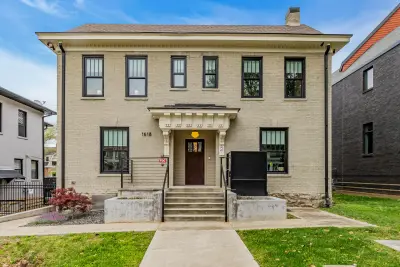
Explore Aftercare SupportLive Again Detox is located at 1618 17th Ave S, Nashville, TN 37212 on Historic Music Row. Our Nashville detox center serves adults from Davidson County and communities across Middle Tennessee.
We regularly help people seeking meth detox from Nashville, Brentwood, Franklin, Murfreesboro, Smyrna, Hendersonville, Gallatin, Lebanon, Clarksville, and surrounding Tennessee communities.
Medical withdrawal support for stimulant use, opioids, benzodiazepines, prescription drugs, and polysubstance use.
Learn MoreTreatment for substance use alongside depression, anxiety, trauma, bipolar disorder, and other mental health concerns.
Learn MoreStructured therapy and recovery support for people ready to continue care outside the residential setting.
Learn MoreStructured addiction treatment after detox with therapy, clinical support, and recovery planning.
Learn MoreThis page is educational and does not replace an individualized medical assessment. Methamphetamine withdrawal can involve significant psychiatric symptoms, and treatment recommendations should be made by qualified healthcare professionals.
If methamphetamine use has become difficult to stop, you do not have to determine the next step alone. Our admissions team can discuss current use, withdrawal symptoms, mental health concerns, insurance benefits, treatment availability, and whether medical detox may be appropriate.
If you are experiencing suicidal thoughts, psychosis, chest pain, loss of consciousness, or another medical emergency, call 911 or go to the nearest emergency department.
Methamphetamine can be highly addictive because it strongly affects dopamine and the brain’s reward system. Repeated use can lead to compulsive patterns, tolerance, cravings, sleep disruption, and difficulty feeling pleasure without the drug.
Symptoms may include extreme fatigue, depression, anxiety, irritability, sleep changes, increased appetite, difficulty concentrating, cravings, paranoia, and in some cases hallucinations or suicidal thoughts.
The most intense crash symptoms often occur during the first several days, but sleep disruption, mood changes, low energy, reduced motivation, and cravings may continue longer. The exact timeline varies by individual.
Meth withdrawal is not usually medically dangerous in the same way as severe alcohol or benzodiazepine withdrawal, but psychiatric symptoms can become serious. Severe depression, suicidal thoughts, paranoia, hallucinations, or agitation require prompt professional evaluation.
There is no FDA-approved medication specifically for methamphetamine withdrawal. Supportive medications may be used for sleep, anxiety, agitation, nausea, or other symptoms when clinically appropriate.
Some people may stop without inpatient detox, but severe depression, cravings, psychosis, polysubstance use, unstable housing, or repeated relapse may make structured treatment safer and more effective.
Many people benefit from continued treatment such as residential care, outpatient treatment, individual therapy, group counseling, dual diagnosis care, peer support, relapse-prevention planning, and aftercare.
Many commercial insurance plans include benefits for medically necessary substance use treatment. Coverage varies by plan, network, deductible, authorization requirements, and level of care. Live Again Detox can verify benefits confidentially before admission.
Live Again Detox is located at 1618 17th Ave S, Nashville, TN 37212 on Historic Music Row and serves Nashville and surrounding Middle Tennessee communities.


Get Family Support Now
We understand addiction affects the whole family. Our comprehensive family program helps rebuild trust and restore relationships.
Weekly Family Therapy Sessions
Educational Workshops
Support Groups
Communication Skills Training


Hear directly from those who have walked the path to recovery at Live Again Detox.. Our patients’ stories highlight the compassionate care, effective programs, and life-changing support they’ve experienced. Let their journeys inspire you as you take your first steps toward healing.