State-of-the-Art Facility
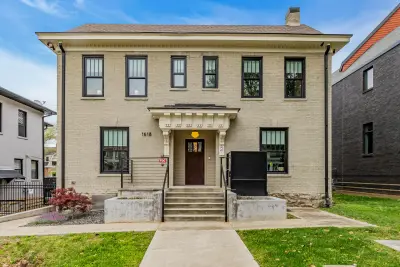
Clients receive care in a high-end boutique setting with thoughtfully designed rooms, wellness amenities, chef-crafted meals, discreet support, and an atmosphere designed for recovery.

Benzodiazepine addiction can feel like an impossible battle, but you do not have to face it alone. Dependence can develop gradually, even when medications are originally prescribed for anxiety, insomnia, seizures, or muscle spasms.
At Live Again Detox, our Nashville team combines medical expertise with compassionate, individualized care that addresses withdrawal risk, psychological dependence, co-occurring mental health concerns, and long-term recovery.
Benzodiazepines, often called benzos, are prescription medications that enhance the effects of GABA, a neurotransmitter that slows activity in the central nervous system. This calming effect can help treat anxiety, panic, insomnia, seizures, and muscle spasms.
Alprazolam is commonly prescribed for anxiety and panic disorders. Its short-acting effects can contribute to rapid tolerance and withdrawal.
Diazepam and clonazepam may be used for anxiety, seizures, panic symptoms, or muscle spasms and can still produce dependence with ongoing use.
Lorazepam and temazepam may be prescribed for anxiety or insomnia. Regular use can lead to tolerance, physical dependence, and psychological reliance.
Although benzodiazepines can be effective when used as directed for a limited period, the brain may adapt to their presence. Higher doses may then be needed to achieve the same effect, and stopping or reducing the medication can trigger severe withdrawal.
Risk can be higher with a history of substance use or addiction, anxiety, depression, trauma, other mental health concerns, long-term prescription use, or genetic vulnerability to addiction.
Risk may increase when someone takes larger doses than prescribed, uses benzodiazepines without a prescription, combines them with alcohol or opioids, or uses medication to avoid withdrawal or emotional distress.
Benzodiazepine addiction may be difficult to recognize because use often begins with a legitimate prescription. Professional treatment may be needed when use becomes difficult to control, withdrawal develops, or benzos begin interfering with daily life.
Doctor shopping, unsuccessful attempts to stop, taking more than prescribed, neglecting responsibilities, withdrawing from activities, or continuing use despite consequences.
Drowsiness, slurred speech, poor coordination, dizziness, blurred vision, memory problems, difficulty concentrating, and sleep disruption.
Rebound anxiety, panic attacks, irritability, depression, confusion, paranoia, emotional dependence, or feeling unable to function without medication.
Benzodiazepine withdrawal can be severe and potentially life-threatening. Abrupt discontinuation can lead to seizures, severe confusion, psychosis, cardiovascular instability, and intense psychological distress. A medically directed taper is often necessary.
Anyone who has been using benzodiazepines regularly should seek medical guidance before reducing or stopping them. If seizures, hallucinations, severe confusion, suicidal thoughts, or other dangerous symptoms occur, call 911 immediately.
Our medically supervised detox program provides a structured setting for benzodiazepine withdrawal management. The medical team evaluates the medication used, dose, duration, co-occurring substance use, health history, and prior withdrawal experiences.
An appropriate taper may reduce the dose gradually or transition the client to a longer-acting medication before further reductions. The plan is adjusted according to symptoms, safety, and clinical response.
Explore Benzo DetoxStaff monitor vital signs, hydration, nutrition, sleep, withdrawal symptoms, mental status, seizure risk, and other complications throughout stabilization.
Residential care provides a structured daily schedule, medical and clinical support, peer connection, family therapy, life-skills education, and aftercare planning. It may be appropriate for severe dependence, high withdrawal risk, co-occurring disorders, or an unstable recovery environment.
Explore Residential TreatmentOutpatient care allows medically stable clients to live at home while attending scheduled therapy, medication management, recovery education, and relapse-prevention services. The right level of care depends on clinical assessment and available support.
Explore Outpatient TreatmentCBT helps clients identify thought patterns, beliefs, and behaviors connected to benzodiazepine use and develop healthier strategies for managing anxiety and stress.
Explore CBTDBT combines cognitive techniques with mindfulness, emotional regulation, distress tolerance, and interpersonal skills.
Motivational approaches strengthen readiness for change and help clients develop personal reasons and practical goals for recovery.
Family therapy provides education, repairs communication, strengthens boundaries, and helps create a safer and more supportive home environment.
Explore Family TherapyIntegrated care addresses addiction alongside anxiety, depression, PTSD, bipolar disorder, insomnia, and other co-occurring mental health concerns.
Mindfulness, meditation, yoga, fitness, nutrition, creative therapies, stress-management skills, and 12-step principles may complement clinical treatment.
Admissions begins with an initial conversation, insurance verification, and a detailed assessment of medical history, benzo use, mental health, and treatment needs.
Clients complete admission paperwork, tour the facility, meet the care team, and learn what to expect during treatment.
Medical and psychiatric evaluations help identify withdrawal risks, physical health needs, and co-occurring mental health conditions.
The treatment plan evolves as the client stabilizes and progresses through detox, residential care, therapy, and discharge planning.
Our boutique, home-like setting combines evidence-based clinical care with comfort, privacy, and supportive amenities. A calmer environment can help clients focus on the difficult work of withdrawal stabilization and recovery.
Comfortable accommodations and a smaller treatment environment can reduce stress and support confidentiality.
Nutrition, movement, restorative activities, and holistic services support physical and emotional well-being.
Medical support, therapy, psychiatric services, family involvement, and aftercare planning remain the foundation of treatment.
Clients receive care in a high-end boutique setting with thoughtfully designed rooms, wellness amenities, chef-crafted meals, discreet support, and an atmosphere designed for recovery.

Comfortable bedrooms feature full-sized Tempur-Pedic mattresses and in-room televisions to support rest and stabilization.

A dedicated chef prepares three nutritious meals daily to nourish the body and complement treatment.

Our team includes master-level clinicians, medical and nursing support, individual therapy, and regular medical consultation.

Groups are limited to twelve clients to support individualized attention, meaningful peer relationships, and personalized care.
Aftercare planning includes step-down care, medication management when needed, therapy, support groups, alumni services, and community resources.
Explore AftercareAddiction affects the entire family. Our family program helps rebuild trust, restore relationships, improve communication, and prepare loved ones to support recovery in healthier ways.
Structured sessions create space for honest communication, healing, accountability, and healthier boundaries.
Explore Family TherapyFamilies learn about benzodiazepine dependence, withdrawal, anxiety, relapse risk, and long-term recovery.
Loved ones practice supportive communication and learn how to help without enabling unsafe medication use.
Connect with a compassionate admissions coordinator who understands benzodiazepine dependence and withdrawal concerns.
We review medication use, dosage, withdrawal history, medical needs, mental health symptoms, and treatment goals.
Our team checks benefits and explains coverage, authorization requirements, and possible out-of-pocket costs.
Verify Your BenefitsIf treatment is appropriate, we help arrange arrival and explain what to bring and what to expect.
This page is educational and does not replace individualized medical advice, diagnosis, or treatment. Benzodiazepine withdrawal can be life-threatening, and tapering, medication decisions, and level-of-care recommendations should be made by qualified healthcare professionals.
Never reduce or discontinue benzodiazepines without appropriate medical guidance. If seizures, hallucinations, severe confusion, suicidal thoughts, loss of consciousness, trouble breathing, or another emergency occurs, call 911 immediately.
Whether dependence has developed over months or years, confidential help is available. Contact Live Again Detox to discuss medically supervised withdrawal and benzodiazepine rehab options near Nashville.
Benzodiazepines are prescription central nervous system depressants used for anxiety, insomnia, seizures, and muscle spasms. Regular use can lead to tolerance, physical dependence, and psychological reliance. Some people begin taking larger or more frequent doses because the original dose no longer feels effective or because they fear withdrawal.
Warning signs include taking more than prescribed, using without a prescription, being unable to reduce use, doctor shopping, neglecting responsibilities, withdrawal from activities, drowsiness, slurred speech, poor coordination, memory problems, rebound anxiety, and panic when the medication wears off.
Dependence means the body has adapted to the medication and may experience withdrawal when the dose is reduced. Addiction also involves cravings, loss of control, compulsive use, continued use despite harm, and prioritizing benzodiazepines over responsibilities or relationships.
Withdrawal may involve rebound anxiety, insomnia, tremors, muscle tension, sweating, palpitations, nausea, headaches, sensory sensitivity, irritability, and agitation. Severe withdrawal can include seizures, hallucinations, confusion, and suicidal thoughts.
The timeline depends on the medication, dose, duration of use, overall health, and whether a gradual taper is required. Acute symptoms may last one to two weeks, but safe tapering and lingering symptoms may continue for weeks or months.
Medical supervision helps reduce seizure risk and other dangerous complications. Clinicians can create a personalized taper, monitor vital signs and mental status, address symptoms, and adjust care as needed.
Treatment may include CBT, DBT, motivational therapy, individual counseling, group therapy, family therapy, dual-diagnosis care, 12-step support, trauma-informed treatment, and holistic services.
Many clients learn non-benzodiazepine strategies for managing anxiety and sleep concerns. Treatment may include therapy, psychiatric evaluation, mindfulness, sleep routines, stress-management techniques, exercise, and other medications when clinically appropriate.
Many commercial insurance plans provide coverage for detox and rehab, but benefits depend on the plan, network status, deductible, medical necessity, and authorization requirements. The admissions team can complete a confidential benefits verification.
Call 629-465-4224, use the confidential contact form, or complete the online insurance verification. Admissions can review withdrawal concerns, explain treatment options, verify benefits, and coordinate admission when appropriate.

Tennessee Department of Mental Health and Substance Abuse Services. (2024). Annual overdose report. https://www.tn.gov/behavioral-health/research/data–research–and-planning/data-resources-.html
Centers for Disease Control and Prevention. (2023). Opioid overdose: Understanding the epidemic. https://www.cdc.gov/overdose-prevention/about/understanding-the-opioid-overdose-epidemic.html
Substance Abuse and Mental Health Services Administration. (2023). National survey on drug use and health: Tennessee data summary. https://www.samhsa.gov/data
National Institute on Drug Abuse. (2023). Common comorbidities with substance use disorders. https://nida.nih.gov/research-topics/trends-statistics/infographics/comorbidity-substance-use-other-mental-disorders
U.S. Department of Health & Human Services. (2023). Mental Health Parity and Addiction Equity Act (MHPAEA). https://www.hhs.gov/programs/topic-sites/mental-health-parity/index.html
U.S. Department of Health & Human Services. (2023). 988 Suicide & Crisis Lifeline. https://988lifeline.org/
Hear directly from those who have walked the path to recovery at Live Again Detox. Our patients’ stories highlight the compassionate care, effective programs, and life-changing support they’ve experienced. Let their journeys inspire you as you take your first steps toward healing.