State-of-the-Art Facility
Clients receive care in a boutique Nashville setting with thoughtfully designed spaces, wellness amenities, chef-prepared meals, discreet support, and an environment built around recovery.

Opiate and opioid addiction can develop after prescription painkiller use, heroin use, fentanyl exposure, or repeated use of other opioid drugs. As dependence progresses, people may experience tolerance, withdrawal, cravings, repeated relapse, and difficulty stopping even when opioid use is affecting their health, relationships, work, or safety.
Live Again Detox provides opioid addiction treatment in Nashville with medically supervised detox, residential treatment, therapy, dual-diagnosis care, medication support when clinically appropriate, family services, and continuing-care planning. Treatment is individualized around withdrawal risk, substance use history, medical needs, mental health symptoms, previous treatment, and long-term recovery goals.
The terms opiate and opioid are often used interchangeably in everyday conversation. Technically, opiates traditionally refer to substances derived from the opium poppy, while opioid is the broader medical term that includes natural, semi-synthetic, and synthetic drugs that act on opioid receptors.
Someone searching for “opiate rehab” may therefore be seeking treatment for heroin, morphine, oxycodone, hydrocodone, fentanyl, prescription painkillers, or another opioid. Clinically, addiction involving these substances is generally evaluated and treated as opioid use disorder.
Physical dependence and addiction are not identical. A person can develop physical dependence while taking prescribed medication as directed. Opioid use disorder involves a broader pattern that may include impaired control, persistent cravings, unsuccessful efforts to stop, continued use despite harm, or substantial disruption in daily life.
Opioid-related treatment needs can vary substantially depending on the drug involved, frequency and amount of use, duration of dependence, route of administration, other substances being used, previous withdrawal experiences, and co-occurring medical or mental health concerns.
Heroin dependence can produce significant withdrawal symptoms, cravings, tolerance, and a high risk of returning to use without continued treatment and recovery support.
Explore Heroin DetoxFentanyl is an extremely potent synthetic opioid. Illicit fentanyl may also appear unexpectedly in other drugs, increasing overdose risk and complicating patterns of opioid dependence.
Explore Fentanyl DetoxPrescription opioids such as oxycodone, hydrocodone, morphine, and similar pain medications can cause physical dependence and may contribute to opioid use disorder when patterns of use become problematic.
Oxycodone is found in several prescription pain medications. Repeated use can lead to tolerance, withdrawal, cravings, and difficulty reducing or discontinuing use.
Hydrocodone is another commonly prescribed opioid pain medication that can result in physical dependence and opioid use disorder in some individuals.
Some people use opioids alongside alcohol, benzodiazepines, stimulants, or other substances. Polysubstance use can substantially affect withdrawal risk, overdose risk, and treatment planning.
There is no single point at which someone “qualifies” as needing help. Treatment should be considered when opioid use is becoming difficult to control, causing withdrawal, increasing medical risk, or interfering with important areas of life.

Needing larger amounts or taking opioids more frequently to achieve the same effect can signal increasing tolerance and may raise overdose risk.
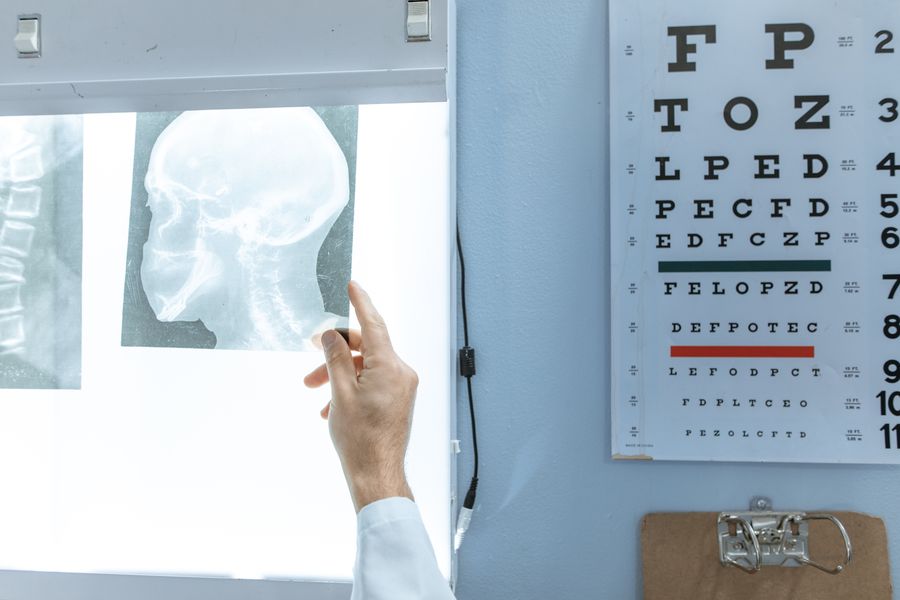
Body aches, sweating, nausea, diarrhea, anxiety, insomnia, restlessness, runny nose, watery eyes, and strong cravings may occur when opioid use is reduced or stopped.
Explore Opioid Detox
Repeated unsuccessful attempts to stop, persistent cravings, or continued opioid use despite physical, emotional, family, work, financial, or legal consequences can be important warning signs.
When opioid use shifts from seeking an effect to simply preventing withdrawal symptoms, physical dependence may be well established.
Repeated relapse after attempts to stop can indicate that more structured treatment, medication support, or continuing care may be needed.
A previous overdose, fentanyl exposure, combining opioids with sedating substances, or using alone can indicate an urgent need for professional assessment and harm-reduction planning.
Effective opioid addiction treatment is more than getting through withdrawal. Care should address physical dependence, cravings, mental health, behavioral patterns, relapse risk, relationships, living environment, and the transition back into everyday life.
Review opioid use, withdrawal history, medical needs, mental health, previous treatment, and recovery environment.
Manage withdrawal symptoms and immediate medical concerns when detox is clinically appropriate.
Address addiction through therapy, medication support when appropriate, education, and structured recovery work.
Transition to the appropriate residential, PHP, IOP, outpatient, or community level of support.
Build relapse-prevention, medication follow-up, therapy, peer support, and long-term recovery plans.
For people who have developed physical opioid dependence, medically supervised detox may be the first stage of treatment. Clinical staff can monitor withdrawal symptoms, vital signs, hydration, sleep, comfort, mental health, and other medical concerns while the body adjusts to reduced or discontinued opioid use.
Opioid withdrawal is often extremely uncomfortable even when it is not usually associated with the same seizure risk seen with severe alcohol or benzodiazepine withdrawal. The greatest concerns may include dehydration, intense cravings, rapid return to opioid use, reduced tolerance after abstinence, and overdose.
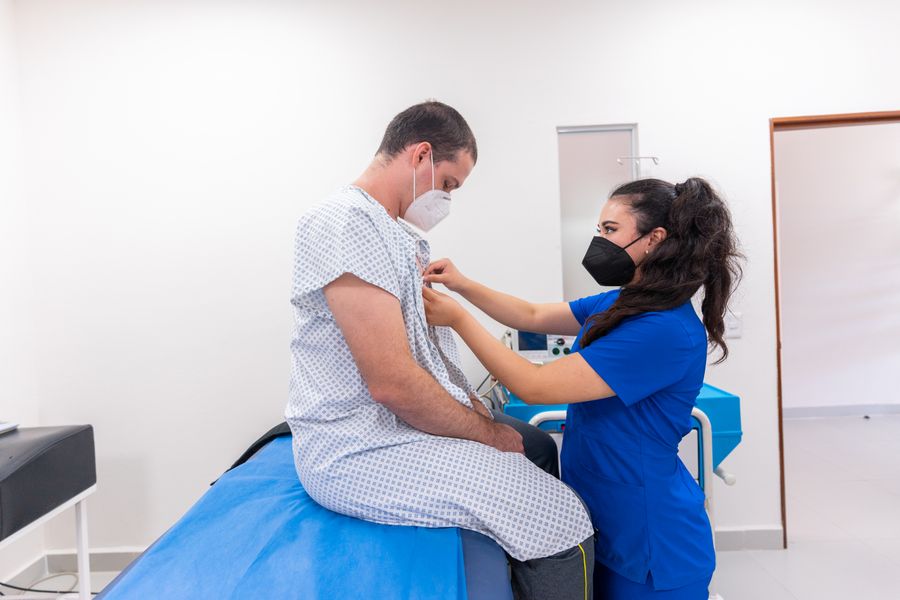
Symptoms may include muscle and joint aches, anxiety, agitation, sweating, chills, abdominal cramping, nausea, vomiting, diarrhea, insomnia, runny nose, watery eyes, restlessness, and intense cravings.
Explore Opioid Detox in Nashville
Medication may be used when clinically appropriate to manage withdrawal symptoms, reduce cravings, or support ongoing opioid use disorder treatment. The appropriate medication depends on individual clinical needs, medical history, treatment goals, and the level of care.
If someone is unresponsive, cannot be awakened, is breathing very slowly, has stopped breathing, or may have overdosed, call 911 immediately. Administer naloxone when available and follow emergency instructions.
Medication can be an important component of treatment for some people with opioid use disorder. According to SAMHSA, the FDA-approved medications used to treat opioid use disorder include buprenorphine, methadone, and naltrexone.
The right approach is individualized. A medication may be initiated, continued, adjusted, or coordinated with an appropriate outside provider depending on clinical needs, the treatment setting, prescribing requirements, and the person’s recovery plan.
Buprenorphine is a partial opioid agonist used in opioid use disorder treatment. It can reduce withdrawal symptoms and cravings and may be incorporated into treatment when clinically appropriate.
Methadone is a full opioid agonist used for opioid use disorder treatment through appropriately authorized programs. When methadone is clinically indicated, treatment planning may include coordination with an appropriate opioid treatment provider.
Naltrexone is an opioid antagonist that blocks opioid receptor effects. Unlike opioid agonist medications, it generally requires a sufficient opioid-free period before initiation.
Not everyone with opioid use disorder needs residential treatment. Placement should be based on clinical assessment rather than the drug name alone. Residential care may be useful when a person needs more structure and support than can safely or effectively be provided in an outpatient setting.
A person who repeatedly returns to opioid use after outpatient care or attempts to stop independently may benefit from greater structure and separation from triggers.
Easy access to opioids, housing instability, significant family conflict, exposure to active substance use, or limited support can make early recovery more difficult.
Anxiety, depression, trauma, PTSD, bipolar disorder, mood instability, or other psychiatric concerns may require coordinated behavioral health treatment alongside addiction care.
Explore Dual-Diagnosis TreatmentSome clients benefit from a live-in setting where therapy, medical support, recovery education, peer connection, meals, sleep, and daily routines are integrated into one structured environment.
Explore Residential TreatmentRecovery often involves movement through more than one level of care. The appropriate sequence depends on withdrawal risk, medical stability, psychiatric needs, relapse history, living environment, and progress in treatment.

Residential care provides a structured live-in environment with clinical support, therapy, recovery education, peer connection, wellness services, and separation from outside triggers.
Explore Residential Treatment
PHP can provide intensive daytime treatment for medically stable clients who need substantial clinical structure but do not require a residential stay around the clock.

Outpatient treatment allows medically stable clients to participate in structured therapy and recovery services while living outside the facility and maintaining more daily responsibilities.
Explore Outpatient Treatment
Aftercare planning may include continued therapy, medication follow-up, support groups, alumni programming, sober living recommendations, community resources, and relapse-prevention planning.
Explore AftercareAfter stabilization, treatment shifts from managing withdrawal to understanding why opioid use continues and building practical tools for recovery. Each client’s treatment plan should reflect substance use history, mental health, trauma exposure, relationships, previous treatment, living environment, responsibilities, and recovery goals.
One-on-one counseling gives clients space to identify triggers, understand patterns of opioid use, address emotional concerns, strengthen motivation, and develop practical coping strategies.
Group treatment provides peer connection, accountability, education, feedback, communication practice, and opportunities to learn from others facing similar recovery challenges.
Family involvement can help rebuild trust, improve communication, establish healthier boundaries, address enabling patterns, and create a more supportive environment for recovery.
Explore Family TherapyIntegrated care can address opioid addiction alongside anxiety, depression, trauma, PTSD, bipolar disorder, mood symptoms, and other co-occurring behavioral health concerns.
Explore Dual-Diagnosis CareClients can identify high-risk situations, cravings, emotional triggers, relationship patterns, and environmental factors that may increase the likelihood of returning to opioid use.
Before discharge, treatment planning should establish the next clinical step and help connect clients with ongoing therapy, medication management when appropriate, community support, and recovery resources.
Explore Continuing CareSomeone who develops dependence after prescription opioid use may need professional evaluation, medically supervised withdrawal management, and continued behavioral treatment.
People using heroin, fentanyl, or other illicit opioids may face significant tolerance, withdrawal, cravings, unpredictable drug supply, and overdose risk.
Prolonged opioid use can create deeply established physical, behavioral, emotional, and environmental patterns that are difficult to change without structured support.
Someone who has repeatedly returned to opioid use may benefit from reassessing the level of care, medications, relapse triggers, home environment, and continuing-care plan.
When addiction occurs alongside depression, anxiety, trauma, PTSD, bipolar disorder, or other mental health concerns, coordinated treatment may address both conditions together.
Clients without a stable substance-free environment or strong recovery network may benefit from more structure during the early stages of treatment.
Live Again Detox is located at 1618 17th Ave S, Nashville, TN 37212. Our Nashville location provides access to addiction treatment for people living in Nashville, Davidson County, and communities across Middle Tennessee.
Clients may come from Nashville as well as nearby areas including Brentwood, Franklin, Murfreesboro, Smyrna, Hendersonville, Gallatin, Lebanon, and surrounding Tennessee communities.
Staying connected to treatment as clinical needs change can reduce gaps between detox, structured therapy, outpatient treatment, and long-term recovery support.
Live Again Detox combines medical stabilization, addiction treatment, behavioral health care, family involvement, and discharge planning so the next stage of recovery can be considered before the current level of care ends.
Explore Addiction Treatment Programs
Clients receive care in a boutique Nashville setting with thoughtfully designed spaces, wellness amenities, chef-prepared meals, discreet support, and an environment built around recovery.
Bedrooms include full-size Tempur-Pedic mattresses and in-room televisions to support rest and stabilization during residential treatment.

Fresh, balanced meals are prepared daily to support nutrition, physical wellness, and recovery during treatment.

Treatment includes medical oversight, nursing support, experienced behavioral health clinicians, individualized therapy, and ongoing treatment planning.
Smaller therapeutic groups can support individualized attention, meaningful participation, accountability, peer connection, and more personalized care.
Aftercare planning can include relapse prevention, continued treatment recommendations, medication follow-up, community resources, and recovery support after discharge.
Explore AftercareOpioid addiction can affect the entire family. Loved ones may struggle with fear of overdose, broken trust, uncertainty about boundaries, financial stress, communication problems, or repeated cycles of crisis and relapse. Family services can help everyone develop healthier ways of responding to addiction and recovery.
Structured sessions provide space for communication, accountability, education, relationship repair, and healthier family patterns.
Explore Family TherapyFamilies can learn about opioid dependence, withdrawal, overdose risk, relapse, treatment medications, continuing care, and the realities of long-term recovery.
Loved ones can learn healthier communication patterns and ways to offer support without unintentionally reinforcing harmful behaviors.
Starting treatment begins with a confidential conversation. Admissions can help determine whether medical detox, residential treatment, outpatient care, or another next step may be appropriate and can review insurance benefits before admission.
Speak with an admissions coordinator about current opioid use, withdrawal concerns, treatment history, and what is happening now.
The team reviews substance use, withdrawal history, medical concerns, mental health symptoms, previous treatment, medications, and recovery goals.
Admissions can check benefits and explain available coverage information, network considerations, authorization requirements, deductibles, and possible out-of-pocket costs.
Verify Your BenefitsIf treatment is appropriate, the admissions team can coordinate arrival, discuss what to bring, answer practical questions, and explain what to expect during the first stage of care.
You do not have to wait for opioid use to become more severe before asking for help. Contact Live Again Detox to discuss withdrawal concerns, opioid addiction treatment, residential care, insurance benefits, and the next appropriate step.
Opiate rehab is structured addiction treatment for people struggling with heroin, prescription painkillers, fentanyl, or other opioids. Treatment can include medical stabilization, therapy, medication support when clinically appropriate, mental health care, relapse prevention, family services, and continuing-care planning.
Opiate traditionally refers to naturally derived opium substances, while opioid is the broader term that includes natural, semi-synthetic, and synthetic drugs that act on opioid receptors. In everyday searches, people often use the terms interchangeably.
Some people may be medically stable enough to enter residential treatment without detox, while others need withdrawal management first. The appropriate starting point depends on current opioid use, physical dependence, withdrawal symptoms, medical history, other substances being used, and clinical assessment.
Live Again Detox provides treatment for opioid-related substance use concerns, including fentanyl. Depending on clinical needs, care may begin with medical detox and continue into residential treatment, therapy, medication support, dual-diagnosis care, and continuing treatment.
FDA-approved medications for opioid use disorder include buprenorphine, methadone, and naltrexone. Which medication is appropriate depends on individual clinical needs, treatment setting, medical history, recovery goals, and prescribing requirements.
There is no single appropriate treatment length for everyone. Some clients may spend several weeks in residential care and then continue through PHP, IOP, outpatient therapy, medication management, or other continuing-care services based on clinical need and progress.
After detox, treatment may continue through residential care, partial hospitalization, intensive outpatient treatment, standard outpatient care, medication management, therapy, family services, peer support, or another appropriate level of continuing care.
Many commercial insurance plans include benefits for substance use disorder treatment, but coverage varies according to the specific plan, network status, deductible, medical necessity criteria, authorization requirements, and level of care. Live Again Detox can verify benefits before admission.
Yes. Dual-diagnosis treatment can address opioid use disorder alongside conditions such as anxiety, depression, trauma, PTSD, bipolar disorder, and other behavioral health concerns when clinically appropriate.
Family therapy and education can help loved ones understand opioid addiction, rebuild trust, improve communication, establish healthier boundaries, respond to relapse risk, and support long-term recovery more effectively.
Live Again Detox is located at 1618 17th Ave S in Nashville, Tennessee, on Historic Music Row. The facility serves Nashville, Davidson County, and communities throughout Middle Tennessee.
Call 629-465-4224, use the confidential contact form, or submit the online insurance verification form. Admissions can review your current situation, answer questions, verify benefits, and help coordinate the appropriate next step when treatment is suitable.


1. What Are Opiates & Their Dangers
Opiates (heroin, fentanyl, oxycodone, hydrocodone, etc.) are highly addictive, altering brain chemistry and causing dependence. According to the National Institute on Drug Abuse (2023), opioids can quickly lead to tolerance and physical dependence.
National Institute on Drug Abuse. (2023). Opioids drug facts. National Institutes of Health. https://nida.nih.gov/research-topics/opioids
2. Signs & Symptoms of Opiate Addiction
Symptoms of opiate addiction include strong cravings, increased tolerance, painful withdrawal symptoms, physical health decline, and changes in behavior. The Mayo Clinic (2024) emphasizes that opioid use disorder often disrupts both mental and physical health.
Mayo Clinic. (2024). Opioid use disorder: Symptoms and causes. Mayo Foundation for Medical Education and Research. https://www.mayoclinic.org/diseases-conditions/prescription-drug-abuse/symptoms-causes/syc-20365109
3. Detox & Withdrawal
Withdrawal from opiates can be severe, often including anxiety, sweating, muscle pain, insomnia, and restlessness. SAMHSA (2024) stresses that medications and medical supervision are critical to safely manage detox. The APA’s DSM-5-TR (2022) further classifies opioid withdrawal as a clinical condition that requires structured care.
Substance Abuse and Mental Health Services Administration. (2024). Medications for opioid use disorder. U.S. Department of Health & Human Services. https://www.samhsa.gov/medications-substance-use-disorders/medications-counseling-related-conditions
American Psychiatric Association. (2022). Substance use disorders. In Diagnostic and statistical manual of mental disorders (5th ed., text rev.). Washington, DC: Author.
4. Treatment Approaches (MAT, Therapy, Dual Diagnosis)
Medication-assisted treatment (MAT) is proven effective, especially when paired with therapy. According to NIDA (2021), FDA-approved medications like methadone, buprenorphine, and naltrexone significantly improve recovery outcomes. The American Society of Addiction Medicine (2020) supports these approaches as best practice under the ASAM Criteria.
National Institute on Drug Abuse. (2021). Medications to treat opioid use disorder research report. National Institutes of Health. https://nida.nih.gov/research-topics/medications-opioid-use-disorder
American Society of Addiction Medicine. (2020). The ASAM criteria: Treatment criteria for addictive, substance-related, and co-occurring conditions (4th ed.). Rockville, MD: Author.
5. Recovery & Long-Term Outcomes
Recovery from opiate addiction is a long-term process that benefits from evidence-based treatment, community support, and relapse prevention strategies. NIDA (2020) highlights that comprehensive treatment is the key to long-term success, while the CDC (2024) underscores the importance of preventing relapse and overdose deaths.
National Institute on Drug Abuse. (2020). Principles of drug addiction treatment: A research-based guide (3rd ed.). National Institutes of Health. https://nida.nih.gov/publications/principles-drug-addiction-treatment-research-based-guide-third-edition
Centers for Disease Control and Prevention. (2024). Opioid overdose: Preventing opioid overdose deaths. U.S. Department of Health & Human Services. https://www.cdc.gov/overdose-prevention/prevention/index.html
Get Family Support Now
We understand addiction affects the whole family. Our comprehensive family program helps rebuild trust and restore relationships.
Weekly Family Therapy Sessions
Educational Workshops
Support Groups
Communication Skills Training


Hear directly from those who have walked the path to recovery at Live Again Detox. Our patients’ stories highlight the compassionate care, effective programs, and life-changing support they’ve experienced. Let their journeys inspire you as you take your first steps toward healing.